

A lifestyle blog is a curated digital publication covering beauty, health, relationships, dining, and sustainable living, written to reflect how real people actually live. The best ones do not just report trends. They explain the “why” behind them, offer structured routines, and build genuine trust with readers. Millennial and Gen Z readers are especially drawn to content that cites peer-reviewed sources like PubMed and NIH, because they cross-check claims and reward transparency. Stacyknows covers exactly this kind of content, blending entertainment with evidence to serve readers who want both inspiration and substance.
1. What makes a lifestyle blog work for Millennial and Gen Z readers?
The core appeal of a successful lifestyle blog is specificity. Readers want content that speaks directly to their situation, not broad advice that could apply to anyone. Millennial and Gen Z readers engage most with structured formats like 5-step morning routines, ADHD-friendly supplement guides, and weekly reset checklists. That preference for structure is not a trend. It reflects how younger readers process and apply information.
Credibility is the other non-negotiable. Readers in this demographic actively verify claims. Blogs that blend health advice with nutritional science in plain language earn long-term loyalty. Superficial content loses readers fast, and it rarely gets shared.

2. Beauty content that actually builds trust
Beauty is one of the highest-traffic categories in lifestyle blogging, and the bar for quality has risen sharply. Readers want more than product roundups. They want to understand why a skincare ingredient works, what it does at the cellular level, and whether the science backs it up.
The most effective beauty content connects products to outcomes. A post on vitamin C serums, for example, performs better when it explains collagen synthesis than when it simply lists top picks. Stacyknows covers this angle well, with content like beauty secrets worldwide that goes beyond surface-level advice.
Pro Tip: Link beauty routines to health outcomes. A post on scalp care that references circulation and follicle health will outperform a generic “best shampoos” list every time.
3. Health and nutrition content readers actually finish reading
Health content is the backbone of a healthy living blog. The most-read health posts in 2026 share one trait: they explain root causes, not just symptoms. Root-cause-focused content about gut health, hormone balance, and stress regulation earns long-term loyalty among Millennials and Gen Z.
Seven evidence-backed lifestyle factors, including intentional diet, physical activity, and sleep, significantly extend lifespan. That finding matters because it gives lifestyle bloggers a framework. Each factor becomes a content pillar with months of post ideas underneath it.
Physical activity of at least 30 minutes daily protects heart health and reduces bone loss. That single data point supports posts on walking routines, home workouts, and even standing desk habits, all without requiring a fitness-specific blog.
4. Relationship content that feels real, not scripted
Relationship content performs best when it is honest about difficulty. Posts on communication, conflict resolution, and intimacy get shared because they validate experiences readers rarely see discussed openly. Everyday stress quietly impacts intimacy in ways most people recognize but few talk about publicly.
The most effective relationship posts name specific dynamics. “How to reconnect after a hard week” outperforms “relationship tips” every time. Readers want to see their exact situation reflected back at them.
Authenticity is the deciding factor. Readers can tell when a post is written from lived experience versus assembled from generic advice. The blogs that build real communities are the ones where the writer sounds like a person, not a content machine.
5. Dining and food content as social storytelling
Dining content works best when it is framed as experience, not just recipe. Travel lifestyle content often overlaps here. A post about a neighborhood restaurant, a regional food tradition, or a dining ritual from another culture gives readers something to feel, not just something to cook.
Social dining norms are shifting. Readers want content that reflects how they actually eat: with friends, on budgets, with dietary restrictions, and with a genuine interest in where food comes from. Posts that address all of these layers perform better than single-angle food coverage.
The experiential angle also opens doors for local event content. A dining guide tied to a city neighborhood or a seasonal food market gives readers a reason to save and return to the post.
6. What makes lifestyle blog content stand out in 2026
The posts that rank and get shared in 2026 share a clear structure. They lead with a direct answer, explain the mechanism behind it, and close with something the reader can do today. Vague inspiration does not hold attention anymore.
Here is what the strongest lifestyle content includes:
- Structured routines: 5-step formats, weekly resets, and morning or evening sequences
- Science-backed claims: references to peer-reviewed research, not just expert opinion
- Transparent sourcing: affiliate disclosures and citation links that readers can verify
- Personal storytelling: the writer’s own experience woven into the advice
- Downloadable assets: checklists or PDF guides that increase reader retention significantly
Habit formation averages 66 days, which means 30-day challenge formats are a smart content strategy. They create a natural series, drive return visits, and give readers a realistic timeline to expect results.
Pro Tip: Offer a free downloadable checklist with any routine-based post. Readers who download an asset are far more likely to return to your blog within the week.
7. How to incorporate sustainable living into your content mix
Sustainable living is no longer a niche. It is a core value for a large share of Millennial and Gen Z readers, and they expect lifestyle blogs to reflect it. The good news is that sustainability content fits naturally into almost every category.
Here are four ways to weave it in authentically:
- Eco-friendly beauty: Cover refillable packaging, ingredient sourcing, and cruelty-free certifications. Readers want to know the full story behind a product.
- Conscious consumption: Write about buying less but better. Capsule wardrobes, secondhand shopping, and repair culture all perform well.
- Home habits: Practical sustainability tips for daily life like reducing food waste, switching to reusable products, and lowering energy use resonate because they are immediately actionable.
- Nutrition and sourcing: Content on seasonal eating, local farmers markets, and plant-forward meals connects sustainability to health, which doubles the appeal.
Sustainable content is shifting toward root-cause analysis, especially around gut health and hormone balance through nutrition. Readers want to understand why certain choices matter, not just be told what to do.
Pro Tip: Frame sustainability as a personal lifestyle choice, not a moral obligation. Readers respond to “here is what I switched and why” far better than “here is what you should do.”
8. Building community through relationship and wellness content
Community is what separates a blog from a publication. Readers who feel seen and understood come back. They share posts. They leave comments. They become the kind of loyal audience that sustains a blog long-term.
Engaging relationship and social wellness content builds reader loyalty and deeper emotional connection. That means addressing stress, loneliness, and the small daily frictions that affect how people relate to each other. Content on managing anxiety in the digital age fits naturally here, especially for younger readers navigating social media pressure.
The most community-building posts do three things well:
- They name a specific feeling or situation the reader recognizes
- They offer a concrete strategy, not just reassurance
- They invite the reader to respond, share, or reflect
Building small, specific daily habits tailored to personal mental and social wellness needs is more effective than sweeping lifestyle overhauls. That principle applies to content strategy too. Small, consistent posts on real topics build more community than occasional viral attempts.
9. Home decor and style as a wellness category
Home decor and style content has evolved beyond aesthetics. Readers now connect their living space directly to their mental health and daily energy. A post on decluttering is also a post on anxiety. A post on lighting is also a post on sleep quality.
Interior design choices shape home wellness in measurable ways, from color psychology to furniture arrangement and natural light access. That framing turns decor content into health content, which broadens its appeal significantly.
The lifestyle blog ideas that perform best in this category are specific and visual. “How I reorganized my kitchen to reduce decision fatigue” outperforms “kitchen organization tips” because it tells a story and promises a real outcome.
10. Travel lifestyle content that goes beyond destination guides
Travel content works when it is tied to how travel changes you, not just where you went. Millennial and Gen Z readers want posts that connect travel to personal growth, cultural understanding, or practical skills like maintaining work-life balance nomadically.
The strongest travel lifestyle content answers a specific question. “How I stayed healthy eating out every day for two weeks” or “what I learned about morning routines from living in three countries” both outperform generic destination roundups. They give readers something to apply, even if they never take the trip.
What I have learned writing lifestyle content for younger readers
Writing lifestyle content for Millennials and Gen Z has taught me one thing above all else: readers know when you are being real with them. The posts I have written that performed best were not the most polished. They were the most honest.
I used to think aspirational content was the goal. Readers want to see the beautiful version of a life, right? What I found is that aspiration without instruction falls flat. The posts that built the most trust were the ones where I said, “Here is what I tried, here is what the research says, and here is what actually worked for me.” That combination of personal experience and evidence is hard to fake, and readers can tell the difference immediately.
The other shift I made was committing to depth over volume. One well-researched post on childhood habits and long-term health will outperform five thin posts every time. Younger readers are not looking for more content. They are looking for content worth their time. If you give them that, they will come back.
— Stacy
Stacyknows: curated lifestyle content worth bookmarking
Stacyknows covers the full range of lifestyle topics that Millennial and Gen Z readers actually care about, from beauty and wellness to relationships, dining, and sustainable living. Every article is written to give you something real: a routine you can try, a fact you can verify, or a perspective that shifts how you see something familiar.
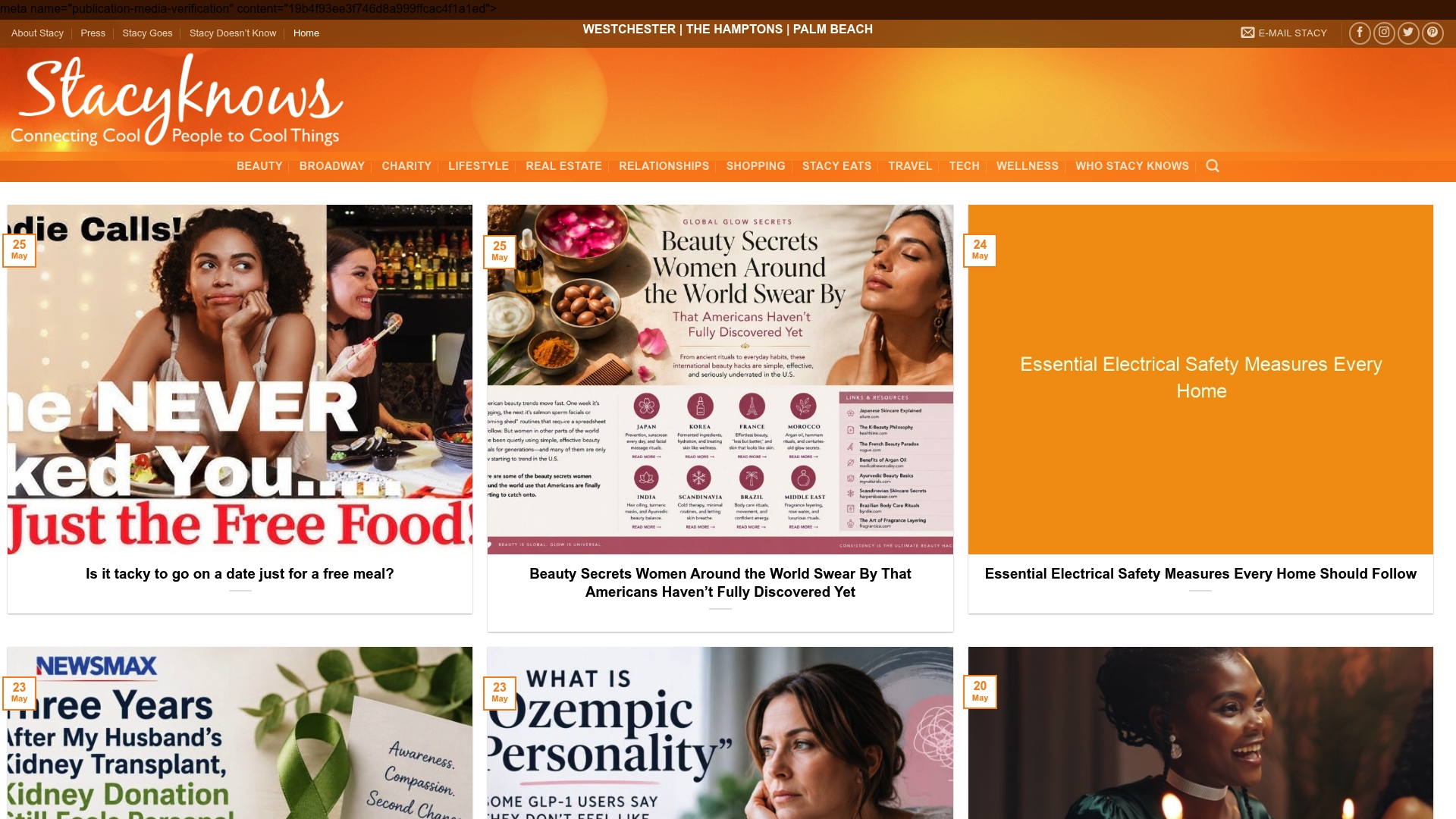
If beauty is your starting point, the Stacyknows beauty finds page is a curated collection of tips and product insights that go well beyond the obvious. For wellness readers, posts on sustainable weight loss strategies and daily health habits offer the kind of evidence-backed depth that makes content worth saving. Stacyknows is the place to start when you want lifestyle content that respects your intelligence and your time.
FAQ
What topics does a lifestyle blog typically cover?
A lifestyle blog covers beauty, health, relationships, dining, home decor, travel, and sustainable living. The best ones connect these topics to each other and to the reader’s daily experience.
Can a lifestyle blog be profitable?
Yes. Lifestyle blogs generate income through affiliate marketing, sponsored content, digital products, and advertising. Blogs that offer downloadable assets and build loyal communities tend to have the strongest long-term revenue.
How often should a lifestyle blog publish new content?
Consistency matters more than frequency. Publishing one well-researched post per week builds more trust and search visibility than daily thin content. Habit formation research supports the idea that consistent output over time drives better results than bursts of activity.
What makes lifestyle blog content credible to Gen Z readers?
Gen Z readers trust content that cites peer-reviewed sources, discloses affiliations transparently, and explains the reasoning behind claims. Superficial advice without evidence loses this audience quickly.
How is a lifestyle blog different from a niche blog?
A lifestyle blog covers multiple interconnected topics tied to how a person lives, while a niche blog focuses on one specific subject. Lifestyle blogs attract broader audiences but require more content variety and editorial consistency to maintain reader trust.
Recommended
- Americans Reveal Their Top New Year’s Resolutions for 2026 — And What’s Really Holding Them Back – Stacyknows
- The Reality of Being an Influencer in 2026 (No One Tells You This) – Stacyknows
- New Poll: Here Are the 5 Top New Year’s Resolutions for 2026 – Stacyknows
- Table for One: Why Gen Z Is Choosing “Solo-Maxxing” Over $200 Dates – Stacyknows
