
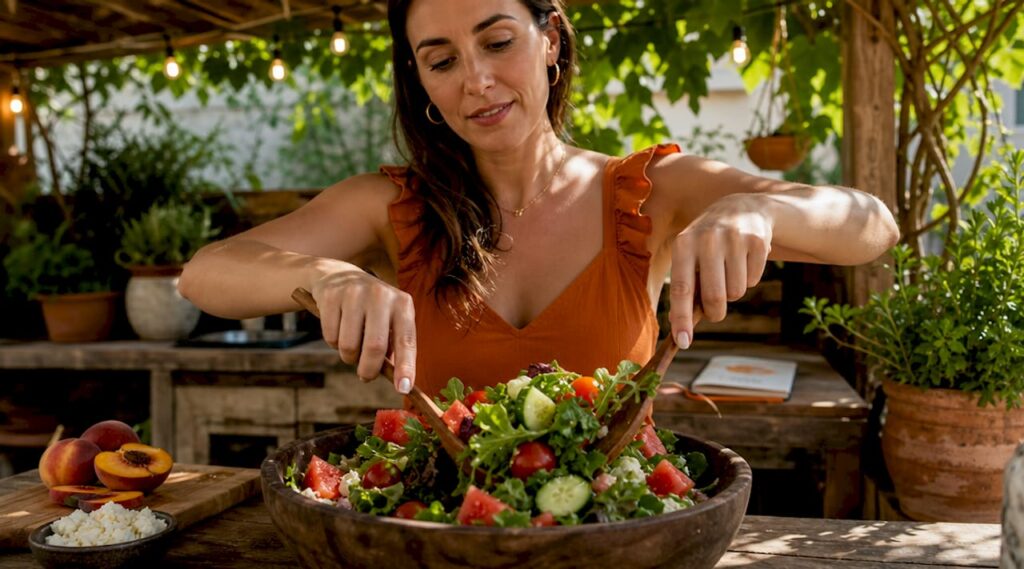
Summer salads are the most versatile, nutrient-packed meals you can build when the heat arrives and your appetite shifts toward something lighter. The best versions go far beyond a handful of greens. Think Martha Stewart’s blanched vegetable medleys, Serious Eats’ deeply seasoned Greek pasta salad, and Bon Appétit’s fattoush with its signature crunch. What separates a forgettable bowl from a genuinely great one comes down to three things: seasonal ingredients at their peak, smart preparation timing, and a real understanding of texture contrast. This article covers all three, with ten recipes to get you started.
1. Greek pasta salad
Greek pasta salad is the gold standard of make-ahead summer dishes. The secret is technique: dress pasta warm with half the vinaigrette for 15 minutes before adding remaining ingredients, then refrigerate for 30 minutes. The warm starch absorbs the dressing deeply rather than just coating the surface. Add kalamata olives, cherry tomatoes, cucumber, red onion, and crumbled feta for a salad that holds up beautifully for two days.
2. Chopped vegetable salad
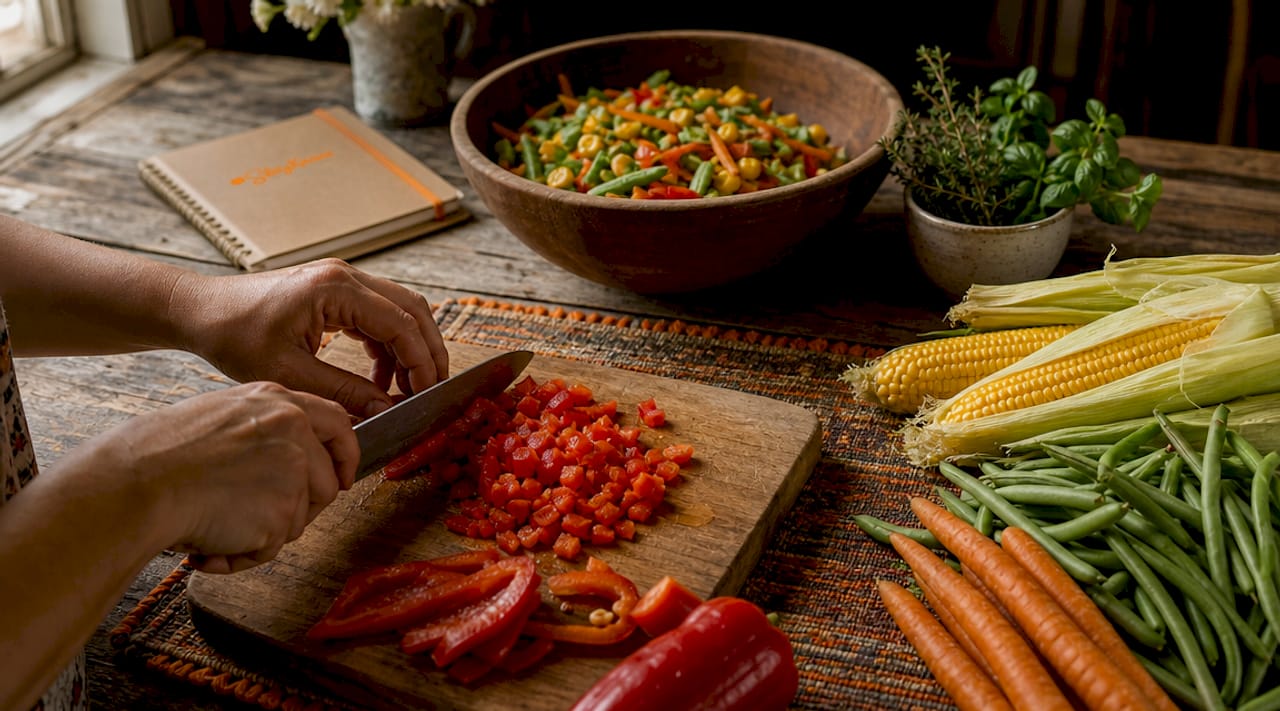
Martha Stewart’s approach to a chopped vegetable salad is a masterclass in prep. Blanch corn for 5 minutes and wax beans, then plunge them into an ice bath before assembly. This locks in color, softens the raw edge, and creates a satisfying bite. Uniform chopping matters here too. When every ingredient is roughly the same size, you get a balanced forkful every time.
3. Fattoush salad
Fattoush is a Levantine bread salad that teaches one of the most valuable lessons in summer cooking: protect your crunch. Bon Appétit’s recipe bakes torn pita at 350°F for 10 to 15 minutes, then adds it after the dressing goes on. That sequence keeps the chips crisp instead of soggy. Radishes, romaine, parsley, and a sumac-lemon dressing round out a salad with serious personality.
4. Creamy cucumber chickpea salad
This one is a weeknight lifesaver. The Kitchn’s recipe uses a blended avocado, sour cream, and cilantro dressing that comes together in under 15 minutes. Chickpeas add protein and staying power, making this a legitimate main course rather than a side. Cucumber keeps everything cool and hydrating, which is exactly what you want on a hot day.
Pro Tip: Drain and rinse canned chickpeas thoroughly, then pat them dry before tossing. Excess moisture dilutes the dressing and flattens the flavor.
5. Watermelon and arugula salad
Watermelon and arugula is one of those combinations that sounds odd until you try it. The sweetness of ripe watermelon plays directly against the peppery bite of arugula, and a crumble of salty feta ties the whole thing together. A light drizzle of good olive oil and a squeeze of lime is all the dressing this salad needs. It comes together in five minutes and looks stunning on a table.
6. Corn and black bean salad
Peak-season corn, straight from the cob, has a sweetness that no frozen substitute can replicate. Combine it with black beans, diced red pepper, red onion, and a cumin-lime vinaigrette for a salad that doubles as a dip with tortilla chips. This is a crowd-pleasing option for outdoor gatherings because it holds well at room temperature for short periods and gets better as the flavors meld. Add fresh cilantro just before serving.
7. Peach and burrata salad
Stone fruit season and summer salad season overlap perfectly, and peaches with burrata is the most rewarding result of that overlap. Slice ripe peaches over a bed of fresh basil leaves, tear burrata over the top, and finish with a balsamic glaze and flaky sea salt. The contrast between the creamy cheese, juicy fruit, and herbal basil is genuinely memorable. This salad works as a starter or a light lunch on its own.
8. Shaved zucchini salad
Raw zucchini, shaved thin with a vegetable peeler or mandoline, has a delicate texture that most people have never experienced. Toss the ribbons with lemon zest, Parmesan shavings, toasted pine nuts, and fresh mint. The lemon juice slightly “cooks” the zucchini as it sits, softening it just enough without losing the fresh quality. This is one of those easy salad ideas that impresses far beyond the effort involved.
9. Quinoa and roasted cherry tomato salad
Quinoa gives summer salads a protein-rich, grain-based foundation that keeps you full. Roasting cherry tomatoes concentrates their sweetness and adds a slight caramelized depth that raw tomatoes cannot match. Toss the warm quinoa with the roasted tomatoes, fresh basil, kalamata olives, and a red wine vinaigrette. Like the Greek pasta salad, dressing the quinoa while it is still warm allows the grain to absorb the flavors fully.
10. Mango and avocado salad
Mango and avocado together create a salad that feels tropical and satisfying without being heavy. Dice both into similar-sized pieces, add thinly sliced red onion, jalapeño, and fresh lime juice. A handful of arugula or mixed greens underneath turns this into a more complete meal. This is one of the freshest salad recipes you can make in under ten minutes, and it pairs well with grilled fish or shrimp for a full summer dinner.
How to prepare summer salads that stay crisp and flavorful
Preparation timing separates a great summer salad from a soggy disappointment. These techniques come directly from the test kitchens that have refined them over years.
- Dress pasta and grains warm. Flavor absorption in pasta happens most effectively when starch is dressed warm, then chilled. Surface-only coating is what you get when you dress cold pasta.
- Use an ice bath after blanching. Martha Stewart’s method of blanching and chilling vegetables stops the cooking process immediately and locks in both color and texture.
- Add crunchy elements last. Bon Appétit’s fattoush technique of adding baked pita after dressing applies to croutons, nuts, and seeds in any salad. Crunch is the first thing lost when ingredients sit too long in dressing.
- Separate wet and dry components until serving. Separating dressing and moisture-rich items until the moment of serving is a professional strategy that preserves both texture and flavor during warm weather.
- Let flavors meld, but set a timer. Most grain and pasta salads benefit from 30 minutes of refrigeration before serving. Beyond two hours, delicate herbs and greens begin to wilt.
Pro Tip: Pack dressings separately in small mason jars when bringing salads to a picnic or potluck. Toss on-site for the best possible texture.
What seasonal ingredients define summer salads
The best summer ingredients are the ones you did not have to coax into flavor. When produce is at its peak, less preparation is needed and the results taste more alive.
- Corn: Sweet corn cut fresh from the cob has a milky, tender quality that disappears within days of harvest. Use it raw in salsas or blanched in chopped salads.
- Tomatoes: Heirloom and cherry tomatoes from local farmers markets carry a depth of flavor that supermarket varieties rarely match. Salt them lightly before adding to draw out their juice.
- Cucumbers: Persian and English cucumbers have thinner skins and fewer seeds, making them the better choice for fresh salad recipes where texture matters.
- Peaches and nectarines: Stone fruits add natural sweetness and a juicy contrast to salty cheeses and bitter greens. Choose fruit that gives slightly under gentle pressure.
- Fresh herbs: Basil, mint, cilantro, and dill are not garnishes. They are full ingredients. A generous handful of torn basil changes the character of a salad entirely.
- Avocado: At peak ripeness, avocado adds creaminess without any cooking. It also provides healthy fats that help your body absorb fat-soluble vitamins from the greens around it.
Local sourcing makes a measurable difference here. A tomato picked that morning and a tomato shipped across the country are not the same ingredient. If you have access to a farmers market or a home salad garden, the flavor gap becomes obvious quickly.
How to keep summer salads safe at outdoor events
Food safety is the part of summer entertaining that most people underestimate until something goes wrong.
When outdoor air temperature exceeds 90°F, perishable foods should not sit out for longer than one hour. That is half the standard two-hour window. Salads with mayo-based dressings, eggs, or protein ingredients carry a higher risk and need closer attention to temperature. This is not alarmist. It is just the reality of summer heat and bacterial growth.
Here are the practical steps to protect your salads at outdoor gatherings:
- Keep cold salads in a cooler with reliable ice packs until the moment of serving.
- Monitor fridge temperature with a thermometer. Cold storage should stay at or below 40°F.
- Place a paper towel inside bagged salad greens after opening. Food microbiologist Randy W. Worobo recommends this to absorb condensation and extend shelf life. It works.
- Serve salads in smaller batches and replenish from a cooler rather than putting the full bowl out at once.
- For outdoor celebrations, check out Stacyknows’ guide on outdoor event safety for a broader set of tips beyond the kitchen.
The one-hour rule is the single most important thing to remember. Set a phone timer if you need to.
Key takeaways
The best summer salads combine peak-season produce, smart preparation timing, and proper food safety practices to deliver maximum flavor and freshness.
| Point | Details |
|---|---|
| Dress warm, not cold | Toss pasta and grains with vinaigrette while warm to absorb flavor deeply, not just coat the surface. |
| Protect the crunch | Add crispy elements like pita chips, croutons, and nuts after dressing, right before serving. |
| Use peak-season produce | Corn, tomatoes, stone fruits, and fresh herbs at their seasonal peak need minimal preparation to taste exceptional. |
| Follow the 1-hour rule | When temperatures exceed 90°F, remove perishable salads from outdoor settings within one hour. |
| Separate components for storage | Keep dressing, greens, and wet ingredients apart until serving to prevent sogginess and extend freshness. |
What I’ve learned from years of making summer salads
Here is my honest take: most people undersell their salads before they even start. They treat them as a side dish, an afterthought, something to fill the plate around the main event. That thinking produces forgettable food.
The salads I keep coming back to, the ones that genuinely satisfy, are built with the same intention as any other meal. I think about texture first. Is there something creamy? Something crunchy? Something with a little bite? If all three are present, the salad has a chance. If it is just soft ingredients in dressing, it will disappear from memory before the meal is over.
Dressing timing changed everything for me. I used to dress salads an hour ahead thinking it would help the flavors develop. For grain salads, that is correct. For anything with greens or crispy elements, it is a mistake. Now I dress greens at the very last moment and keep everything else prepped and separated until I am ready to serve.
The NC State Extension’s summer salad workshop frames this well with what they call “Layering Logic,” the idea that understanding the structural principles of a salad, flavor, dressing, and architecture, is a learnable skill. I agree completely. Once you internalize those principles, you stop following recipes so rigidly and start building salads that actually reflect what is fresh and available.
One more thing: do not skip the salt on your tomatoes. Salting them five minutes before adding them to a salad draws out their juice and concentrates the flavor. It is a small step that makes a noticeable difference.
— Stacy
Stacyknows has more to help you eat and feel your best
Eating well in summer goes beyond the bowl. At Stacyknows, the connection between what you eat and how you look and feel is a thread that runs through everything. If you are building a lifestyle around fresh, seasonal food, it makes sense to explore what that same mindset can do for your skin, energy, and overall wellness.
Check out Stacyknows Beauty Secret Finds for tips on foods and habits that support glowing skin from the inside out. And if you want to keep the seasonal inspiration going, the carrot salad trend piece is worth a read. Eating fresh is a lifestyle, and Stacyknows is here for all of it.
FAQ
What makes a summer salad different from other salads?
Summer salads are built around peak-season produce like corn, tomatoes, cucumbers, stone fruits, and fresh herbs that are only at their best during warm months. The emphasis is on light dressings, fresh textures, and ingredients that do not require heavy cooking.
How long can summer salads sit out at a picnic?
When outdoor temperatures exceed 90°F, perishable salads should not sit out for more than one hour. Keep them in a cooler with ice packs until serving and replenish in small batches.
What is the best way to keep a salad from getting soggy?
Separate dressing, wet ingredients, and crispy elements until the moment of serving. For grain and pasta salads, dress while warm and refrigerate, but add greens and crunchy toppings only at serving time.
Can summer salads work as a main course?
Yes. Salads built with chickpeas, quinoa, pasta, burrata, or grilled protein provide enough substance to serve as a full meal. The key is including a protein source and a healthy fat like avocado or olive oil.
What are the easiest summer salads to make ahead?
Greek pasta salad, corn and black bean salad, and creamy cucumber chickpea salad all hold well in the refrigerator for one to two days. Store dressings separately and add fresh herbs just before serving.
Recommended
- My Favorite Summer Fashion Finds Right Now (And Yes, I Bought Some of Them) – Stacyknows
- 10 Drink Options To Stay Cool This Summer
- Fun & Fresh Summer Home Decor Ideas and Trends
- The Carrot Salad Everyone’s Talking About—And Why You Might Want to Start Eating It Too – Stacyknows
