Treat restaurant dress codes as a formality you meet by dressing one notch above whatever the venue lists, from casual all the way up to black tie. When the policy is vague or missing, pack a blazer in the car. Some places, especially steakhouses and hotel dining rooms, enforce their rules at the door, so it pays to check before you go.
What Do Restaurant Dress Codes Actually Mean?
Every restaurant that bothers to post a dress code is really just trying to answer one question for you: how much effort should you put in? The categories sound fussy, but they map to real, recognizable looks once you know what to look for.
Casual means come as you are. Jeans, sneakers, a clean t-shirt. Think neighborhood taco spots or a Tuesday burger place.
Smart casual is the most misunderstood tier, and the one you will hit most often. It asks for intention: dark jeans or chinos, a collared shirt or nice sweater, leather shoes or clean sneakers. Wine bars and trendy brunch spots love this label.
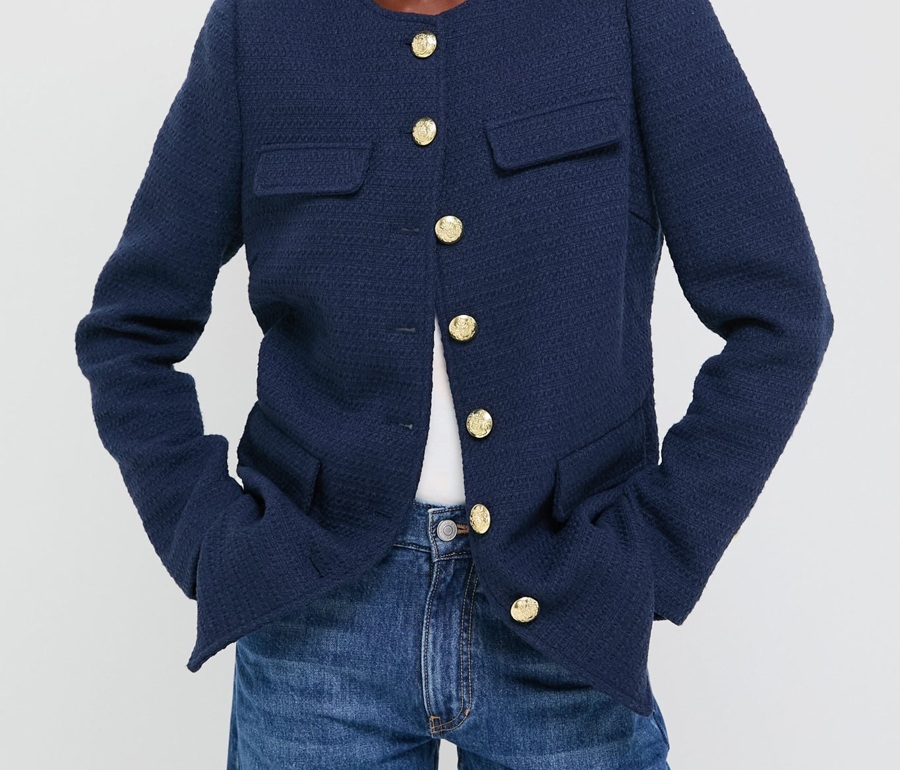
Business casual skews more professional than smart casual. Chinos or wool trousers, a button-down, maybe a blazer, but no tie required. Hotel restaurants and lunch spots near office districts tend to land here.
Dressy or cocktail attire shows up for date nights and celebration dinners. A cocktail dress, a sport coat with a dress shirt, heels or polished dress shoes.
Jacket required (formal) is exactly what it sounds like: men need a sport coat or suit jacket, no exceptions asked. Legacy steakhouses and old-school hotel dining rooms still hold this line.
Black tie is rare outside of galas and holiday events, but a handful of restaurants request it for New Year’s Eve or special prix fixe nights: tuxedos, floor-length or cocktail-length formal dresses.
The confusion usually starts because “smart casual” and “dressy casual” get used interchangeably, and “cocktail attire vs. semi-formal” trips people up constantly. Cocktail attire is generally shorter, flirtier, and less rigid than semi-formal, which leans closer to a jacket-required standard.

What to Wear for Every Restaurant Dress Code
Here is where theory becomes an outfit you can actually pull out of your closet tonight.
Casual: Dark jeans, a fitted t-shirt or henley, clean white sneakers. For women, this is where a sundress with sandals or well-fitted jeans and a nice top both work.
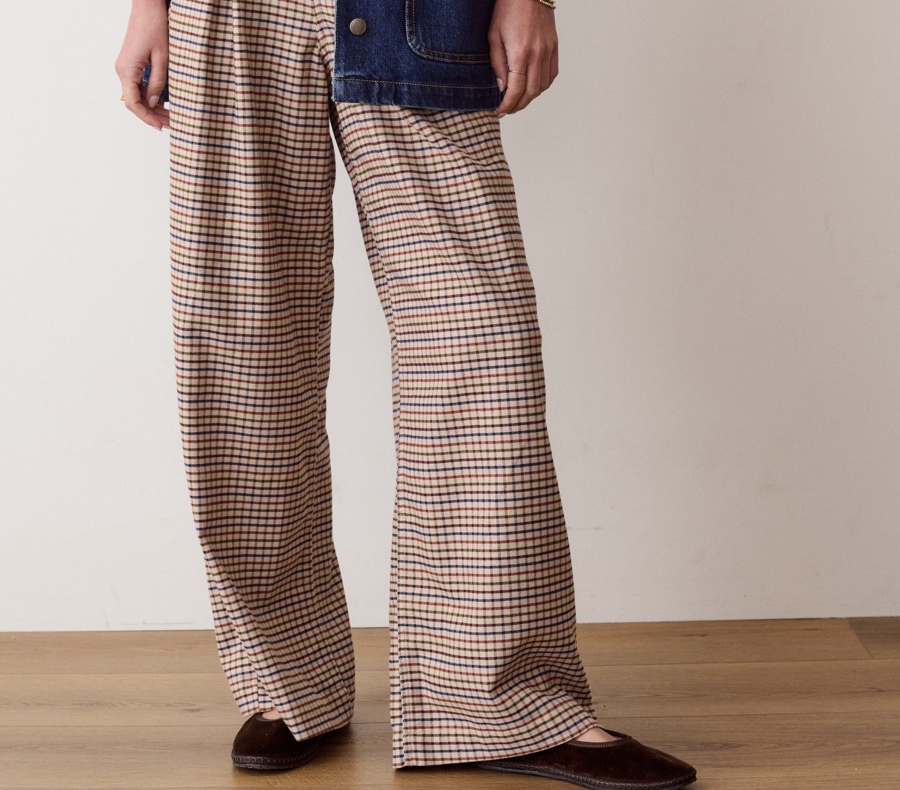
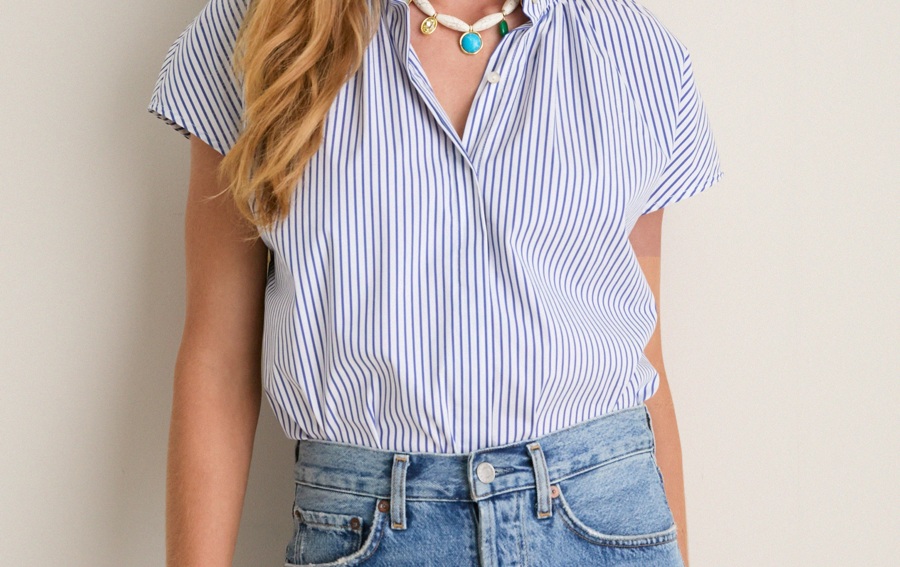
Smart casual for women usually means a knit top or blouse, tailored trousers or dark denim, and a low heel or leather flat. A midi dress with a denim jacket also nails it. For men, swap the t-shirt for a polo or button-down, and trade sneakers for a leather sneaker or loafer, no socks showing at the ankle.
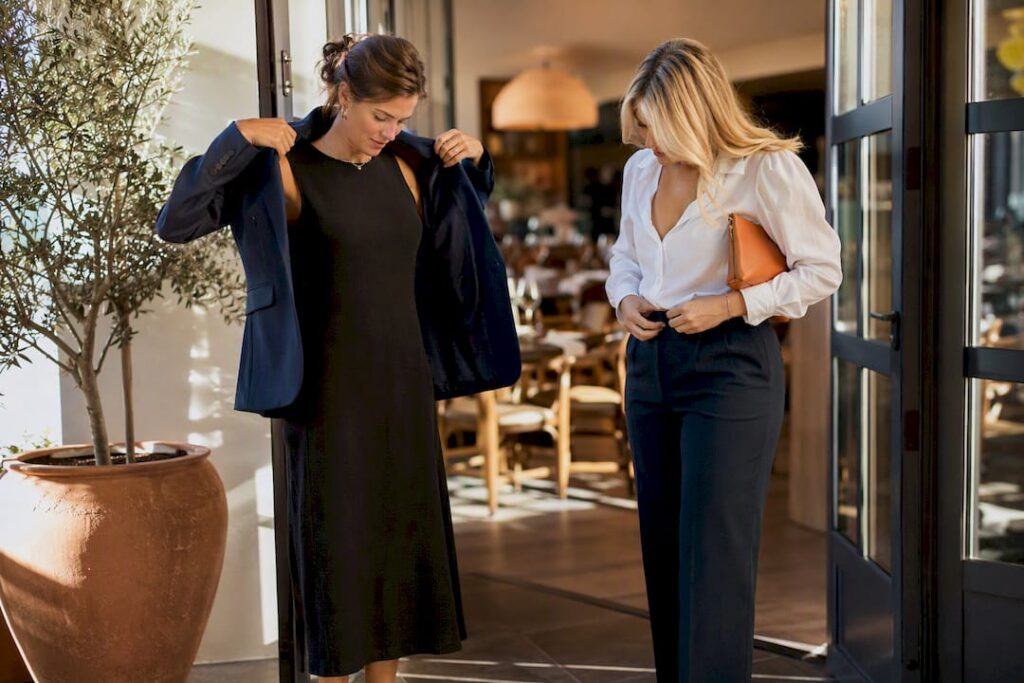
Business casual: Add structure. Women can wear a blazer over a silk camisole with tailored pants; men wear chinos or wool trousers with a tucked button-down and loafers.
Dressy/cocktail: This is your date-night uniform. A little black dress or jumpsuit with heels for women; a sport coat, dress shirt, and dark trousers for men. No tie needed unless the restaurant says so.
Jacket required: Men need a real sport coat, not a cardigan. A dress shirt underneath, dark trousers, leather shoes. Women should match that formality with a sheath dress or dressy separates.
Dark, well-fitted jeans have become acceptable at most upscale restaurants as long as the rest of the outfit is elevated with a blazer and leather shoes, according to dining etiquette guides. That is the modern swap that saves most people from overdressing.
For gender-neutral dressing, the safest formula skips gendered pieces entirely: a well-cut blazer, tailored trousers, a crisp button-down, and leather loafers or oxfords work regardless of how you identify, and they read as put-together in every category from smart casual up through jacket required.
Pro Tip: Keep one navy blazer, a light-blue shirt, and gray trousers in rotation. That combination works for nearly any uncertain dress-code situation, and it travels well if you’re heading straight from work to dinner.
If you want more outfit formulas broken down by occasion, Stacyknows has a full smart casual dress code guide worth bookmarking before your next reservation.
Which Restaurant Dress Codes Are Actually Enforced?
Most posted dress codes are suggestions dressed up as rules. Only two phrases tend to get enforced consistently across American restaurants: “jacket required” and “jacket and tie,” according to dress-code enforcement patterns documented across the industry. Everything softer, like “smart casual requested,” usually leaves room for a maître d’s judgment call.
That said, several items get turned away almost everywhere that has any policy at all:
- Athletic wear, including gym shorts and workout tanks
- Flip-flops and pool sandals
- Exposed undergarments or sports bras
- Excessively ripped clothing
- Offensive graphics or language on shirts
- Hats at fine-dining tables (though many venues make religious and cultural exceptions)
Mastro’s Restaurants states plainly that management can refuse service for beachwear, gym attire, tank tops, hats, or overly revealing clothing, and that policy holds across its locations, per its official dress-code FAQ. Eddie V’s takes a similar stance, requiring men’s shirts to have sleeves and banning athletic shorts and exposed sports-bras under its business casual or resort evening wear standard.
Many restaurants also keep a small stock of loaner jackets for guests who show up unprepared, a practice common at resort-style dining rooms as well as urban steakhouses. If you get pulled aside, it is rarely a punishment. It is a fix.
How Do You Check a Restaurant’s Dress Code Before You Go?
A quick pre-visit check takes less time than parallel parking and prevents nearly every awkward door moment. Run through these steps in order:
- Check the restaurant’s own website under an FAQ, “Dress Code,” or Reservations tab.
- Look up the listing on OpenTable or Resy, where dress expectations sometimes appear in the description.
- Scroll Instagram for recent guest photos tagged at the restaurant.
- Skim recent reviews on Google or Yelp for mentions of being turned away or complimented for dressing up.
- Call the host stand directly if you still are not sure.
When you call, ask specifically: “Is there a dress code, and is it enforced?” Follow up by asking about loaner jackets, kids’ policies, and whether hats are allowed. Explicit language like “jacket required” means firm. Softer phrasing like “smart casual requested” or “resort casual encouraged” means flexible, and the venue is signaling a preference rather than a rule, per step-by-step guidance on decoding restaurant policies. If you are checking a policy while traveling, understanding how reservation platforms display these details can save you a phone call altogether.
How to Upgrade Your Outfit in Five Minutes
You do not need a new wardrobe to move up a dress-code tier. You need a few smart swaps and a small kit stashed somewhere convenient.
Fast swaps that work:
- Blazer over a plain tee instantly reads as smart casual.
- Clean leather sneakers instead of trainers upgrade any casual look.
- Tuck your shirt and add a belt to sharpen up business casual.
- Swap flats for loafers or low heels to hit dressy/cocktail territory.
The dinner emergency kit lives in a tote or your trunk: a foldable blazer, a compact pair of suede loafers or flats, a stain-removal stick, and a small lint roller. Five items, zero excuses for arriving underdressed.
Grooming matters as much as fabric. A light application of cologne or perfume goes further than a heavy one in a dining room, and breath mints solve the problem cologne cannot. Pro Tip: Keep a travel-size lint roller in your glove compartment. Pet hair and dry cleaner lint are the two things that undo an otherwise sharp outfit right before you walk in. For more ways to stretch what is already in your closet, Stacyknows has ideas on making a casual dinner feel more upscale without buying anything new.

Stacy’s Take: Dress Codes Are Courtesy, Not Punishment
Dress codes are part of the experience, not an obstacle to it. Restaurants that ask for effort are usually trying to protect the mood they built, and showing up polished is a small act of respect for that. If a host asks you to step outside or offers a loaner jacket, take it graciously. Say, “Of course, thank you for the heads up,” and move on. Getting defensive over a blazer request wastes energy better spent enjoying dinner. Use the dress code as a chance to have fun with your look, not a rulebook to resent.
— Stacy Geisinger
Find More Outfit Ideas on Stacyknows
Once you’ve got the categories down, the fun part is building outfits you actually want to wear to dinner. Real wardrobe formulas instead of vague style advice can help you walk into any restaurant knowing you nailed the assignment before you even sit down.

Head over to the Food Fashion and Fun hub for a running collection of styling tips, dining guides, and outfit inspiration tied to real restaurants, not generic fashion advice. If you have a date night coming up, pair your outfit planning with our date night ideas for picks that actually match the dress code you’re aiming for. Start there before your next reservation and you’ll never guess your way through a dress code again.
Sources
Outfit and enforcement details came from official restaurant policy pages, including Mastro’s, Eddie V’s, and CHR Steak, alongside dining etiquette explainers cited throughout.
- Eddie V’s — FAQ dress code
- Garden & Gun — enforcement patterns (dress-code commentary)
- Mr.Wayne — how to find out a restaurant’s dress code
FAQ
What Is the 3-3-3 Rule for Clothes?
The 3-3-3 rule is a wardrobe minimalism concept, not a dining rule. It typically refers to packing or wearing just 3 tops, 3 bottoms, and 3 pairs of shoes for a set period, which has nothing to do with restaurant dress requirements.
What Are the Main Dress Codes for Restaurants?
The four core categories are casual, smart casual, business casual or dressy/cocktail, and jacket required or formal, with black tie appearing occasionally for special events. Most American restaurants fall somewhere between casual and smart casual.
Are Restaurant Dress Codes Actually Enforced?
Only “jacket required” and “jacket and tie” tend to be consistently enforced, according to dress-code enforcement patterns reported across the industry. Softer language like “smart casual requested” usually leaves room for judgment at the door.
What Should I Wear if a Restaurant Says Smart Casual?
Dark jeans or chinos, a collared shirt or nice knit top, and leather shoes or clean sneakers cover most smart casual requests. Avoid athletic wear, flip-flops, and anything overly ripped, since those are commonly flagged even under flexible codes.
How Do I Find Out a Restaurant’s Dress Code Before I Go?
Check the restaurant’s website or reservation listing first, then scan Instagram for recent guest photos before calling the host stand directly. This quick check, outlined in dining etiquette guidance, resolves most uncertainty in under two minutes.
Recommended
- How To Make Your Best Dresses Work Beyond One Event
- Easy Ways to Make a Casual Dinner Feel More Upscale
- Smart Casual Dress Code: A Practical Guide for Everyone