

Understanding Co-Occurring Disorders and Root Causes
When we look at the path to long-term wellness, we often see that mental health and substance use do not exist in isolation. For many, these challenges are deeply intertwined, creating a complex cycle that can feel impossible to break on its own. Whether it is a person using substances to cope with deep-seated anxiety or a mental health condition emerging alongside a dependency, the reality is that these issues frequently fuel one another.
We know that about half of young adults with a substance use disorder also experience a mental illness, according to national survey data. This prevalence highlights a critical truth: treating these issues separately often leads to fragmented care and poorer outcomes. Instead, the most effective path forward requires a unified, compassionate mental healthcare approach that addresses the whole person rather than just a single symptom.
In this guide, we will explore why these disorders so often occur together and how integrated, evidence-based strategies can provide a roadmap to recovery. By understanding the root causes – from trauma and biology to environmental stressors – we can move past outdated silos and embrace a model of care that prioritizes stability, connection, and lasting healing.
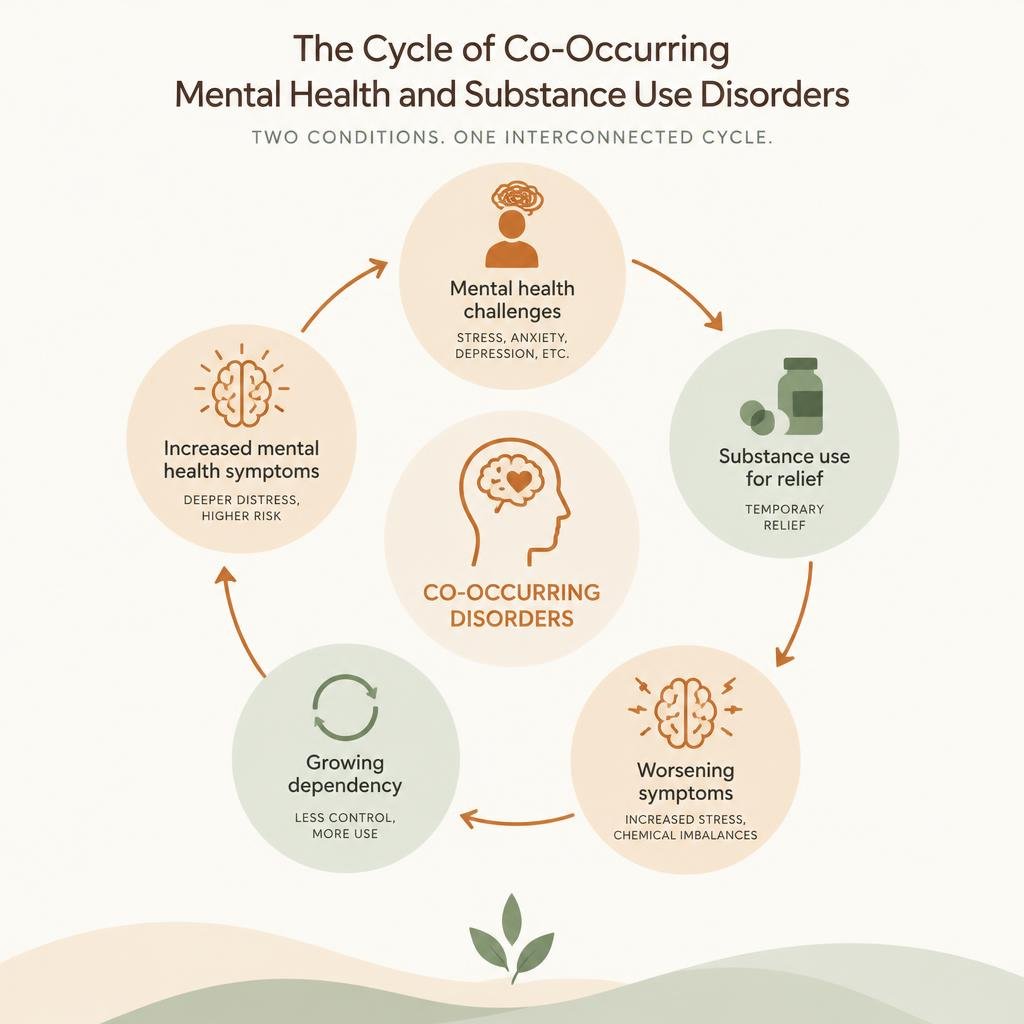
Co-occurring substance use and mental health disorders, often referred to as “dual diagnosis,” occur when an individual experiences a mental health condition and a substance use disorder simultaneously. The relationship between these two is rarely one-directional; rather, it is a bidirectional interplay where each condition can exacerbate the symptoms of the other.
From a neurobiological perspective, substances often alter the brain’s dopamine pathways, which are already dysregulated in many psychiatric conditions. This can lead to the “self-medication hypothesis,” where individuals use substances to temporarily alleviate the distress caused by symptoms like depression, mania, or severe anxiety. However, this relief is fleeting. Over time, the substance use creates further chemical imbalances, increasing the severity of the original mental health disorder and creating a cycle that is difficult to disrupt without professional intervention.
Genetics also play a significant role. Research suggests that a shared genetic vulnerability may predispose some people to both addiction and mental illness. When this biological susceptibility meets environmental stressors – such as social isolation, economic instability, or chronic exposure to high-stress environments – the likelihood of developing co-occurring disorders increases significantly.
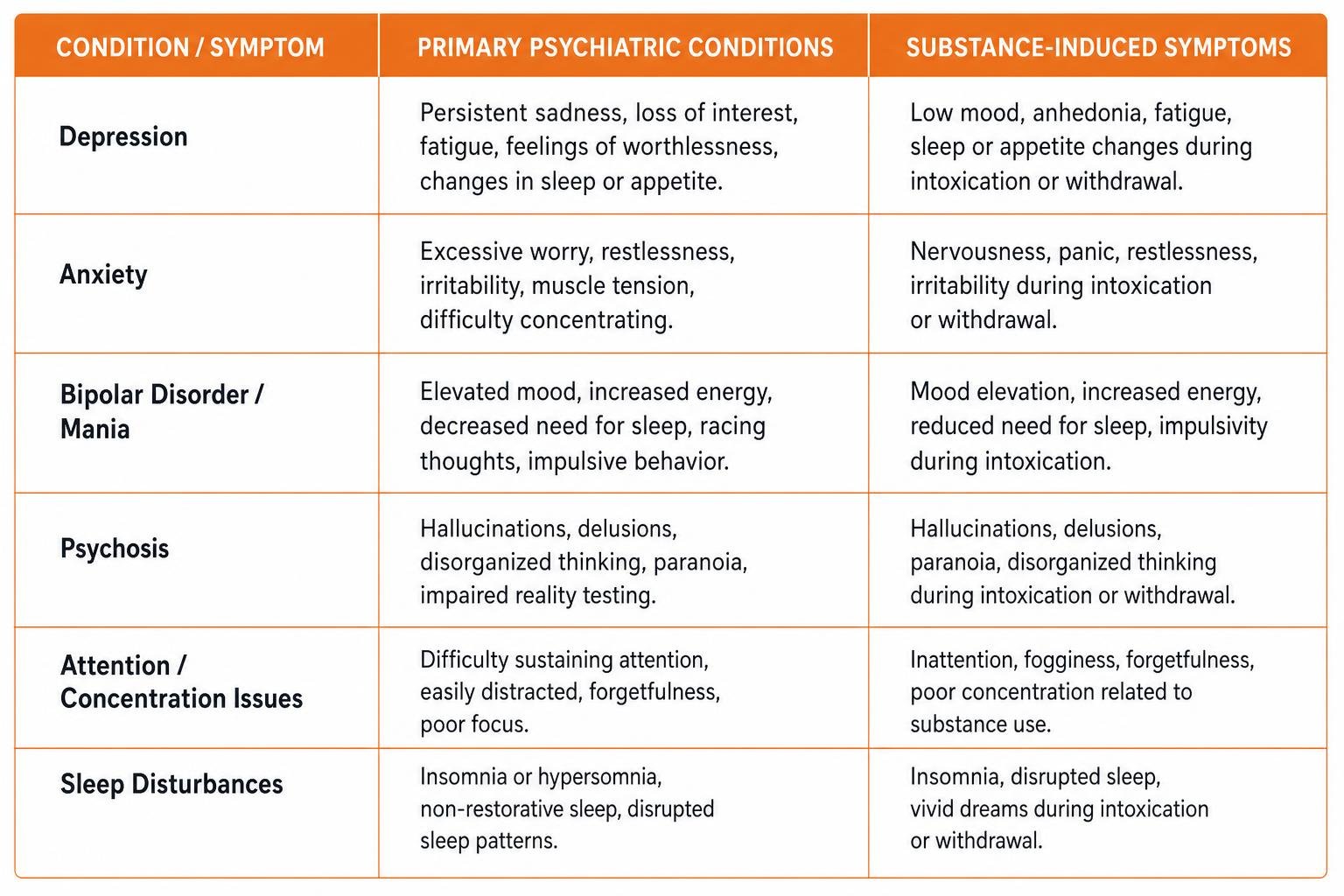
The Impact of Adverse Childhood Experiences and Trauma
One of the most profound drivers of co-occurring disorders is the history of trauma. SAMHSA estimates that up to two-thirds of people in substance use treatment report a history of physical, sexual, or emotional abuse in childhood. And in one large study of behavioral health patients, about 85% reported at least one adverse childhood experience (ACE) and roughly half reported four or more – compared with about one in six adults in the general population, per the CDC.
Trauma, particularly during critical periods of neurodevelopment, can rewire the brain’s stress-response system. This often manifests as chronic emotional dysregulation, hypervigilance, and a diminished capacity for self-soothing. Without trauma-informed care, individuals may turn to substances as a desperate attempt to regulate their nervous systems. Treatment for these individuals must go beyond surface-level behavioral changes; it must address the underlying trauma to ensure that recovery is sustainable and not just a temporary reprieve from symptoms.
Core Principles of Integrated Mental Health and Addiction Treatment
The gold standard for treating co-occurring disorders is integrated care. In the past, the healthcare system often operated in silos, requiring patients to stabilize their addiction before addressing their mental health, or vice versa. This “wrong door” policy frequently led to patients falling through the cracks.
Modern integrated care utilizes a four-quadrant model that matches the intensity of treatment to the severity of both the mental health and substance use conditions. This approach ensures that multidisciplinary teams – comprising psychiatrists, addiction specialists, therapists, and primary care providers – work in tandem. By utilizing evidence-based mental health practices, these teams ensure that the patient receives simultaneous care for both conditions. This reduces the risk of relapse and ensures that one disorder is not left untreated while the other is addressed.
Evidence-Based Therapies in Mental Health and Addiction Treatment
Effective treatment relies on therapies that are proven to address both the cognitive patterns of mental illness and the behavioral habits of addiction. Cognitive Behavioral Therapy (CBT) remains a cornerstone, as it helps individuals identify the triggers for both their substance use and their negative thought patterns.
Dialectical Behavior Therapy (DBT) is another essential tool, particularly for those struggling with intense emotional dysregulation or self-harming behaviors. By teaching skills in mindfulness, distress tolerance, and interpersonal effectiveness, DBT provides a practical toolkit for managing the volatility often associated with dual diagnosis. Additionally, Motivational Interviewing (MI) is frequently used to help individuals navigate the ambivalence that often accompanies the recovery process, fostering a stronger internal commitment to change.
Pharmacotherapy and Medical Interventions
Medication plays a vital role in stabilizing the brain chemistry necessary for recovery. For individuals with opioid use disorder, medication-assisted treatment (MAT) using buprenorphine or naltrexone can be life-saving, reducing cravings and allowing the individual to focus on therapy. Similarly, for those with co-occurring depression or anxiety, dual-action antidepressants or other non-addictive medications can help stabilize mood, creating the necessary foundation for psychological work. In cases of severe dependency, supervised detoxification is often the first step, ensuring that the body can safely withdraw from substances under medical supervision.
Levels of Care and Support Systems
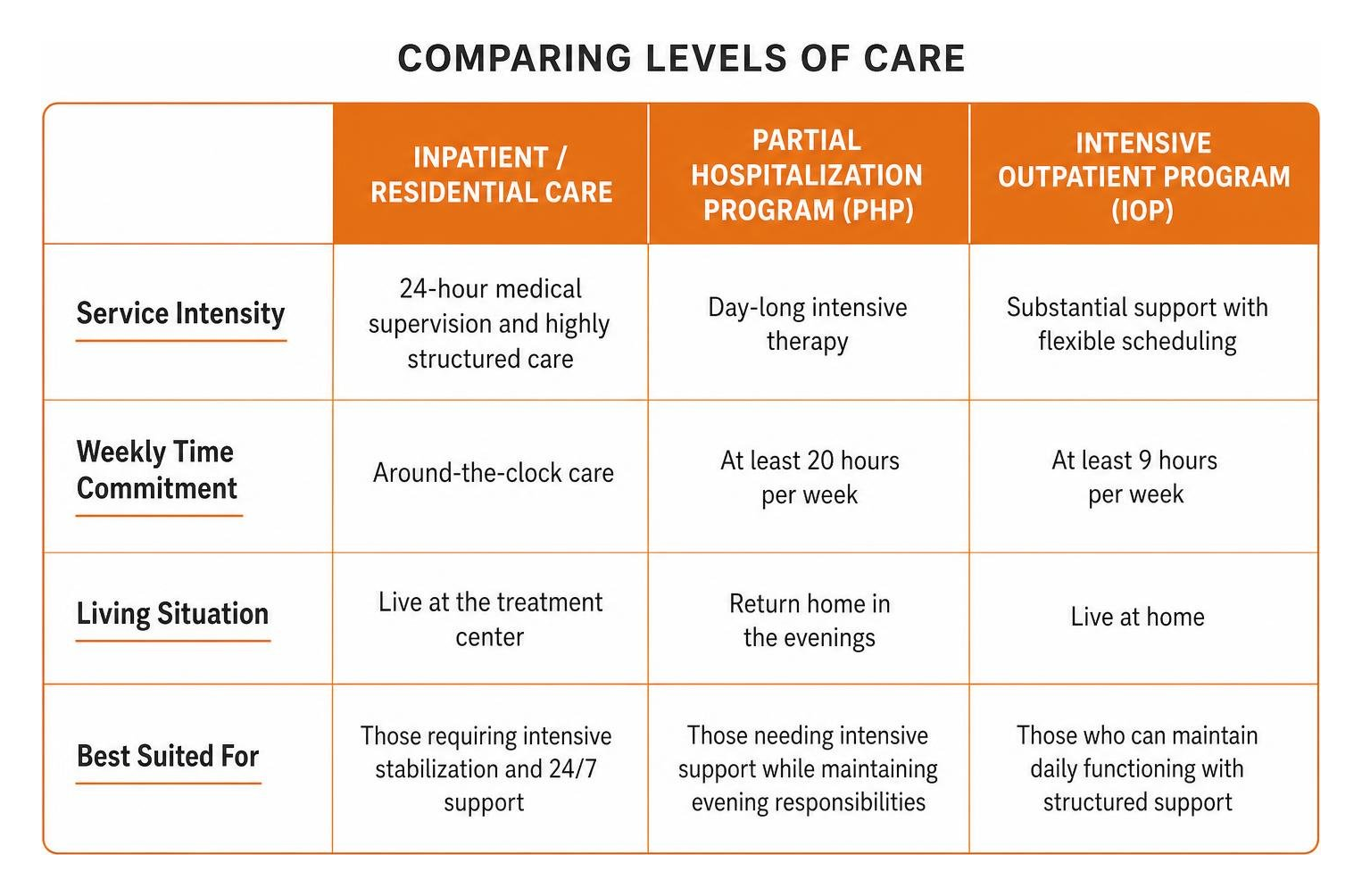
Recovery is not a one-size-fits-all process. The intensity of care should reflect the individual’s current needs, ranging from 24/7 inpatient support to routine outpatient counseling.

- Inpatient/Residential Care: Ideal for those requiring 24-hour medical supervision and a highly structured environment to achieve initial stabilization.
- Partial Hospitalization Programs (PHP): A day-long program that provides intensive therapy for at least 20 hours per week while allowing the individual to return home in the evenings.
- Intensive Outpatient Programs (IOP): Designed for those who need significant support (at least 9 hours per week) but can maintain some level of daily functioning.
- Routine Outpatient Care: A flexible, long-term maintenance phase focusing on ongoing therapy and medication management.
The Role of Family and Peer Support in Recovery
Recovery is rarely a solitary journey. Family support, when provided in a healthy, informed manner, can significantly improve outcomes. Models like the Community Reinforcement and Family Training (CRAFT) approach teach family members how to support their loved ones without enabling, fostering a home environment that rewards recovery rather than conflict.
Peer recovery specialists – individuals who have successfully navigated their own journey through recovery – also play an invaluable role. They offer a unique form of empathy and practical guidance that formal clinical staff cannot always provide, helping to bridge the gap between clinical settings and daily life.
Specialized Considerations for Young Adults in Mental Health and Addiction Treatment
Young adulthood (ages 18–25) is a period of significant neurodevelopment and social transition. With the highest rates of uninsured status and unemployment, this demographic faces unique financial and systemic barriers to care. Furthermore, since most psychiatric disorders emerge during this window, early intervention is critical. Using developmentally appropriate tools like the CRAFFT screening can help identify issues early, preventing the escalation of co-occurring disorders before they become deeply entrenched.
Overcoming Systemic Barriers and Stigma in Care Access
Despite the clear benefits of integrated care, systemic barriers remain. “Wrong door syndrome” – where a patient is rejected by an addiction clinic because they are “too depressed” or by a mental health clinic because they are “too addicted” – is a major hurdle.

Public stigma and internal shame often prevent individuals from seeking help in the first place. Addressing this requires a shift toward harm reduction strategies and a commitment to healthcare parity. When we treat mental health and addiction as chronic medical conditions rather than moral failings, we reduce the shame that keeps so many people from accessing the support they deserve.
Finding Help and Navigating Behavioral Health Resources
If you or a loved one are struggling, resources are available. You do not have to navigate this alone.
- 988 Suicide & Crisis Lifeline: Call or text 988 for 24/7, free, and confidential support.
- SAMHSA National Helpline: 1-800-662-HELP (4357) for treatment referrals and information.
- Medicare Provider Finder: Use the official Medicare tool to locate providers, including those offering telehealth, for mental health and substance use.
- FindTreatment.gov: A secure, government-authorized directory to find local, reputable treatment facilities.
Frequently Asked Questions About Co-Occurring Disorders
What is the difference between a dual diagnosis and a co-occurring disorder?
These terms are often used interchangeably. Both refer to the presence of a mental health disorder and a substance use disorder in the same person at the same time. “Dual diagnosis” is a common clinical term, while “co-occurring disorder” is the preferred terminology in many public health and research settings.
How long does integrated treatment typically take?
Because co-occurring disorders are often chronic, recovery is viewed as a long-term process rather than a short-term fix. While acute stabilization may take weeks, the “chronic disease model” of care emphasizes ongoing aftercare, support groups, and periodic check-ins to maintain wellness over months and years.
Does health insurance cover simultaneous mental health and addiction care?
In many cases, yes. Under the Mental Health Parity and Addiction Equity Act, most group health plans that offer mental health and substance use benefits must cover them comparably to medical and surgical services. Parity protections do not guarantee that every plan or service is covered – your plan’s network rules and medical-necessity criteria still apply, so it is worth checking with your insurer first. Medicare Part B also covers a range of services, including intensive outpatient programs and depression screenings.
Conclusion
Healing from co-occurring disorders is a journey of reclaiming one’s life from the cycle of symptoms and substances. By embracing an integrated model of care, we move away from the fragmentation that has historically held back progress. Whether through evidence-based therapy, medical intervention, or the vital support of family and peers, recovery is not only possible – it is sustainable. If you are ready to take the next step, reach out to a healthcare provider today to discuss a treatment plan that addresses your whole self, ensuring that your path to wellness is built on a foundation of compassion, science, and lasting support.
