

GLP-1 receptor agonists are prescription medications that mimic a natural gut hormone to regulate blood sugar and reduce appetite, making them central tools for weight management and metabolic health. Drugs like semaglutide and tirzepatide have moved from diabetes clinics into mainstream wellness conversations, and for good reason. They produce meaningful, measurable weight loss in most people who use them correctly. But they are not magic. Understanding how they work, who qualifies, and what to realistically expect is the difference between a treatment that changes your life and one that disappoints you.
What does GLP-1 do in the body?
GLP-1, short for glucagon-like peptide-1, is a hormone your gut releases after you eat. It signals your brain to reduce hunger, tells your pancreas to release insulin, and slows the rate at which food leaves your stomach. GLP-1 receptor agonists are synthetic versions of this hormone that stay active in your body far longer than the natural version does.
The central nervous system action is the primary driver of weight loss with these medications. That is a key distinction. Most people assume the stomach-slowing effect is what makes them eat less, but the brain signal is actually doing the heavier lifting. Gastrointestinal side effects are also mediated through these same central pathways, which explains why they show up so consistently across patients.

The metabolic benefits go beyond appetite. GLP-1 receptor agonists trigger glucose-dependent insulin secretion, meaning insulin is released only when blood sugar rises. This mechanism reduces the risk of dangerous low blood sugar episodes that older diabetes medications can cause. Research also shows that metabolic effects extend to cardiovascular risk reduction and potentially renal protection in people with Type 2 diabetes.
Pro Tip: If you are taking a GLP-1 medication primarily for weight loss, ask your doctor to also track your blood pressure and fasting glucose over time. You may be getting cardiovascular benefits you are not even measuring.
How much weight can you actually lose on GLP-1 drugs?
Results vary more than most people expect, and that variability is worth understanding before you start.
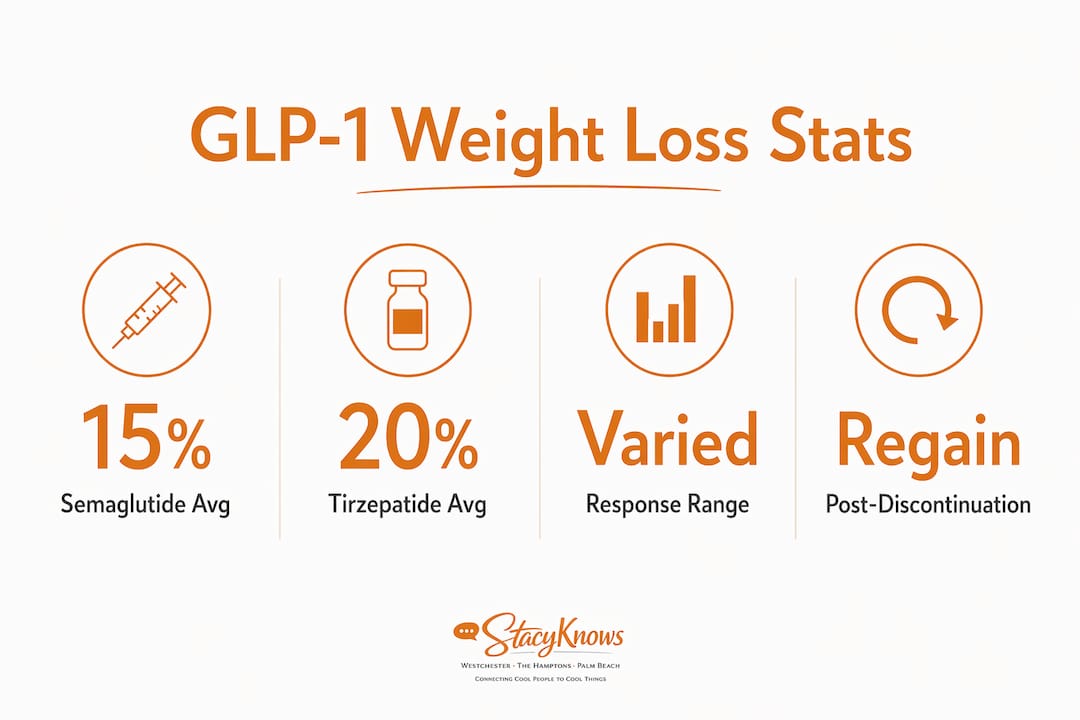
Semaglutide produces approximately 15% body weight loss on average, while tirzepatide averages around 20%. Those are averages, not guarantees. Some people lose more than 30% of their body weight. Others, roughly 10–15% of patients, experience little to no weight loss even at the maximum dose. That last group is real, and it deserves honest acknowledgment.
| Medication | Average weight loss | High responders | Low/non-responders |
|---|---|---|---|
| Semaglutide | ~15% body weight | Some exceed 30% | ~10–15% lose little |
| Tirzepatide | ~20% body weight | Some exceed 30% | ~10–15% lose little |
Weight regain is also a documented reality. Discontinuation typically leads to weight regain because the biological appetite signals that were suppressed simply return. This is not a personal failure. It reflects the chronic nature of obesity as a condition. Thinking of these medications the way you think of blood pressure medication, as something you may need long term, sets more realistic expectations from the start. For a deeper look at sustainable weight loss strategies that complement drug therapy, Stacyknows has a dedicated guide worth reading alongside this one.
Who qualifies for GLP-1 medications?
FDA guidance establishes clear eligibility criteria, and most providers follow them closely.
You generally qualify if you meet one of these conditions:
- BMI of 30 or higher with no additional weight-related health conditions
- BMI of 27 or higher plus at least one weight-related condition such as Type 2 diabetes, hypertension, or high cholesterol
- Type 2 diabetes diagnosis where blood sugar control is the primary goal
FDA guidance requires a thorough medical assessment before prescribing, and many insurers require prior authorization. That process can feel slow and frustrating, but it exists to protect you. Providers review your full medical history, current medications, and any contraindications before writing a prescription.
Contraindications include pregnancy and certain rare genetic conditions involving thyroid tumors. People with a personal or family history of medullary thyroid carcinoma or multiple endocrine neoplasia syndrome type 2 should not use these medications. Direct-to-consumer digital health platforms have made access faster, but fragmented care raises real concerns about missed adverse events and lack of proper oversight. A relationship with a primary care provider or endocrinologist remains the safest path.
What are the common side effects of GLP-1 therapy?
Most side effects are gastrointestinal, and most improve over time. That is genuinely good news for people who feel discouraged early in treatment.
Common side effects include nausea, vomiting, diarrhea, and constipation, all related to slowed gastric emptying. They tend to peak in the first few weeks and diminish as your dose increases gradually. The gradual escalation schedule is not just a formality. It is the primary tool for managing tolerability.
Rare but serious risks include:
- Pancreatitis: Inflammation of the pancreas, signaled by severe abdominal pain
- Gallbladder issues: Gallstones occur at higher rates in people losing weight rapidly
- Severe nausea or dehydration: Requires medical attention if persistent
- Potential thyroid concerns: Animal studies raised flags; human risk is still being studied
Pro Tip: Eating smaller, lower-fat meals during the first month of treatment significantly reduces nausea. Fatty or heavily spiced foods slow gastric emptying further and amplify side effects.
Reading about others’ real experiences can help you feel less alone. Stacyknows has covered the social side of GLP-1 use with honesty and empathy, including what it feels like to navigate these changes in everyday life.
How to integrate GLP-1 medications with lifestyle for lasting results
GLP-1 medications are chronic treatments, not short-term fixes. Treating them as a quick solution sets you up for disappointment and potential health risks.
Here is how to build a sustainable plan around your medication:
- Prioritize protein at every meal. Loss of lean muscle and bone mass is a documented risk during treatment. Eating adequate protein, roughly 1.2–1.6 grams per kilogram of body weight daily, helps preserve the muscle you have.
- Add resistance training at least twice a week. Strength training is the most effective tool for protecting muscle mass while in a caloric deficit. It also supports bone density, which GLP-1 therapy can affect.
- Work with a registered dietitian if possible. Appetite suppression can make it easy to under-eat, which accelerates muscle loss. A dietitian helps you hit nutritional targets even when hunger signals are muted.
- Schedule regular check-ins with your prescribing provider. Dose adjustments, lab monitoring, and side effect management all require ongoing medical attention. This is not a set-it-and-forget-it prescription.
- Understand the long-term commitment. Weight loss is not a permanent cure without continued treatment and lifestyle changes. Planning for that reality from the start changes how you approach the whole process.
For readers curious about the broader science of nutrition and weight, Gary Taubes’ book Why We Get Fat offers a useful metabolic framework that pairs well with understanding how GLP-1 therapy works. Stacyknows also has a detailed piece on GLP-1 and muscle health that goes deeper on this topic.
My honest take on what these medications can and cannot do
I have watched the conversation around GLP-1 medications shift from cautious clinical interest to full cultural phenomenon, and that shift worries me a little. Not because the drugs are bad. They are genuinely impressive. But the hype has created a gap between what people expect and what the science actually shows.
The most important thing I want you to understand is this: dose drives efficacy, not brand name. Switching between brand variants of the same molecule at the same dose does not change your results. Yet I see people convinced that one label works better than another. That belief costs money and delays real progress.
The supplement market is also a genuine concern. GLP-1 dietary supplements sold online do not contain active prescription medication and are not effective for weight loss. They exploit the popularity of real GLP-1 drugs with misleading marketing. If a product claims to “boost your GLP-1 naturally” and costs $40 a month, it is not the same thing. Not even close.
What I believe works: a real prescription from a real provider, a protein-forward diet, consistent resistance training, and honest conversations with your doctor about what you are experiencing. The lights do not dim on your progress when you hit a plateau. They dim when you stop treating this as the long-term health commitment it actually is.
— Stacy
What Stacyknows recommends for your wellness toolkit
GLP-1 therapy is one piece of a larger picture. The readers who see the best results are the ones who treat their whole health, not just their weight.

Stacyknows covers the full spectrum of wellness, from the clinical to the everyday. Whether you are looking for trusted wellness finds that support your health goals, or want to read about GLP-1 as a 2026 wellness trend with real context behind the headlines, you will find it here. The goal is always the same: give you information you can actually use, without the noise.
FAQ
What does GLP-1 stand for?
GLP-1 stands for glucagon-like peptide-1, a natural hormone released by the gut after eating that regulates appetite and insulin release.
How long does it take to see weight loss results on GLP-1 medications?
Most people notice appetite changes within the first few weeks, but meaningful weight loss typically becomes visible after 8–12 weeks as doses increase to therapeutic levels.
Can you take GLP-1 medications if you do not have diabetes?
Yes. FDA-approved GLP-1 receptor agonists like semaglutide are approved for chronic weight management in adults with a BMI of 30 or higher, or 27 or higher with a weight-related condition, regardless of diabetes status.
What happens when you stop taking a GLP-1 medication?
Weight regain is common after stopping because the appetite-suppressing effects end and biological hunger signals return to their previous levels.
Are GLP-1 supplements sold online the same as prescription medications?
No. GLP-1 supplements sold online contain no active prescription ingredient and have no clinical evidence supporting weight loss claims. Only FDA-approved prescription medications carry proven efficacy.
Recommended
- What It’s Like to Talk to a Thin Person When You’re on a GLP-1 – Stacyknows When Your Weight Loss Annoys Other People | StacyKnows
- What Is “Ozempic Personality”? Some GLP-1 Users Say They Don’t Feel Like Themselves Anymore – Stacyknows
- Why Is My Entire Feed Suddenly About Creatine? And Should Women on GLP-1s Actually Be Taking It? – Stacyknows Why Women on GLP-1s Are Suddenly Talking About Creatine
- National Nutrition Month: Why GLP-1 Weight Loss Should Also Focus on Muscle, Metabolism, and Long-Term Health – Stacyknows
