

Fashion over 50 is defined by confidence, comfort, and personal expression. It is not about following outdated rules that tell you what you should or should not wear at a certain age. The real shift happening right now is that women over 50 reject the old “age-appropriate” dress code entirely, choosing instead to dress for the life they are actually living. That means building a wardrobe around fit, quality fabrics, and pieces that reflect your current lifestyle, not some imagined version of what a woman your age is supposed to look like. Style does not expire. It evolves.
What fabrics and silhouettes work best for fashion over 50?
Fabric choice becomes more personal after 50, and for good reason. Aging causes skin thinning, a condition dermatologists call dermatoporosis, which makes rough or synthetic fabrics genuinely uncomfortable against the skin. Natural fibers like bamboo, silk, linen, cotton, and cashmere reduce irritation and breathe better throughout the day. These are not luxury indulgences. They are practical choices that make getting dressed feel good.
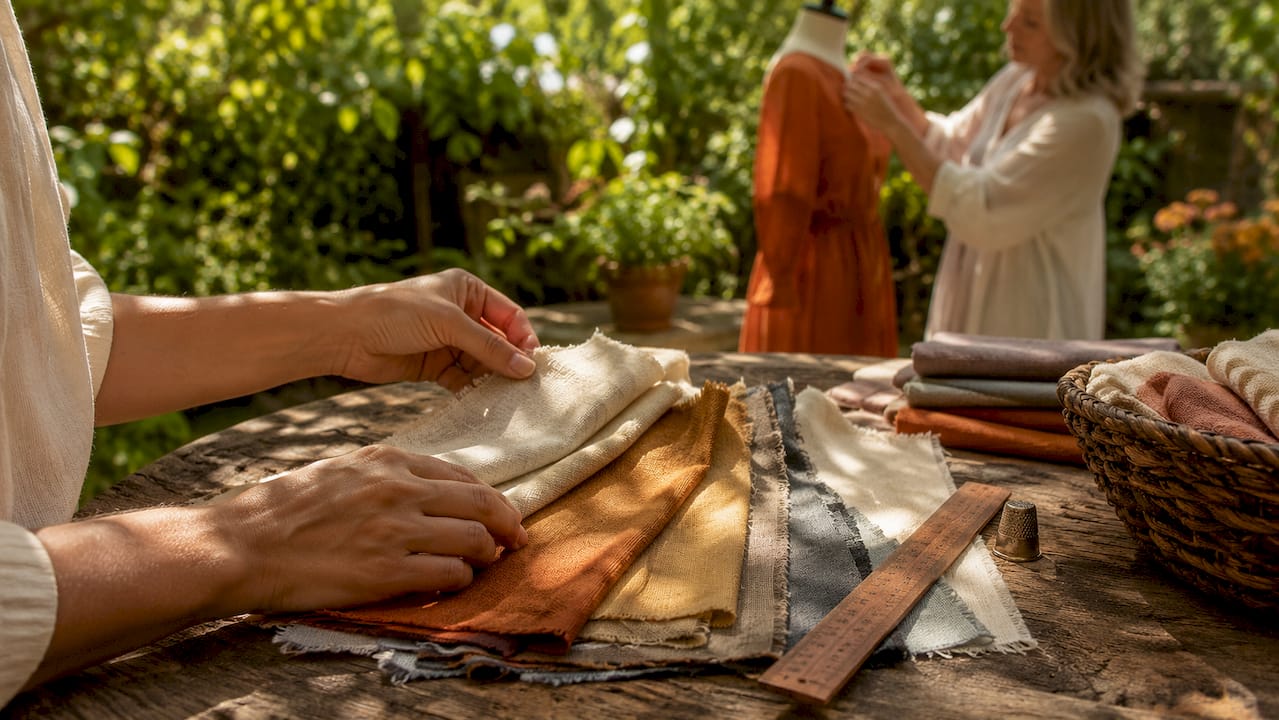
Silhouette matters just as much as fabric. Polished, relaxed silhouettes that follow the body’s natural lines without clinging or adding bulk are the most flattering option for women over 50. The goal is a shape that moves with you, not against you. Extremes in either direction, too tight or too shapeless, tend to work against a polished look.
Two fabric categories deserve special attention:
- Ponte knit trousers and dresses offer the structure of tailored pants with the comfort of a stretch fabric. They hold their shape all day without pinching.
- Jersey knit pieces are wrinkle-resistant and travel-friendly, making them ideal for women who want to look put-together without constant maintenance.
- Elastic waistbands and magnetic closures replace restrictive zippers and stiff buttons, making dressing easier and more comfortable without sacrificing style.
- Wide-leg and straight-leg trousers paired with wrap-style tops create a flattering, comfortable silhouette that works across body shapes.
- Relaxed blazers and cardigans add polish and layering options without restricting movement.
Pro Tip: When shopping for new pieces, run the fabric between your fingers before buying. If it feels scratchy in the store, it will feel worse after a full day of wear.
How do you build a capsule wardrobe for women over 50?
A capsule wardrobe is a small, intentional collection of versatile pieces that work together across multiple outfits. The concept removes decision fatigue and ensures you always have something to wear. A well-built capsule covers 12–18 versatile pieces including trousers, skirts, layering pieces, tops, event wear, and shoes. A more comprehensive version can extend to 25–30 pieces to cover every activity in your life.
Building one takes a clear-eyed look at your actual lifestyle. A woman who works from home needs different anchor pieces than one who attends regular social events or travels frequently. Start with what you do most, then fill in the gaps.
Here is a practical starting framework:
- Two pairs of well-fitting trousers (one tailored, one relaxed)
- One pair of dark jeans in a straight or wide-leg cut
- Two versatile skirts (one midi, one A-line)
- Three tops in neutral tones that layer easily
- One wrap dress that transitions from day to evening
- Two layering pieces (a blazer and a cardigan)
- One classic coat in a neutral color
- Three pairs of shoes (loafers, block heels, and a flat)
- Two to three accessories that anchor your color palette
Color strategy is where many women get stuck. A neutral base of navy, camel, ivory, gray, and black gives you maximum mix-and-match flexibility. Then add two or three accent colors that genuinely suit your complexion. You can find quiet luxury capsule examples that show exactly how this works in practice.
| Category | Recommended pieces | Purpose |
|---|---|---|
| Bottoms | 3–4 | Trousers, jeans, skirts |
| Tops | 3–4 | Layering and standalone |
| Outerwear | 2 | Blazer, coat |
| Dresses | 1–2 | Versatile day-to-evening |
| Shoes | 3 | Comfort and occasion range |
| Accessories | 2–3 | Color and style refresh |
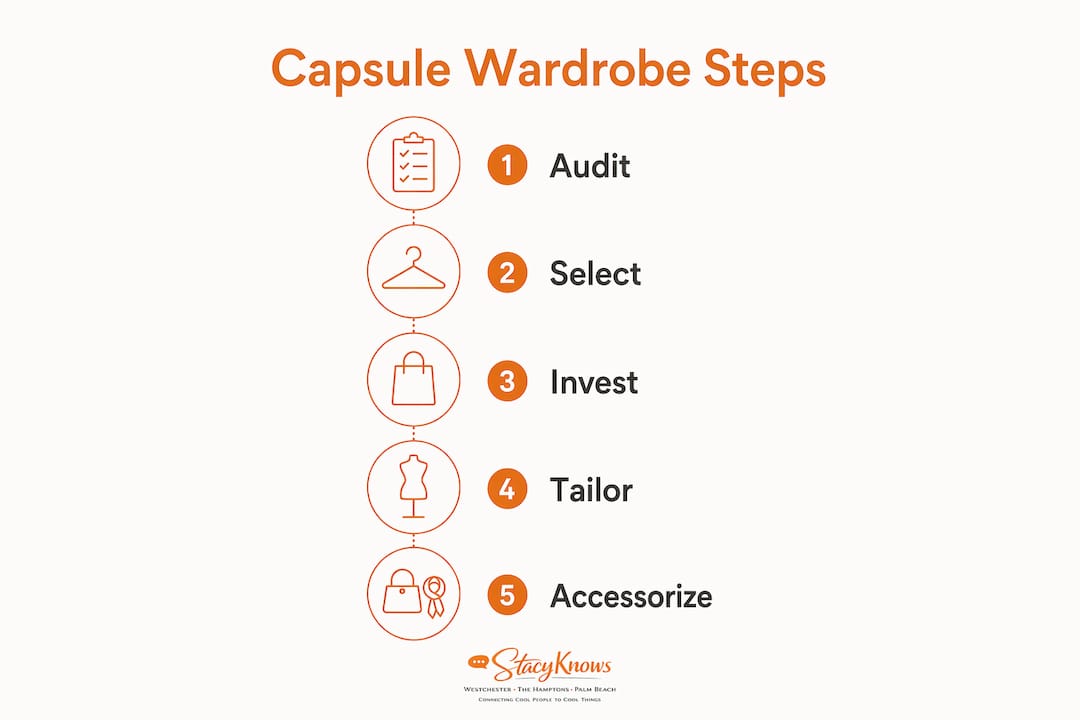
Before buying anything new, audit what you already own. Many women find they already have the bones of a capsule wardrobe. Stacyknows has a practical guide on shopping your own closet that makes this process much easier.
Pro Tip: Lay every item you own on your bed once a season. If you have not reached for it in six months, it is not earning its place in your wardrobe.
How do you balance trends with timeless style after 50?
The modern approach to trends after 50 is simple. You add one or two modern pieces to a classic, clean base rather than overhauling your entire look each season. The goal is never to appear as though you are chasing youth. The goal is to look current, confident, and entirely yourself.
Certain silhouettes and textures are working particularly well for women in their 50s and 60s right now:
- Relaxed tailoring in linen or cotton blends reads as polished without feeling stiff
- Wide-leg trousers in neutral tones pair with fitted tops for a balanced proportion
- Layered neutrals in tonal combinations create depth without visual noise
- Leather accents like a simple jacket or a structured bag add edge to softer pieces
- Statement accessories do the trend work so your base pieces stay classic
The key test for any trend is personal resonance. If a style makes you feel like yourself, wear it. If it feels like a costume, skip it. Ageless glamour is making a real comeback, and it is built on exactly this principle. You can also check 2026 style formulas that translate current trends into wearable combinations for women over 50.
Quality fabric is the non-negotiable anchor. Linen, cotton, and cashmere in classic cuts will always look more expensive and more intentional than trend pieces in synthetic blends.
Why does fit matter more than price or brand?
Fit is the single most important factor in how polished any outfit looks. A $30 garment that fits well looks better than an expensive piece that pulls, gaps, or hangs incorrectly. Tailoring affordable clothes is one of the highest-return investments you can make in your wardrobe.
Body proportions shift after 50. Shoulders may narrow slightly, waists may soften, and hips may redistribute. Off-the-rack clothing is cut for a generic body that may no longer match yours. A skilled tailor can adjust shoulder seams, take in a waist, shorten a hem, or reshape a sleeve for a fraction of the cost of a new garment.
The most common alterations worth making are hemming trousers to the right length, taking in the waist on jackets, and adjusting sleeve length on blouses. These three changes alone transform how a piece looks on your body. A complete capsule wardrobe guide covers how to select pieces that require minimal tailoring from the start.
Pro Tip: Find one trusted local tailor and build a relationship with them. Bring in a few pieces at once to reduce cost per visit, and always ask what is worth altering versus replacing.
Practical tips for styling and accessorizing with confidence
Accessories are the fastest way to refresh a look without buying anything new. Scarves, statement jewelry, quality sunglasses, and structured handbags can completely transform a simple outfit. A silk scarf tied at the neck or looped through a bag handle adds color and personality in seconds. A bold necklace over a plain white shirt creates a finished look with zero extra effort.
Layering serves both a style and a practical function after 50. The body’s thermostat changes with age, making it harder to regulate temperature indoors and outdoors. Light, breathable layers let you adjust warmth without adding bulk. A thin cashmere cardigan over a sleeveless top, or a relaxed blazer over a jersey dress, gives you control over your comfort throughout the day.
Footwear is where comfort and style most often collide. Block heels, loafers, and leather flats combine all-day wearability with a polished finish. If a shoe hurts after an hour, it does not belong in your wardrobe, regardless of how good it looks. Comfort and style genuinely coexist in these categories. You do not have to choose one over the other.
Updating your look seasonally does not require buying new pieces. Swapping accessories, changing your color palette slightly, or layering differently can make existing pieces feel fresh. Stacyknows covers travel-ready style that applies the same principle to packing light while looking great.
What I have learned about dressing after 50
Something shifts when you stop dressing for other people’s expectations and start dressing for yourself. I have watched this happen in real time, both in my own wardrobe and in the women I write for at Stacyknows. The relief is almost physical. You stop reaching for things that look right on paper and start reaching for things that feel right on your body.
The conventional wisdom that women over 50 should “dress their age” is not just outdated. It is actively unhelpful. Age has nothing to do with whether you can wear a leather jacket, a bold print, or a pair of wide-leg trousers. What matters is whether the piece fits well, feels comfortable, and reflects who you actually are right now.
What I find most interesting is that the women who dress with the most confidence after 50 are not the ones with the biggest budgets. They are the ones who know their bodies, know their fabrics, and have stopped apologizing for their choices. That clarity is genuinely freeing. Style at this stage of life is not about holding on to something. It is about stepping fully into who you have become.
— Stacy
Style resources worth bookmarking on Stacyknows
Your wardrobe is only one part of feeling your best after 50. Beauty, skincare, and self-care all work together with the clothes you wear to create a complete picture of how you present yourself to the world.
Stacyknows curates beauty secret finds specifically for women who want trusted, real-world recommendations without the noise of mass-market advertising. From skincare that works with maturing skin to styling tools that actually deliver, the collection is built around what genuinely works. Pair those finds with the wardrobe principles in this article, and you have a complete foundation for looking and feeling like the best version of yourself, every single day.
FAQ
What is fashion over 50 really about?
Fashion over 50 is about dressing with confidence, comfort, and personal expression. It rejects outdated age rules and focuses on fit, quality fabrics, and a wardrobe that reflects your current lifestyle.
How many pieces does a capsule wardrobe need?
A well-built capsule wardrobe covers 12–18 versatile pieces, including trousers, tops, layering items, and shoes. A more comprehensive version can extend to 25–30 pieces to cover all activities and occasions.
Is tailoring worth it for everyday clothes?
Yes. A professionally tailored $30 garment consistently looks better than an expensive piece that fits poorly. Tailoring is one of the highest-return investments you can make in your wardrobe.
What fabrics are best for women over 50?
Natural fibers like bamboo, silk, linen, cotton, and cashmere are the best choices. They reduce skin irritation, breathe well, and feel comfortable against maturing skin throughout the day.
How do you incorporate trends without looking overdone?
Add one or two trend pieces to a classic, clean base rather than overhauling your entire look. Choose trends that resonate personally, and let quality fabric and good fit do the heavy lifting.
Recommended
- Fashion Trends 2026: Style Formulas That Actually Work – Stacyknows
- Ways To Shop Your Closet This Season
- 22 Pieces To Build a Complete Capsule Wardrobe
- Effortless Winter Style: Chic Looks You’ll Love
