
Image Source – https://unsplash.com/photos/a-sink-with-a-bunch-of-items-on-top-of-it-BGbLDm77t0M
A decade ago, most surgical procedures happened inside a hospital. That is no longer the case, and the shift is reshaping what facilities need to stock, how quickly they need it, and which suppliers are actually equipped to serve the settings where surgery happens most often today.
Ambulatory Surgery Centers now host 72 percent of all U.S. surgeries, representing one of the most significant changes in surgical care delivery in the past decade, with 11,521 centers currently operating nationwide and projections suggesting approximately 25 percent growth over the next four years. New Jersey is one of the more active ASC states in the country, with outpatient surgical volumes spanning orthopedics, gastroenterology, ophthalmology, and pain management across facilities concentrated in and around Jersey City, Newark, and the broader metro corridor. These settings have fundamentally different supply procurement needs than hospital operating rooms, and not every supplier has adapted to serve both well.
What Outpatient Surgical Settings Actually Need
The supply categories active across New Jersey’s ASCs, hospital surgical departments, and affiliated outpatient clinics cover a broader range than most people outside clinical operations initially expect.

Image Source – https://unsplash.com/photos/a-person-in-a-surgical-gown-is-holding-a-pair-of-scissors-9shWSkeYjlQ
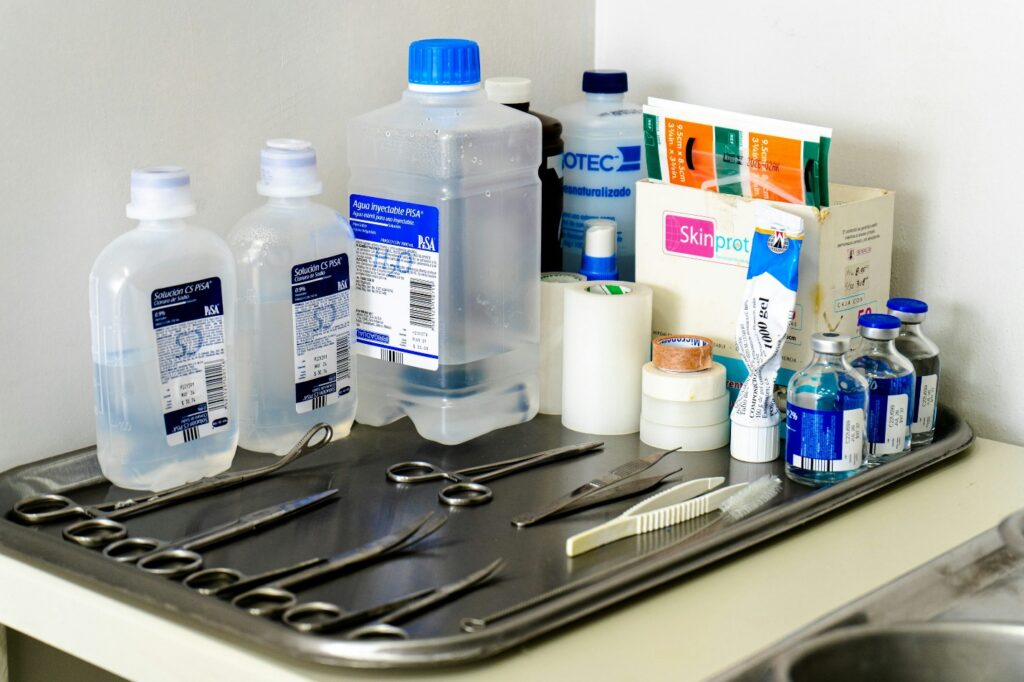
At the procedural core, surgical instruments represent the category where quality and sterility standards are non-negotiable. A compromised instrument in an outpatient setting creates the same patient risk as one in a hospital OR, but with less immediate clinical backup if something goes wrong. Surgical gauze and surgical drapes support the sterile field across every procedure regardless of complexity.
At the protective layer, nitrile gloves and PPE supplies are the highest-turnover items in any surgical or clinical setting. Medical gowns and infection control supplies maintain the barrier standards that procedural environments require at every patient interaction, not just in the OR itself.
For the broader clinical infrastructure surrounding surgical care, wound care supplies manage the post-procedural phase, which in an outpatient setting is handled by the same facility that performed the procedure rather than handed off to an inpatient floor. Orthopedic supplies support the rehabilitation layer that follows procedures in that specialty. Patient monitoring equipment and oxygen therapy supplies support both the procedural and recovery phases of any outpatient surgical visit.
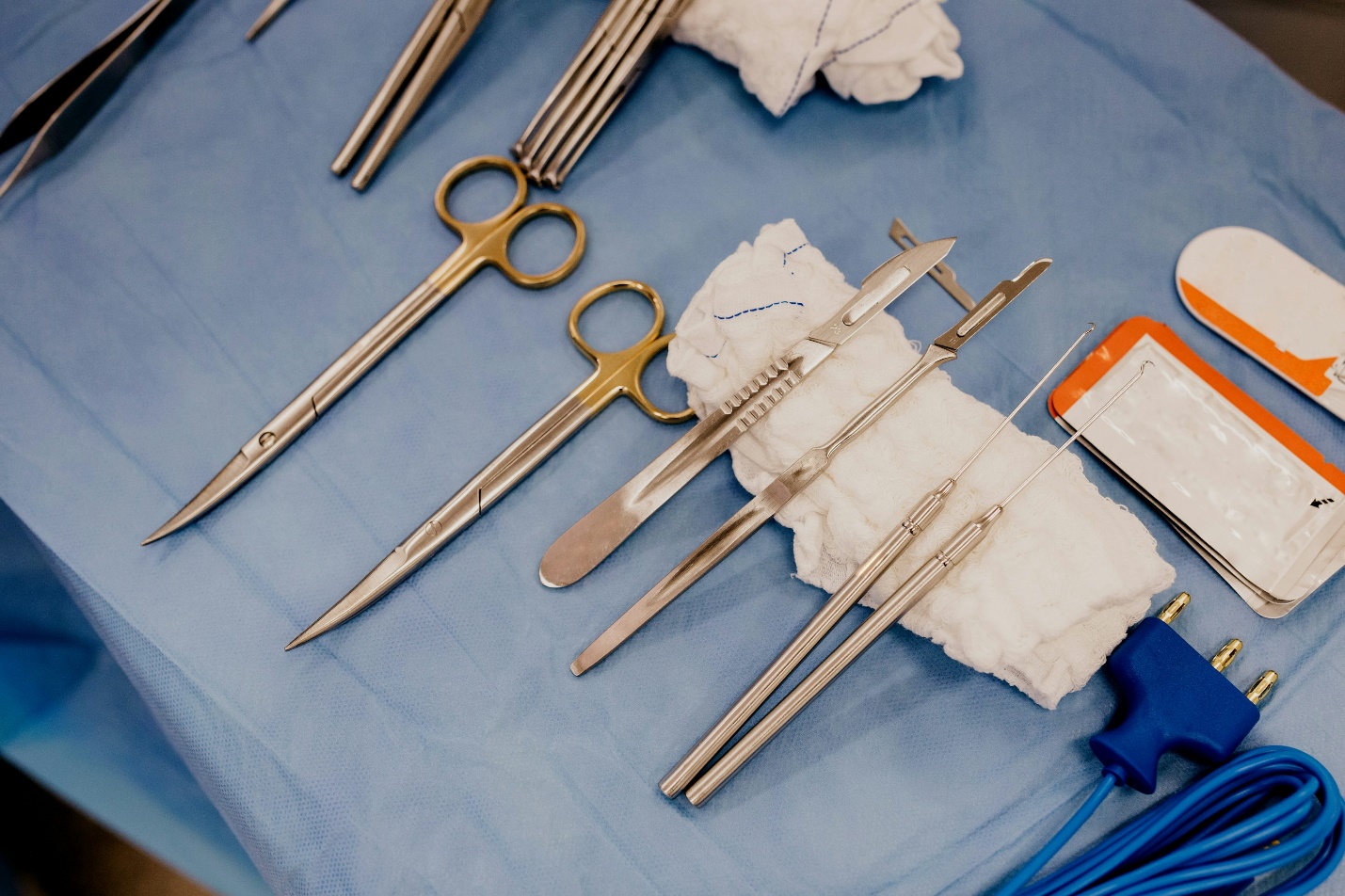
Image Source – https://unsplash.com/photos/a-wooden-cutting-board-zNmTJzKdark
Physical therapy equipment serves the downstream recovery programs that many ASCs and affiliated outpatient practices offer as part of their integrated care model. Exam table paper, underpads, and medical exam tables round out the everyday clinical infrastructure that keeps a high-volume outpatient practice running without interruption between procedures.
Laboratory supplies support the diagnostic function that precedes and follows surgical care, while pharmaceutical supplies require their own sourcing attention given the chronic shortage environment affecting hundreds of medications relevant to procedural settings.
Surgical Supply Cost Reference for New Jersey Facilities
Below is a general cost reference for commonly ordered surgical and clinical supply categories:
| Supply Category | Estimated Cost Range | Notes |
|---|---|---|
| Surgical Instruments (per set) | $50 – $500+ | Material grade and instrument type vary |
| Surgical Gauze (per pack) | $2 – $15 | Sterility level and pack size determine price |
| Nitrile Gloves (per box of 100) | $4 – $12 | Price fluctuates with raw material availability |
| Wound Care Supplies (per unit) | $1 – $75 | Advanced therapeutic dressings priced higher |
| Orthopedic Supplies (per unit) | $20 – $300+ | Brace type and support level vary |
| Oxygen Therapy Supplies (per unit) | $600 – $2,500+ | Portable concentrators typically priced higher |
| Patient Monitoring Equipment (per unit) | $800 – $5,000+ | Monitoring scope drives the range |
| Exam Table Paper (per roll) | $8 – $25 | Width and sheet weight affect price |
| Underpads (per case) | $20 – $60 | Absorbency rating determines cost |
Sources: General wholesale medical supply pricing compiled from distributor catalogs and industry data (2025-2026)
Price Is Only One Part of the Procurement Decision
Comparing supply costs is useful, but outpatient facilities also need to know whether a vendor can consistently provide the products required for a busy surgical schedule. Product quality, inventory availability, delivery turnaround, regulatory compliance, and customer support can all matter as much as the quoted price. Healthcare purchasing teams looking for additional guidance on evaluating vendors can visit NYC Business Today, which publishes health and business coverage, including a detailed guide to comparing medical supply companies before placing bulk orders. Its guidance emphasizes looking beyond price to consider reliability, product availability, delivery capabilities, and long-term supplier value.
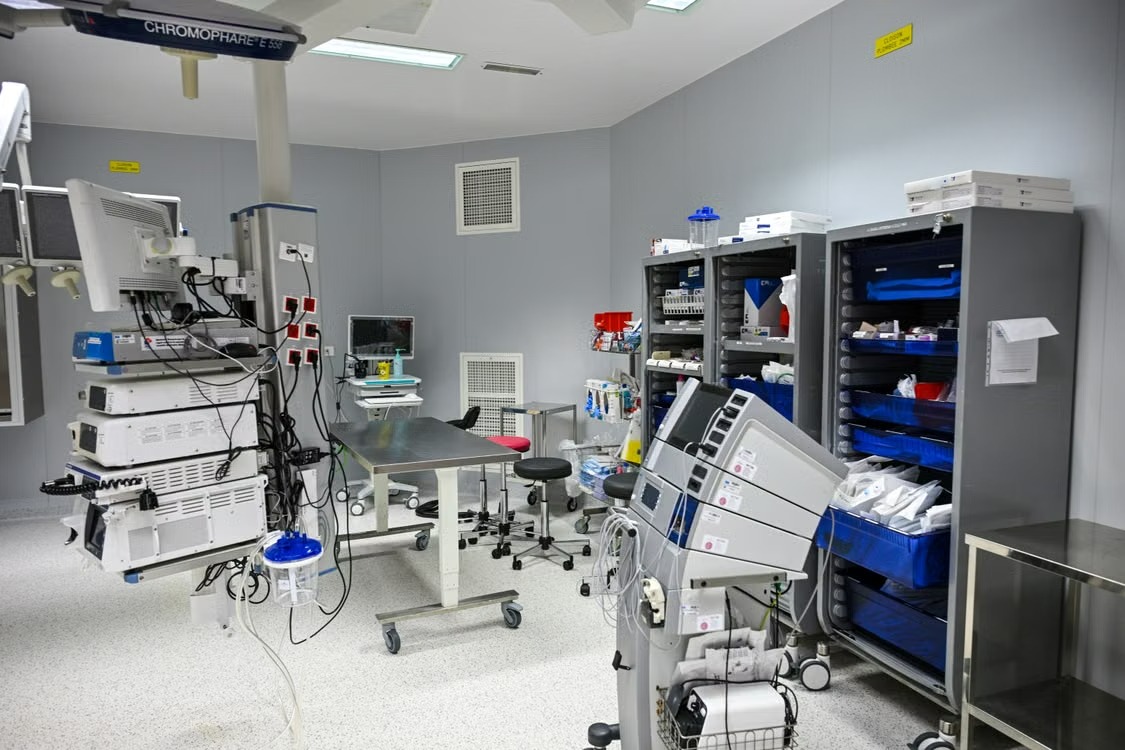
Image Source – https://www.pexels.com/photo/modern-medical-operating-room-with-equipment-39442464/
Matching the Supplier to How Surgical Care Is Actually Delivered
An ASC running 15 procedures a day has different supply logistics than a hospital surgical department. Turnover is faster, storage space is tighter, and a missing item cannot simply be pulled from a central supply room two floors up. For facilities in this position, the practical value of a supplier offering next-day delivery on medical supplies is measurable in daily operations, not just on paper. For New Jersey facilities seeking reliable turnaround across both surgical and supporting clinical categories, HSS Medical Supply provides dependable access to surgical supplies in NJ.
The Procurement Implication of Where Surgery Has Moved
As more procedures shift permanently to outpatient settings, the supply chains serving those settings will need to match the pace and predictability that high-volume ASCs and outpatient practices require. Durable medical equipment, wholesale medical supplies, and the full range of consumable categories all need to arrive on schedule, in the right quantities, without the facility absorbing the overhead of managing multiple vendor relationships for what is functionally one operational need.
The facilities that get this right tend to be the ones that treated supplier selection as a procurement decision, not just a purchasing convenience.
As surgical care continues moving toward outpatient settings, visibility matters for suppliers serving these increasingly competitive markets. SEO Guru NYC helps New York businesses strengthen their presence across traditional search and AI-powered discovery through SEO, localized content, AEO, GEO, and AI visibility strategies.
Image Source – https://unsplash.com/photos/a-sink-with-a-bunch-of-items-on-top-of-it-BGbLDm77t0M
