
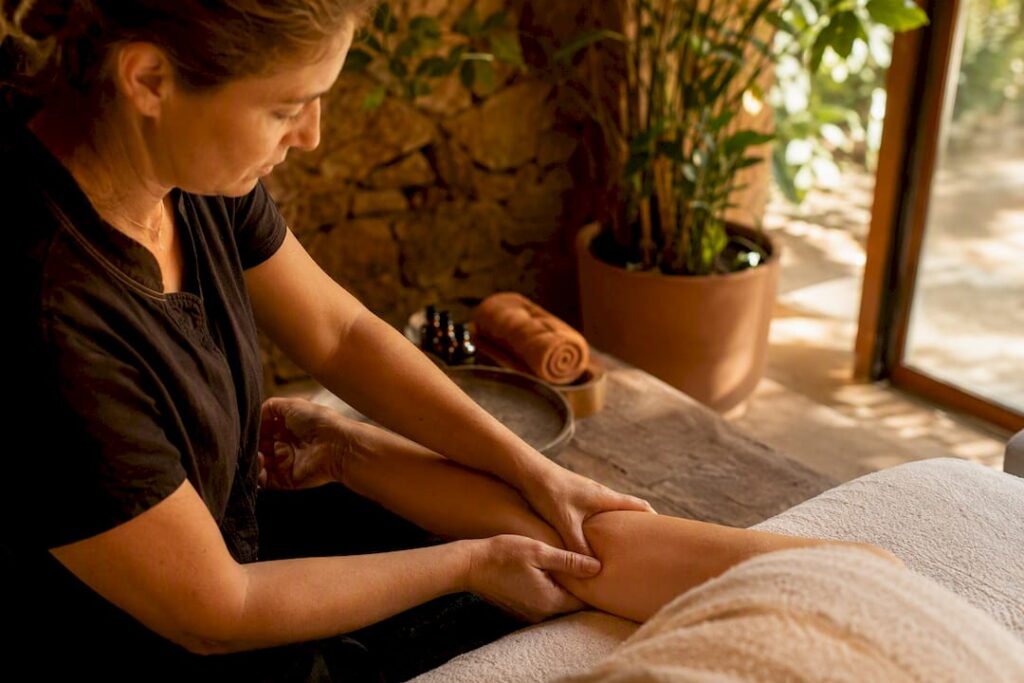
Lymphatic drainage massage, also called manual lymphatic drainage or MLD, is a light-touch technique that uses gentle, rhythmic strokes to move excess fluid through the lymphatic system toward areas your body can actually process. If you have lymphedema or swelling after surgery, MLD performed by a trained therapist can produce real, lasting relief. If you’re chasing a slimmer jawline or a “detox” before a big event, the effect you feel is mostly water shifting, and it fades within a day or two. Either way, talk to a clinician before starting if you have a heart, kidney, or circulatory condition.
Quick facts to know before booking a session:
- MLD is a recognized part of lymphedema management, not a fringe wellness fad.
- Cosmetic swelling reduction is real but temporary in people with healthy lymphatic systems.
- Certain heart, kidney, and infection conditions make MLD unsafe without medical clearance.
- The right provider for medical cases is a therapist with specialized lymphedema training, not just any massage therapist.
What Is the Lymphatic System, and How Does Lymphatic Drainage Massage Work?
Your lymphatic system runs parallel to your bloodstream, but instead of pumping blood, it quietly collects excess fluid, proteins, and cellular debris from your tissues and filters them through lymph nodes before returning clean fluid to circulation. Unlike your heart, the lymphatic system has no central pump. It relies on muscle movement, breathing, and the natural elasticity of your skin to keep fluid moving. When that system gets damaged or overwhelmed, fluid backs up in the tissue, and you get swelling, called lymphedema when it’s chronic, or general puffiness when it’s temporary.
MLD works by manually recreating the conditions that normally push lymph forward. A trained therapist doesn’t knead or dig into muscle the way a sports massage would. Instead, they use featherlight pressure, usually described as the weight you’d use to stroke a cat, combined with a specific stretch-and-release rhythm on the skin. That stretch mimics the natural pumping action of your lymphatic vessels, called lymphangions, encouraging them to contract and move fluid toward the nearest functioning lymph nodes.
Three mechanics make MLD distinct from any other bodywork:
- Directional strokes. Every movement follows the mapped path of your lymphatic vessels, always working toward an open, functioning set of nodes rather than in random or circular motions.
- Rhythm over pressure. The technique repeats each stroke multiple times in a slow, steady cadence, because lymph moves in response to repeated, gentle stimulation rather than deep, sustained force.
- Breath coordination. Deep diaphragmatic breathing changes pressure in your chest cavity, which pulls lymph fluid through the thoracic duct, so many sessions open and close with guided breathing.
That gentleness is the whole point, and it’s also what separates MLD from deep tissue work or the vibrating rollers sold at spas. Deep tissue massage targets muscle knots and uses pressure that would actually collapse the thin-walled lymphatic vessels sitting just under your skin. A detailed physiological overview of the lymphatic system confirms these vessels sit close to the surface and respond to light stimulation, not force. If a “lymphatic massage” leaves you sore or bruised, something about the technique wasn’t actually lymphatic drainage.
Who Benefits From Lymphatic Massage, and for Which Conditions?
The clearest, most durable benefits go to people whose lymphatic system has been physically damaged or overwhelmed. That’s a meaningfully different group than people who just feel puffy after a salty dinner.
Clinical uses with documented benefit:
- Lymphedema, most often following lymph node removal during cancer treatment, where MLD is a core part of ongoing management rather than a one-time fix.
- Post-surgical swelling, including after cosmetic procedures like a tummy tuck or liposuction, where MLD can speed the resolution of fluid buildup around the surgical site.
- Post-operative edema more broadly, where surgeons sometimes recommend MLD as part of a structured recovery plan.
Cosmetic uses with a real but limited effect:
- Facial puffiness, especially the morning-after look tied to fluid retention, responds to short-term MLD with visible depuffing.
- Temporary smoothing of the skin’s surface texture, sometimes marketed as cellulite reduction, though the underlying fat structure doesn’t change.
A peer-reviewed review of lymphatic massage in cosmetic procedures found solid support for its role in post-surgical recovery, but noted the evidence behind broader cosmetic claims, like permanent contouring, is thin and often based on small or poorly controlled studies.
The population split matters more than most marketing admits. Stanford lymphatic disease specialist Stanley Rockson has noted that MLD delivers meaningful results for people with compromised lymphatic function but offers little visible long-term change for people whose systems already work normally. If your lymphatic system is healthy, it’s already clearing fluid efficiently on its own. MLD in that case gives it a temporary assist, not a repair.
What Happens During a Professional Lymphatic Drainage Session
A legitimate MLD session doesn’t start with the massage table. It starts with a conversation, and if your therapist skips it, that’s worth noticing.
- Intake and medical history review. Expect questions about surgeries, cancer treatment history, heart or kidney conditions, current medications, and any areas of numbness or scarring. A therapist treating lymphedema will also check for signs of active infection, since that’s a hard stop for treatment that day.
- Assessment of the affected area. For medical cases, the therapist checks for skin texture, firmness, and the location of functioning lymph nodes, since surgery or radiation can reroute how fluid needs to travel.
- Breathing to open central pathways. Sessions typically begin with several minutes of deep breathing to stimulate the thoracic duct, the main channel that empties into your bloodstream near your collarbone.
- Proximal clearing. The therapist works the areas closest to the trunk first, clearing “highway” pathways before addressing swelling further out on a limb or the face. This order matters. Working a swollen ankle before clearing the thigh just pushes fluid into a jam.
- Directional strokes outward to inward. Light, stretching movements guide fluid from the swollen area back toward the cleared pathways, repeated in sets before moving to the next zone.
- Session length and frequency. A full-body or limb session commonly lasts from half an hour to about an hour. Acute post-surgical cases may need several sessions weekly at first, tapering as swelling resolves.
For patients managing lymphedema long term, MLD is rarely a standalone treatment. Therapists often build it into a broader plan involving compression garments or bandaging, targeted exercise, and skin care, an approach [MD Anderson describes as personalized management](https://www.mdanderson.org/cancerwise/manual-lymph-drainage–what-to know-about-exercises-for-lymphede.h00-159777234.html) rather than a fixed protocol applied the same way to everyone. Compression therapy in particular does a lot of the maintenance work between sessions, and a clinical guide to lymphatic compression therapy breaks down how garments and bandaging sustain the gains a session creates.
Different training schools, Vodder, Földi, and Casley-Smith among them, teach slightly different stroke sequences. A skilled therapist will adapt which moves they use based on your scarring, range of motion, and surgical history rather than running through a rigid, identical routine on every client.
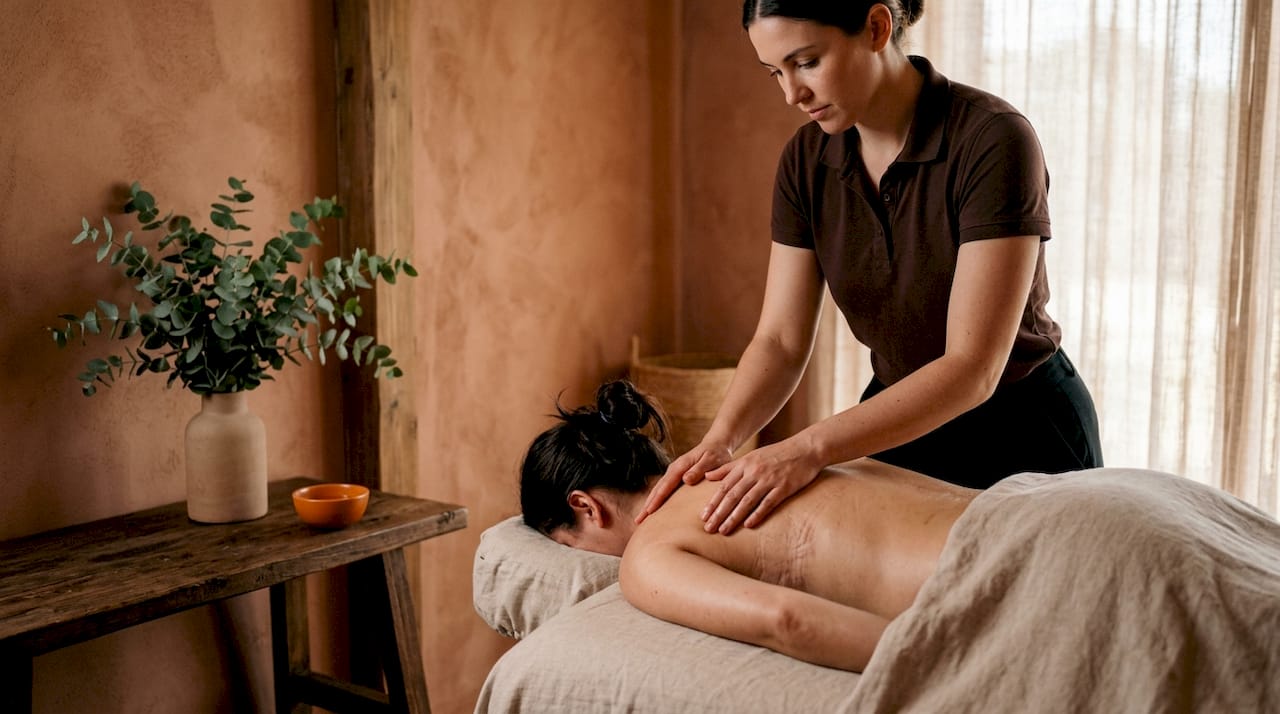
Pro Tip: Ask your therapist which training method they were certified in and how they’ll adjust strokes around any scar tissue you have. A vague answer is a signal to keep looking.
Safe Self-Lymphatic Drainage You Can Do at Home
Self-massage won’t replace professional treatment for a diagnosed medical condition, but it’s a legitimate, low-risk habit for general puffiness, sluggish-feeling limbs, or as a between-session supplement once a therapist has taught you the specific pattern for your body.
- Start with diaphragmatic breathing. Lie down or sit comfortably, place a hand on your belly, and take five to ten slow breaths that expand your abdomen rather than your chest. This step primes the thoracic duct and should never be skipped, since it opens the pathway everything else drains into.
- Clear the neck and collarbone area first. Using flat fingers, make gentle, small circular strokes along the sides of your neck and just above your collarbones. This is where facial and upper-body lymph ultimately drains.
- Work face strokes downward and outward. For facial puffiness, use light upward strokes from the jaw to the ear, then guide fluid down the neck toward the collarbone, never the reverse direction.
- For limbs, always work from the torso outward first, then back in. Clear the upper arm or thigh before addressing a swollen hand or ankle, mirroring the proximal-to-distal order a therapist uses.
- Keep pressure light throughout. If your skin reddens deeply or it hurts, you’re pressing too hard. The stretch should feel barely-there.
Hospital patient-education materials, including a self-lymphatic massage guide for the lower body, reinforce this exact sequence: light rhythmic stretching paired with breath work, always moving toward open, healthy drainage paths.
Beyond the strokes themselves, a few daily habits support the same system. Staying hydrated helps lymph fluid flow rather than thicken. Gentle movement, walking, ankle pumps, or light stretching, activates the muscle contractions that act as your body’s natural lymph pump. If you’re using compression sleeves or stockings for a diagnosed condition, wear them as prescribed rather than only when you remember.
Pro Tip: Stop self-massage immediately and call your provider if a limb becomes suddenly hot, red, or more swollen than usual. That combination can signal infection, not something to work through with more massage.
Who Should Avoid Lymphatic Drainage Massage
MLD is gentle, but “gentle” doesn’t mean “risk-free” for everyone. Moving fluid into circulation faster is exactly the problem for certain conditions.
- Active infection or cellulitis. Encouraging fluid movement can help spread infection through the body rather than contain it.
- Untreated congestive heart failure. A heart that’s already struggling to manage fluid volume can be overwhelmed when more fluid re-enters circulation quickly.
- Kidney failure. Kidneys that can’t filter efficiently may not be able to handle the added fluid load.
- Blood clots or deep vein thrombosis. Massage near or over a clot risks dislodging it.
A clinical rundown of MLD contraindications lists these as the standard hard stops taught in professional training, and any qualified therapist should screen for them before your first session.
Beyond who should avoid MLD entirely, expect a few normal short-term effects if you’re cleared for treatment. Increased urination in the following day or two is common and expected, since mobilized fluid returns to your bloodstream and eventually your kidneys process it out. Some patients notice mild changes in blood pressure as circulating fluid volume shifts, which is one reason therapists monitor at-risk patients closely during and after sessions.
If you have any of the conditions above, or you’re managing high blood pressure, a clotting disorder, or you’re pregnant, get written clearance from your doctor before your first appointment. Bring that documentation, along with a list of current medications and any relevant surgical reports, to your intake consultation.
How Long Do the Results Last, and What Does Ongoing Care Look Like?
For healthy people using MLD for cosmetic puffiness, the effect shows up almost immediately and fades within a short period, typically days. That’s not a flaw in the technique. It’s simply your lymphatic system doing its normal job again once the manual assist stops. The fluid you moved was never staying gone.
For chronic lymphedema, the calculus is different. The underlying vessel or node damage doesn’t reverse, so MLD functions as ongoing management rather than a cure. A realistic long-term routine typically includes:
- Regular MLD sessions with a certified therapist, often tapering in frequency as swelling stabilizes.
- Daily use of compression garments or bandaging to maintain gains between sessions.
- Targeted, low-impact exercise that activates the muscle pump supporting lymph flow.
- Periodic re-evaluation with your therapist to track limb measurements and adjust the plan.
Meaningful improvement for lymphedema patients looks like a measurable reduction in limb circumference, less tightness or heaviness, and fewer flare-ups, tracked over weeks, not a single dramatic before-and-after photo. If you’re not seeing any shift after a reasonable course of consistent sessions and home care, that’s the point to revisit your plan with your therapist rather than assume MLD “isn’t working.”
Separating the Evidence From the Hype
The clearest myth to retire is the idea that lymphatic drainage massage flushes toxins out of your body or melts away fat. Neither is accurate. Your liver and kidneys handle toxin filtering; MLD moves fluid, not metabolic waste, and the temporary slimming you might see on the scale is water leaving tissue, not fat leaving your body.
Cedars-Sinai’s clinical guidance on the technique is direct on this point: MLD mobilizes fluid through the lymphatic system, and any weight change you notice afterward reflects that fluid shift, not fat loss or detoxification. The temporary look of a slimmer face or leg the same day comes from reduced fluid retention, not tissue change.
That framing lines up with what Cedars-Sinai’s patient-facing FAQ tells patients directly, and it’s worth sitting with before you book a session expecting a detox reset. The same skepticism applies to a lot of the wellness-adjacent weight-loss claims floating around online right now. If you’ve seen influencers tie drinking hot water or similar simple rituals to dramatic weight loss, the pattern of overpromising is nearly identical.
Where the evidence genuinely holds up:
- Reduction of lymphedema-related swelling, supported by clinical practice and management guidelines used at major cancer centers.
- Faster resolution of post-surgical edema, when used as part of a coordinated recovery plan.
- Short-term reduction of facial or limb puffiness in healthy people, understood as temporary.
Where you should be skeptical:
- Any claim that MLD produces permanent body contouring or fat loss.
- Marketing that frames MLD as a general “detox” for people with no underlying swelling condition.
- Promises of dramatic, lasting cellulite elimination from a handful of sessions.
Reporting from outlets like National Geographic’s look at what lymphatic massage actually does echoes the same conclusion clinicians reach: real benefit for people with a diagnosed reason to need it, modest and temporary benefit for everyone else. If you’re weighing MLD alongside other post-procedure recovery options, it helps to see where it fits among broader skin and cosmetic procedure choices rather than treating it as a stand-alone miracle step.
When to See a Doctor and How to Choose a Qualified Therapist
Certain symptoms mean you should stop researching massage techniques and call your doctor instead. Sudden, one-sided swelling, especially in a leg, paired with warmth, redness, or pain, could signal a blood clot and needs urgent evaluation. Fever alongside swelling can point to infection. Rapid, unexplained swelling anywhere on the body, particularly if you also feel short of breath, warrants immediate medical attention rather than a massage appointment.
Once you’ve ruled out anything urgent and you’re looking for a provider, use this checklist:
- Ask about certification specifically for lymphedema treatment, not just general massage licensure. A certified lymphedema therapist typically completes at least 135 hours of specialized training beyond standard massage school.
- Ask which MLD method they trained in (Vodder, Földi, or Casley-Smith are the recognized schools) and how long they’ve treated your specific condition.
- Request a referral from your surgeon or oncologist if your swelling followed cancer treatment or surgery, since many hospitals maintain lists of vetted lymphedema specialists.
- Bring your surgical history, current medication list, and any imaging or lab results related to your condition to the first appointment so the therapist can build an informed plan.
Why Stacyknows Draws a Hard Line Between Medical MLD and Beauty Trends
I’ve watched enough wellness trends cycle through to know the pattern: a legitimate clinical technique gets repackaged as a miracle beauty hack, and the nuance gets lost. Lymphatic drainage massage is a case study in that exact problem. It’s genuinely valuable for people managing lymphedema or surgical recovery, and genuinely overhyped when it’s sold as a weight-loss or detox shortcut to people with a perfectly healthy lymphatic system.
Stacyknows covers beauty and wellness because we’re curious about it too, not because every trend deserves a strong opinion. We’ve reported on treatments from TriLift beauty parties to at-home skin routines with the same rule: enjoy the ritual if it feels good, but don’t confuse a temporary depuff with a medical fix. If something feels off with persistent swelling, that’s a conversation for your doctor, not a spa menu.
— Stacy
Where to Find Vetted Beauty and Wellness Picks on Stacyknows
If lymphatic drainage massage has you thinking more broadly about your self-care routine, our Beauty Secret Finds hub rounds up products we’ve actually vetted, from depuffing tools to skincare that pairs well with a gentler approach to facial care. It’s a good next stop if you’re building a routine rather than chasing a single trend.

We also keep a running collection of practical wellness tips covering everything from hydration habits to movement routines that support the same lymphatic health this article walks through. None of it replaces a doctor’s visit, and we say that plainly because it matters: use these pages to find products and habits worth trying, and use a licensed clinician for anything that looks or feels like a medical issue. Start with the Beauty Secret Finds page if you want a quick, curated place to browse before your next self-care purchase.
This article is general information, not a substitute for advice from a qualified doctor. Consult a qualified healthcare professional about your own circumstances before acting on anything here.
Sources
- The utility of lymphatic massage in cosmetic procedures (PMC article)
- UHN: How to do self lymphatic massage on your lower body (PDF)
Recommended
- Your Complete Body Exfoliation Routine for Softer Skin – Stacyknows
- The Science of Spongilla: A Needle-Free Approach to At-Home Microneedling – Stacyknows
- Understanding The Link Between Your Lifestyle And Skin Health – Stacyknows
- Tummy Tuck vs Liposuction: What’s the difference? – Stacyknows
