
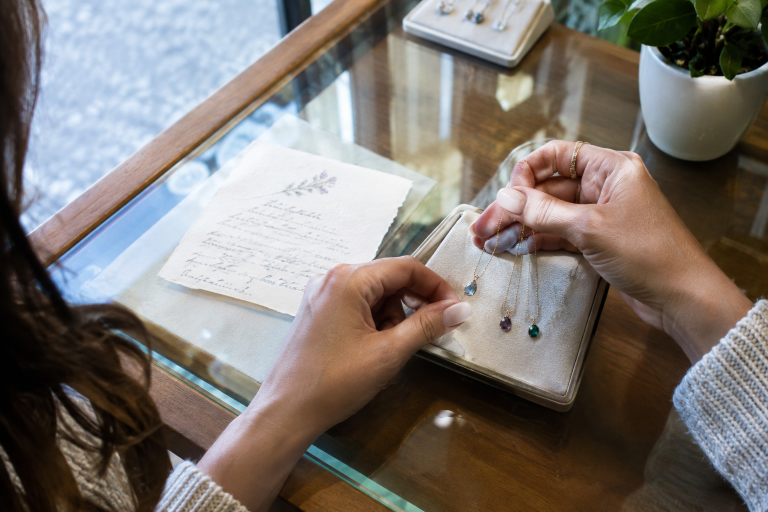
Meaningful jewelry is rarely defined by its size, price, or how quickly it catches the eye. A small pendant can recall a favorite shoreline, a ring can mark a new chapter, and a bracelet can quietly represent the people someone loves most. The strongest choices begin with a story, then pair that story with a design the wearer will genuinely enjoy. In many cases, the most successful pieces feel personal without needing to explain themselves to everyone else. Their significance can remain private, known only to the person wearing them and the people connected to the memory. Whether the goal is a personal purchase or a thoughtful gift, handcrafted island-inspired fine jewelry can offer a useful reminder that jewelry often carries a sense of place as well as personal style. A keepsake does not need to commemorate a major life event. It may simply reflect a color, symbol, or memory worth carrying every day. Choosing with that intention can make the process feel less focused on finding the “perfect” object and more focused on finding a piece that feels naturally connected to its future owner.
Why Meaning Matters More Than Size
Jewelry becomes personal because it can hold a connection to people, places, rituals, and milestones. A modest charm chosen after a memorable trip may mean more to its owner than a larger piece selected without a personal reason. Visual appeal matters, but a piece with a story adds an extra layer of value that grows with use and memory. It can also become part of a routine: a necklace worn each morning, a ring turned thoughtfully during a busy day, or earrings chosen for important gatherings. That sense of meaning also explains the appeal of symbolic details. Recent jewelry trend coverage has highlighted the continuing interest in birth flowers and signet rings, two design directions that make it easier to turn an everyday accessory into something individual. The best symbol is not necessarily the most elaborate one. It is the one that feels authentic to the wearer. A symbol can be literal, such as an initial or a flower, or more subtle, such as a wave-shaped detail that recalls a favorite coast.
Start With Personal Style
Before choosing a gemstone, engraving, or setting, look closely at what the wearer already reaches for. A meaningful design should feel at home in a jewelry collection rather than stay in a box because it is too formal, too heavy, or simply unfamiliar. Everyday preferences often reveal more than a single special-occasion outfit. Notice whether the person repeats a favorite necklace length, wears the same metal tone consistently, or prefers clean lines over decorative details.
Personal Style Checklist
- Notice whether the person wears jewelry daily, occasionally, or only for special events.
- Look for a preference for classic, modern, delicate, bold, or artistic designs.
- Check the metal colors they wear most often, such as yellow gold, white gold, rose gold, or silver.
- Consider comfort details, including necklace length, earring weight, ring width, and bracelet movement.
- Choose a design that complements existing pieces instead of relying only on a passing trend.
- Pay attention to whether they layer several pieces or prefer a single, simple focal point.
- Think about practical details, such as whether they regularly wear gloves, exercise, travel, or work with their hands.
Use Birthstones With Purpose
Birthstones can represent more than the wearer’s own birthday. They may honor a child, partner, parent, sibling, or close friend, or mark an anniversary or a meaningful month. The history of birthstone traditions also shows that monthly stone associations have changed across places and time, so there is room to choose an alternative stone that better fits a preferred color, budget, or lifestyle. A birthstone can therefore serve as a starting point rather than a strict rule. When combining several stones, give the design room to breathe. A pendant with two or three carefully arranged gems may feel clearer than one crowded with every possible symbol. Also consider practical needs. Stone hardness, setting style, and exposure to impact or chemicals can affect whether a piece is suited to frequent wear. For a design representing several people, a maker may use varied stone shapes, subtle spacing, or a meaningful order rather than placing every element in a single row.
Turn Memories Into Design Ideas
A personal design can begin with one specific prompt. Think about a favorite place, a garden at a family home, a shared hobby, a meaningful season, or a phrase that captures the relationship. The color of the sea, the shape of a leaf, a compass motif, or a simple initial may say enough without turning the piece into a list of symbols. Photographs, postcards, handwritten notes, and even a familiar color palette can be useful references when trying to turn an abstract memory into a wearable idea. Engraving can add privacy and depth through a date, coordinates, a short message, or initials. An inherited gemstone may also be reset into a new piece, allowing an older material to fit a new chapter. The key is focus. One clear memory often creates a more enduring result than several competing ideas. Before finalizing an engraving, it can help to write the words exactly as they will appear and consider how much of the message needs to be visible versus understood only by the wearer.
Look For Quality And Craftsmanship
When jewelry is intended as a keepsake, construction matters as much as appearance. Examine clasps, chain links, stone settings, edges, and finishing. A well-considered piece should feel smooth against the skin, close securely, and hold its stones firmly. Ask about metal purity, disclosed gemstone treatments, warranties, resizing, and available repairs before committing. It is also useful to ask how the piece should be cleaned and whether any features require special attention, particularly if the design includes delicate stones, textured surfaces, or moving components. Handmade jewelry can show small variations that reflect the making process. Those details are not automatically flaws. What matters is careful construction and a finish appropriate for the design. Quality craftsmanship supports everyday confidence and makes future maintenance more straightforward. Clear communication with the jeweler can be especially valuable for custom work, since it helps confirm dimensions, finish, stone placement, and the intended level of durability before the piece is completed.
Choose Jewelry That Fits Real Life
A beautiful piece is more likely to become a true keepsake when it fits the wearer’s routine. Lower-profile pendants, studs, and rings can work well for commuting, office settings, travel, and frequent movement. Highly detailed pieces, long earrings, or elevated stone settings may be better reserved for celebrations or occasions where they can be protected. The goal is not to avoid expressive designs, but to match the design to the moments in which it is most likely to be worn. Consider climate, activity level, and storage habits, too. Someone who layers necklaces may enjoy a lightweight pendant, while someone who prefers one signature accessory may value a substantial yet comfortable ring. The right choice is not the same for everyone. A secure clasp, an adjustable length, or a streamlined setting may seem like small details, but they can make a substantial difference in whether a meaningful piece becomes part of everyday life.
Pick Meaningful Jewelry Gifts
- Begin with the recipient’s routine and the jewelry they already wear.
- Choose an easy-to-wear design with a personal detail, such as a stone, symbol, or engraving.
- Select earrings, pendants, or adjustable bracelets when the ring size is uncertain.
- Confirm ring size before purchasing a ring whenever possible.
- Review exchange, resizing, warranty, and repair policies before giving the gift.
- Include a short note explaining the inspiration if the meaning may not be immediately obvious.
Protect The Story Over Time
Care protects both the material and the memory attached to a piece. Store jewelry separately to reduce scratches and tangles, avoid unnecessary contact with harsh chemicals and perfume, and inspect clasps, prongs, and settings periodically. Cleaning methods should suit the specific metal and gemstone, especially for delicate materials. Keep purchase records, appraisals, and repair notes together so the piece’s history remains easy to preserve. If a piece has sentimental importance, photographing it and documenting an engraving, stone details, or its origin can also help preserve its story for the future.
Avoid Common Buying Mistakes
Common missteps include choosing color without considering durability, buying a style that does not match daily habits, overlooking comfort, and adding too many symbolic details. Pause before purchase and ask: Would this be worn often? Does it reflect a real preference or memory? Is it made for the intended use? Are its care needs clear? Will the design still feel appealing in several years? Taking time to answer these questions can prevent a decision driven solely by a holiday deadline, a display-case impression, or a design that looks appealing but does not feel natural to wear.
Final Thoughts
Meaningful jewelry starts with a clear reason for choosing it. A piece may celebrate a birthday, honor a loved one, recall a favorite place, or express the wearer’s everyday style. When personal meaning, thoughtful craftsmanship, comfort, and proper care come together, jewelry becomes more than an accessory. It becomes a keepsake with a story worth carrying forward. The most lasting choice is often one that feels appropriate not only on the day it is received, but also in the ordinary moments that follow.
