
Just when we thought we had enough health terms to keep track of, another one is suddenly everywhere: hantavirus.
Between cruise ship headlines, TikTok panic, and dramatic news alerts, people are understandably asking:
“What exactly is this thing?”
So let’s break it down StacyKnows style — smart, calm, a little funny, and without turning this into a full-blown apocalypse movie.
First: What Is Hantavirus?
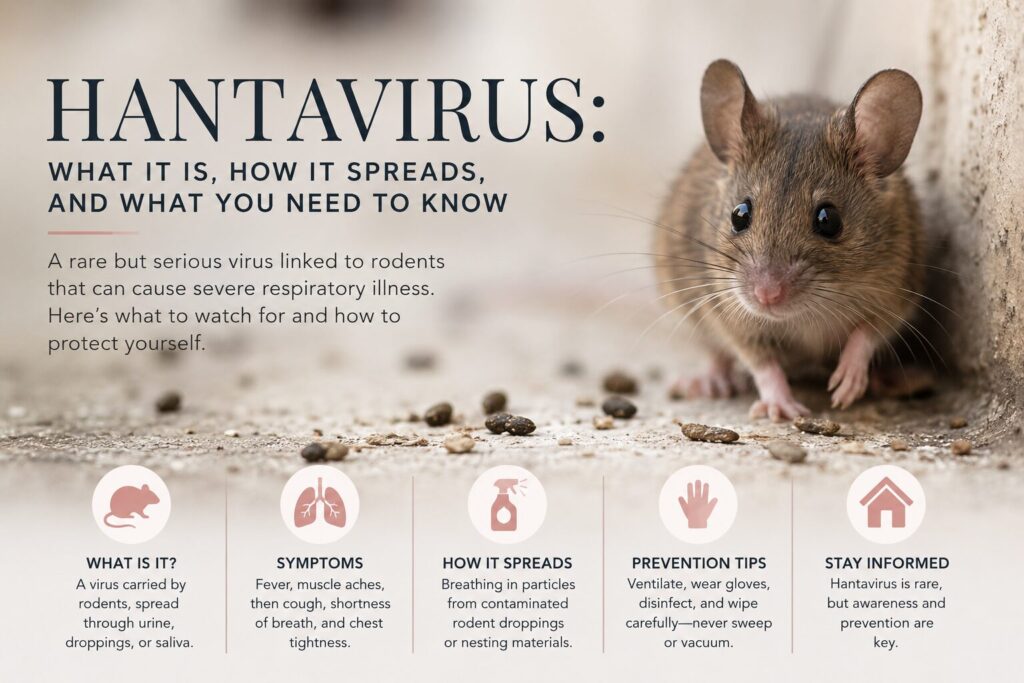
Hantavirus is a rare virus carried mainly by rodents, especially certain types of mice. Humans can become infected when they breathe in tiny airborne particles from:
- rodent droppings
- urine
- saliva
Which means this is officially the least glamorous thing you can catch while cleaning your garage.
In the United States, hantavirus can cause a serious illness called Hantavirus Pulmonary Syndrome (HPS), which affects the lungs and can become severe very quickly.
The good news?
It’s still considered very rare.
Like:
“Getting a last-minute reservation at Rao’s” rare.
Why Is It Suddenly in the News?
A luxury expedition cruise traveling near Argentina is now linked to a suspected hantavirus outbreak involving multiple illnesses and deaths.
Health officials are monitoring passengers from several countries, including the United States, after concerns about possible exposure onboard.
And because 2026 apparently enjoys keeping us humble, this particular strain — called the Andes strain — is unusual because it may spread from person to person in limited situations.
Most U.S. hantavirus cases do not spread between humans.
So no, your SoulCycle instructor isn’t giving you hantavirus.
How Do People Usually Get It?
Most infections happen when people disturb areas where rodents have been living.
Think:
- garages
- attics
- basements
- sheds
- storage units
- cabins
- campers
Basically anywhere with:
“Boxes nobody has touched since Obama was president” energy.
When droppings or nesting materials get swept or vacuumed, tiny contaminated particles can become airborne and inhaled.
Which brings us to the most shocking discovery of all…
Apparently You’re NOT Supposed to Sweep Mouse Droppings
I know.
Every clean freak just fainted.
The CDC actually recommends:
- opening windows first
- ventilating the area
- wearing gloves
- spraying everything with disinfectant
- letting it soak
- carefully wiping instead of sweeping or vacuuming
So for once in our lives, aggressively cleaning is not the answer.
Honestly, somewhere Marie Kondo is deeply conflicted.
Symptoms to Watch For
Early symptoms often feel flu-like:
- fever
- muscle aches
- chills
- headaches
- fatigue
- nausea
Then it can suddenly progress into:
- coughing
- chest tightness
- difficulty breathing
If someone develops these symptoms after rodent exposure, doctors say they should seek medical care quickly.
Translation:
If you cleaned out a mouse-filled shed all weekend and now feel like you got hit by a Citi Bike, don’t ignore it.
Should You Panic?
No.
Health officials continue to say the overall public risk remains low, and hantavirus cases are still extremely uncommon.
But it is a good reminder to:
- take rodent infestations seriously
- seal holes around your home
- clean carefully
- wear gloves when dealing with droppings
- maybe stop pretending that mysterious corner of the garage is “fine”
The Most StacyKnows Takeaway?
Adulthood is basically learning increasingly specific survival tips nobody warned us about.
This week’s lesson:
“Do not dry sweep mouse poop.”
Beautiful.
We’re all thriving.
