
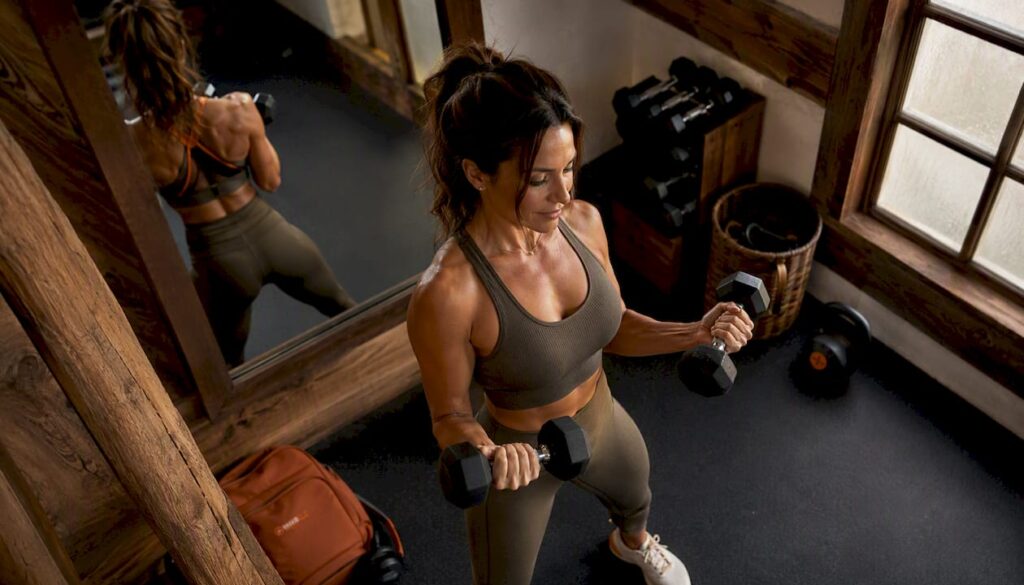
Yes, creatine monohydrate is appropriate and beneficial for most healthy adult women. The evidence is clear: this is one of the most studied sports supplements in existence, and the research on female-specific outcomes has grown substantially over the past decade. The International Society of Sports Nutrition recognizes creatine monohydrate as safe and effective for improving exercise performance, and clinical health systems like Cedars-Sinai highlight its potential for supporting muscle preservation and cognitive health in women, particularly as they age.
Who benefits most from creatine supplementation?
- Women who resistance train regularly (strength gains appear within weeks)
- Women in perimenopause or post-menopause (muscle, bone, and cognitive support)
- Women following plant-based diets, who tend to have lower baseline creatine stores
- Women seeking modest cognitive support, especially during hormonal transitions
The one group that should pause before starting: women who are pregnant or breastfeeding, or who have kidney disease. For everyone else, the evidence points in a consistent direction.
Key finding: A landmark lifespan review published in Nutrients found that females have lower endogenous creatine stores than males on average, which means women may actually stand to gain more from supplementation, not less.
What does creatine actually do for a woman’s body?
Creatine is a naturally occurring compound your body makes from amino acids, and it’s stored primarily in muscle tissue as phosphocreatine. During intense exercise, phosphocreatine donates a phosphate group to replenish ATP, the molecule your muscles use for energy. More available ATP means more power output, faster recovery between sets, and less fatigue during high-intensity work.
For women specifically, the practical benefits span several areas:
- Strength and power output: Creatine consistently improves performance in resistance training, sprinting, and high-intensity intervals, with effects on strength becoming detectable after a few weeks of consistent use.
- Muscle preservation: Particularly relevant for women over 40, creatine helps slow the age-related loss of muscle mass (sarcopenia) when paired with resistance training.
- Bone health: Combined with resistance training, creatine may support bone mineral density, an outcome with real clinical relevance for post-menopausal women at elevated fracture risk. This benefit requires longer-term use, typically months, not weeks.
- Cognitive function: Emerging evidence suggests creatine supports brain energy metabolism, with modest but meaningful benefits for memory and processing speed, especially in women experiencing hormonal shifts.
- Mood and mental resilience: Some trials have reported improvements in mood and reduced fatigue in perimenopausal and older women, likely tied to creatine’s role in brain energy availability.
- Recovery: Faster muscle recovery between sessions means you can train more consistently, which compounds the strength and body composition benefits over time.
Statistic to know: The Nutrients lifespan review found that short-term high-dose creatine loading improved strength and functional test performance in post-menopausal women in several trials, with benefits appearing most reliably when supplementation was paired with a structured resistance training program.
The benefits that show up fastest are strength and exercise performance, often within several weeks. Bone density changes require longer interventions and are most meaningful when combined with progressive resistance training.
What does the research actually show about creatine and women?
The science has matured considerably. Earlier creatine research focused almost exclusively on male athletes, but a growing body of female-specific trials and reviews now gives a clearer picture.

Pre-menopausal women
Studies in younger women consistently show that creatine supplementation improves strength, power output, and lean mass when combined with resistance training. A 2021 systematic review in Nutrients confirmed these effects and noted that women’s lower baseline creatine stores may make supplementation particularly impactful. Importantly, more recent clinical trials have begun controlling for menstrual cycle phase, and the results hold: creatine helps mitigate performance dips tied to hormonal fluctuations across cycle phases, not just during the follicular phase when estrogen is higher.

Post-menopausal women
This is where the evidence gets especially compelling. Post-menopausal women face accelerated muscle loss, declining bone density, and often cognitive changes. The Nutrients review found that short-term high-dose loading protocols improved strength and functional performance in post-menopausal participants. When creatine was combined with resistance training, the benefits for muscle and bone outcomes were more pronounced than either intervention alone.
Cognition and mood
“Creatine supports metabolism and physical function, particularly when combined with strength training — it’s not inherently a ‘bulking’ agent.”
— Tracy Zaslow, MD, sports medicine physician at Cedars-Sinai
Brain-focused trials have used higher doses to saturate brain creatine stores. In older and perimenopausal women, these protocols have shown modest but meaningful improvements in memory, processing speed, and mood. The cognitive evidence is promising, though researchers note that sample sizes in these trials are still relatively small and longer studies are needed.
The strongest, most actionable evidence points
- Creatine plus resistance training improves strength in pre-menopausal women more reliably than resistance training alone.
- Post-menopausal women show functional performance gains with short-term high-dose protocols.
- Cognitive benefits appear most clearly in older women and those experiencing hormonal transitions.
- Plant-based eaters show larger relative gains because their dietary creatine intake is near zero.
- Bone density benefits require long-term use (six-plus months) combined with structured resistance training.
Common study limitations: Many trials use small samples (20–50 participants), variable dosing protocols, and short durations of eight to twelve weeks. The field is moving toward larger, longer, female-specific designs, and the direction of evidence is consistent even where effect sizes vary.
Is creatine safe for women? What side effects should you expect?
For healthy adult women at evidence-based doses, creatine has an excellent safety record. Long-term reviews have found no increased risk of kidney or liver damage in people without pre-existing conditions. That said, knowing what to expect in the first few weeks makes the experience much less confusing.
Common, generally benign effects
- Intramuscular water retention: During a loading phase, muscles draw water in as creatine saturates them, leading to a temporary weight increase that is not fat gain. The water is inside muscle cells, which is exactly where you want it.
- Transient GI upset: Some women experience bloating, cramping, or loose stools, usually during a loading phase with large single doses. Splitting doses into smaller amounts (5 g four times daily rather than 20 g at once) typically resolves this.
- Minor weight fluctuation: The scale may tick up slightly and then stabilize. This reflects muscle hydration, not adipose tissue.
Who should consult a clinician before starting
- Pregnant or breastfeeding women (insufficient safety data; avoid without medical clearance)
- Women with diagnosed kidney disease or reduced kidney function
- Women taking medications that affect renal function, including diuretics, NSAIDs used regularly, or certain antibiotics
- Women with a history of kidney stones
Red flags: when to stop and call your provider
- Significant swelling in the legs or face
- Decreased urine output or dark urine
- Persistent nausea or vomiting beyond the first week
- Unusual muscle pain unrelated to training
Pro Tip: Always choose a creatine product with NSF Certified for Sport or Informed Sport certification. The FDA does not strictly regulate supplements, and third-party certification is the clearest signal that what’s on the label is actually in the bottle, with no contaminants or banned substances.
How should women take creatine? Dose, form, and timing
The gold-standard form
Creatine monohydrate is the form used in the vast majority of research, and it remains the most cost-effective option. Micronized creatine monohydrate reduces particle size for better solubility and tends to cause less GI discomfort than coarser powders. There is no strong evidence that newer, more expensive forms (creatine HCl, buffered creatine, ethyl ester) outperform plain monohydrate.

Dosing options
| Approach | Dose | Timeline to effects | Notes |
|---|---|---|---|
| Maintenance (no loading) | 3–5 g/day | 3–4 weeks | Simplest; same endpoint as loading |
| Loading then maintenance | ~0.3 g/kg/day (~20 g/day split) loading phase, then 3–5 g/day maintenance | 1 week | Faster saturation; higher GI risk |
| Post-menopausal / trial protocol | 0.3 g/kg/day short-term | 1–2 weeks | Used in clinical trials; consult clinician |
| Cognitive focus | Loading to 15–20 g/day, then 5–10 g/day | 2–4 weeks | Brain saturation requires higher doses |
Practical tips
- Timing is flexible. Taking creatine at the same time each day matters more than whether it’s pre- or post-workout. Consistency is the variable that drives results.
- Mixing: Micronized powder dissolves well in warm water, coffee, or smoothies. Cold water takes longer to dissolve and may leave grit.
- Capsules vs. powder: Capsules are convenient but require more pills to hit a 5 g dose. Powder is cheaper per gram and easier to adjust.
- Hydration: Drink adequate water, especially during a loading phase, to support muscle hydration and kidney function.
Pro Tip: Skip the “women-specific” blends that add cranberry extract, dandelion root, or folate. These additions don’t enhance creatine’s effects and often cost significantly more. Pure creatine monohydrate plus a solid resistance training program is the evidence-backed combination.
If you’re curious about alternative delivery formats, Stacyknows has a detailed look at creatine gummies for readers who prefer that format.
How does creatine interact with your menstrual cycle, pregnancy, and menopause?
Female physiology adds layers of nuance that most general creatine guides skip entirely. Here’s what the research says by life stage.
Menstrual cycle
Estrogen influences creatine synthesis and transport. During the luteal phase (the two weeks before your period), some women notice reduced power output and slower recovery. Recent trials that controlled for cycle phase found that creatine supplementation can help buffer these performance dips, supporting more consistent training across the full month. This is a relatively new area of research, but the direction is encouraging.
Pregnancy and breastfeeding
Do not take creatine during pregnancy or breastfeeding without explicit clinician approval. There is insufficient safety data for these populations, and the precautionary principle applies. If you were taking creatine before becoming pregnant, discuss with your OB whether to pause.
Perimenopause and menopause
This is arguably the life stage where creatine offers the most meaningful benefits. Declining estrogen accelerates muscle loss, weakens bones, and can affect mood and cognitive sharpness. Creatine, when paired with resistance training two to three times per week, addresses several of these changes simultaneously. Post-menopausal women in clinical trials have shown improvements in strength, functional performance, and in some studies, markers of bone health.
For perimenopausal readers looking for real-world context, Stacyknows has a personal-journey piece on what one woman added to her morning routine during this transition.
Life-stage quick reference
- 20s–30s (pre-menopausal, active): 3–5 g/day maintenance; pair with resistance training for strength and performance gains.
- 30s–40s (pre-menopausal, plant-based diet): Same dose; expect larger relative gains due to lower dietary creatine baseline.
- 40s–50s (perimenopausal): 3–5 g/day; prioritize resistance training two to three times per week; monitor mood and energy as secondary outcomes.
- 50s+ (post-menopausal): Consider short-term higher-dose protocols (0.3 g/kg/day) under clinician guidance; combine with structured resistance training for bone and muscle outcomes.
Common myths women worry about, and what the evidence says
The “bulking supplement” reputation has kept a lot of women away from creatine for no good reason. Here’s where the fears come from and what’s actually true.
-
Myth: Creatine will make you bulky. Creatine does not cause large muscle hypertrophy on its own. Building significant muscle mass requires progressive resistance training, a caloric surplus, and time. Creatine supports the process, but it’s not a shortcut to a physique you don’t want. Most women using creatine with moderate training notice improved tone and strength, not dramatic size changes.
-
Myth: The weight gain is fat. The scale increase in the first one to two weeks of a loading phase reflects intramuscular water retention, not fat. Muscle cells draw in water as they saturate with creatine. This is a functional change, and it stabilizes quickly.
-
Myth: Creatine damages your kidneys. In healthy adults at recommended doses, long-term reviews have found no evidence of kidney damage. The concern originated from a misunderstanding: creatine metabolism increases creatinine levels in blood tests, which can look alarming but does not indicate kidney harm. Women with pre-existing kidney disease should still consult a clinician before use.
-
Myth: Creatine is only for men or serious athletes. The research increasingly shows that women, particularly older women and those in hormonal transitions, may benefit as much or more than male athletes. Functional independence, bone health, and cognitive support are outcomes that matter across the lifespan, not just in a gym.
-
Myth: Creatine causes hair loss. This concern traces back to a single small study that found elevated DHT (a hormone linked to hair loss) after creatine loading in male rugby players. No study has replicated this finding in women, and no clinical evidence links creatine supplementation to hair loss in females. The connection remains speculative and unestablished.
A practical 12-week starter plan for women beginning creatine
Starting creatine doesn’t need to be complicated. This plan gives you a clear structure, realistic expectations, and the right checkpoints.
Weeks 0–1: Before you start
- Review your current medications and supplements with a pharmacist or clinician, especially if you take diuretics, NSAIDs regularly, or have any kidney history.
- If you have risk factors for kidney disease (diabetes, hypertension, family history), ask your doctor for a baseline creatinine and eGFR blood panel.
- Choose a third-party certified creatine monohydrate (NSF Certified for Sport or Informed Sport label).
- Decide: loading phase or straight maintenance? Loading speeds saturation but increases GI risk. Maintenance is gentler and reaches the same endpoint in three to four weeks.
- Set a baseline: note your current strength benchmarks (e.g., squat weight, push-up count) and energy levels.
Weeks 1–4: Getting started
- Loading (optional): Take a loading dose split into multiple smaller doses for several days, followed by maintenance dosing.
- Maintenance: Take 3–5 g once daily at a consistent time. Mix into warm water, coffee, or a smoothie.
- Pair with resistance training two to three times per week. Creatine’s benefits are significantly amplified by exercise.
- Aim for adequate protein intake (0.7–1 g per pound of body weight is a reasonable target for active women).
- Drink enough water throughout the day, particularly during a loading phase.
- Track weekly: strength progress, recovery between sessions, energy levels, and scale weight (without alarm if it ticks up slightly).
Weeks 5–12: Evaluate and adjust
- By week four to six, most women notice measurable strength improvements. If you don’t, check consistency: creatine only works if taken daily.
- If your primary goal is cognitive support, consider maintaining at 5 g/day and evaluating mood, focus, and mental fatigue at the eight-week mark.
- At week 12, reassess your benchmarks. Compare strength, recovery, and energy to your week-zero baseline.
- If you experienced persistent GI discomfort, try switching to micronized creatine or reducing to 3 g/day.
- Schedule a follow-up blood panel if you had baseline labs drawn, particularly if you are post-menopausal or have any kidney risk factors.
Monitoring checklist:
- Weekly strength benchmark (e.g., heaviest set, rep count at a given weight)
- Recovery quality (soreness duration, readiness for next session)
- Energy and mood (especially relevant for perimenopausal women)
- Scale weight (expect a small increase in weeks 1–2; should stabilize)
- GI comfort (any persistent bloating or cramping warrants a dose adjustment)
For a broader look at how to interpret conflicting creatine advice from different sources, Stacyknows has a useful creatine advice overview that cuts through the noise.
Does creatine interact with common female medications or supplements?
Most women taking creatine at standard doses won’t experience meaningful drug interactions, but a few combinations deserve attention.
Diuretics: Creatine promotes intramuscular water retention. Taking it alongside diuretics (prescribed for hypertension, edema, or heart conditions) creates competing effects and may stress kidney function. This combination warrants a conversation with your prescribing physician.
NSAIDs (ibuprofen, naproxen): Occasional use is generally fine, but regular NSAID use reduces kidney blood flow. Combined with creatine, which increases the kidneys’ creatinine processing load, regular NSAID use is worth flagging with your doctor.
Caffeine: Early research suggested caffeine might blunt creatine’s ergogenic effects, but more recent reviews have not confirmed this interaction at typical dietary doses. Your morning coffee is not a problem.
Hormonal contraceptives and HRT: No established interaction with creatine. Women on oral contraceptives or hormone replacement therapy can use creatine without known concern, though this area has limited dedicated research.
Protein supplements and amino acids: No negative interactions. Creatine and protein powders are commonly used together and work through different mechanisms.
Collagen supplements: Increasingly popular among women for joint and skin health. No known interaction with creatine; both can be taken together without issue.
If you’re on GLP-1 medications and wondering how creatine fits in, Stacyknows has a dedicated piece on creatine and GLP-1s that addresses this specific combination.
Can creatine help with PCOS or osteoporosis?
These are two female-specific conditions where creatine’s effects are worth understanding, even though the research is still developing.
PCOS (polycystic ovary syndrome)
PCOS affects roughly one in ten women of reproductive age and is associated with insulin resistance, difficulty building and maintaining lean muscle, and increased fatigue during exercise. Creatine’s mechanism, improving ATP availability and supporting muscle energy metabolism, is theoretically relevant here. Women with PCOS who resistance train may find creatine helps them get more out of their sessions, which in turn supports insulin sensitivity and body composition. However, dedicated RCTs in PCOS populations are limited. The current evidence is mechanistically plausible but not yet clinically definitive. If you have PCOS and are considering creatine, discuss it with your endocrinologist or gynecologist, particularly if you are also managing insulin resistance with metformin or other medications.
Osteoporosis and bone health
This is where the evidence is more developed. Post-menopausal women face accelerated bone loss as estrogen declines, and fracture risk becomes a genuine health concern. The Nutrients lifespan review found that creatine combined with resistance training showed positive effects on bone mineral density markers in several trials. The mechanism involves creatine supporting the energy demands of osteoblasts (bone-building cells) and enhancing the mechanical loading stimulus from resistance training.
Creatine alone is not a treatment for osteoporosis. It works as an adjunct to resistance training and should not replace calcium, vitamin D, or prescribed medications like bisphosphonates. But for women who are already resistance training and want to maximize the bone-protective effect of that training, creatine is a reasonable addition to discuss with their care team.
Women over 50 looking for a broader framework for health and wellness at this life stage may find Stacyknows’ beauty and wellness guide for women over 50 a useful companion read.
What does long-term creatine use look like for women?
One of the most common questions is whether creatine is safe to take indefinitely, or whether cycling on and off is necessary. The short answer: long-term daily use is supported by the evidence, and cycling is not required.
Creatine does not build tolerance in the way stimulants do. Your muscles maintain elevated phosphocreatine stores as long as you supplement consistently. Stopping creatine causes stores to return to baseline over two to four weeks, and the strength and performance benefits gradually fade with them. There is no physiological reason to cycle off unless you choose to.
Long-term safety data is reassuring. Studies following participants for up to five years have not found evidence of kidney or liver harm in healthy adults. The key qualifier is “healthy adults at recommended doses.” Women with kidney disease, or those who develop kidney issues over time, should revisit their creatine use with their physician.
Practically, long-term use looks like this: 3–5 g of creatine monohydrate daily, taken consistently, paired with regular resistance training. Annual bloodwork that includes kidney function markers (creatinine, BUN, eGFR) is a sensible precaution for anyone taking any supplement long-term, not just creatine.
One nuance worth knowing: if you stop resistance training for an extended period (injury, life disruption), creatine’s benefits diminish because the exercise stimulus is what drives most of the muscle and bone outcomes. The supplement amplifies training; it doesn’t replace it.
For women interested in how creatine fits into a broader wellness routine, the Repbeats training and recovery blog covers how training variables like music, intensity, and recovery protocols interact with supplementation strategies.
This article provides general health information, not medical advice. Confirm any supplement decisions with your physician or a registered dietitian, especially if you have existing health conditions or take prescription medications.
Creatine deserves a second look from women
There’s something a little frustrating about how long it took the fitness world to take creatine seriously as a women’s health topic. For decades, the marketing pointed at men lifting heavy things, and women were quietly told this wasn’t for them. The science tells a different story.
What strikes me most about the research is how well creatine maps onto the specific challenges women face across their lives: the performance dips tied to hormonal cycles, the muscle loss that accelerates after menopause, the cognitive fog that can settle in during hormonal transitions. These aren’t fringe concerns. They’re things millions of women navigate every day, often without much support.
Stacyknows covers creatine because it fits squarely into what we care about: practical, evidence-grounded wellness that respects women’s intelligence and doesn’t talk down to them. You don’t need a “women’s blend” with cranberry extract. You need clear information, a quality product, and a resistance training habit. That’s it.
If you’re exploring supplements as part of a broader wellness approach, our practical wellness tips page is a good place to browse, and our beauty and product finds section includes trusted picks across health and lifestyle categories. For personal medical questions, your clinician is always the right first call.

Annotated references and further reading
-
International Society of Sports Nutrition: Creatine Safety and Efficacy — (PMC) — Consensus position paper from the ISSN establishing creatine monohydrate as safe and effective; basis for dosing guidance and long-term safety claims.
-
Should You Take Creatine? Benefits, Risks and Uses — (Cedars-Sinai) — Clinical health system explainer including Dr. Tracy Zaslow’s perspective on creatine’s safety profile, population-specific benefits, and cautions for pregnancy and kidney disease.
Recommended
- Top 4 Sources for Creatine Advice 2026 – Stacyknows
- ? Should You Be Taking Creatine? Here’s the Real Deal – Stacyknows
- Why Is My Entire Feed Suddenly About Creatine? And Should Women on GLP-1s Actually Be Taking It? – Stacyknows Why Women on GLP-1s Are Suddenly Talking About Creatine
- Best Creatine Gummies in 2026: Ranked and Reviewed – Stacyknows
