
Key Takeaways
- Start with comfort, intended use, and clear material information.
- Non-porous materials are generally simpler to clean and inspect.
- Cleaning, storage, and lubricant choices should match the product’s instructions.
- Shared products require clear communication, cleaning, and fresh barriers when appropriate.
- Cracks, stickiness, strong odors, damaged wiring, and repeated irritation are reasons to stop using a product.
- Clear labeling, realistic claims, and a practical care routine can make a product easier to use with confidence over time.
Intimate wellness is personal, and a thoughtful choice does not require a complicated routine or a large collection. Whether someone is browsing an intimate apparel retailer or comparing a personal wellness product elsewhere, the most useful starting point is the same: choose something that suits comfort, needs, and personal boundaries. It can also help to remember that preferences vary widely. A product that feels simple, approachable, and easy to care for may be a better fit than one with many features that are unnecessary or difficult to maintain.
In 2026, shoppers have more options than ever, but appearance, price, and broad words such as “premium” or “natural” do not tell the whole story. Clear details about materials, intended use, cleaning, charging, storage, and warranty support can help people make a calmer and more informed decision. Reading the full listing instead of relying only on product photos can reveal useful details, including whether a product has a removable charging cable, what accessories are included, and whether the seller provides accessible instructions after purchase.
Why Product Information Matters
A well-described product makes it easier to understand what it is made for and how it should be maintained. It should address a genuine comfort, relaxation, body-awareness, or intimacy goal, rather than encourage buying features that will never be used. A simple product that fits into a person’s routine is often more practical than a complicated device with unfamiliar settings. Good product information also helps a shopper plan ahead: they can determine whether a product needs batteries, whether it should be stored separately, and whether its controls are likely to be manageable during use.
Transparent information is particularly useful for first-time buyers. Rather than assuming a product will work for everyone, look for descriptions that explain dimensions, operating methods, power source, water resistance, and care needs in straightforward language. If important questions remain unanswered, contacting the seller or choosing a more clearly documented option can prevent frustration later.
Step One: Decide What the Product Should Do
Before comparing materials or features, identify the main purpose. This reduces guesswork and helps keep the search focused. Having a clear purpose can also make it easier to set a realistic budget, since the best choice is not necessarily the one with the highest number of settings or the most elaborate design.
- Personal relaxation or body awareness
- External stimulation
- Massage or sensory play
- Intimate comfort
- Partnered intimacy
Consider practical details as well. Think about size, shape, noise level, controls, portability, charging needs, and how much time will realistically be spent cleaning and storing the item. For example, someone who travels frequently may prioritize a compact design and a secure storage pouch, while someone who wants a product for occasional home use may prefer simple controls and an easy-to-clean surface. It is also reasonable to prioritize a product that has an intuitive on-and-off function and instructions that are easy to understand.
Step Two: Check the Material Before Buying
Material affects feel, durability, cleaning, and lubricant compatibility. In basic terms, non-porous surfaces do not readily absorb moisture, while porous surfaces can have tiny openings that make thorough cleaning more difficult. A general overview of intimate product materials can help shoppers recognize the range of products available, but manufacturer instructions should guide care for a specific item. Material information should be specific enough to help a shopper understand the product itself, rather than relying only on a broad category name or a vague safety claim.
Common Material Considerations
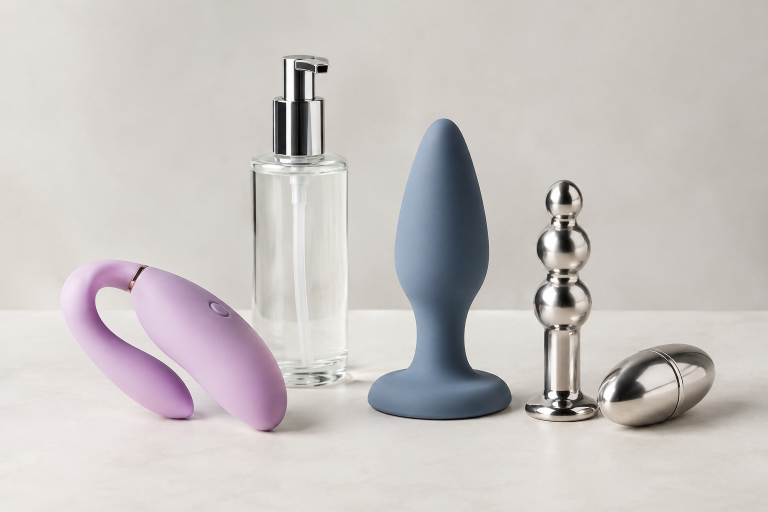
- Silicone: Often smooth and flexible. Look for a manufacturer that identifies the material clearly and provides care guidance.
- Glass and stainless steel: Usually non-porous and easy to inspect for damage, although each product’s instructions should determine whether heat-based cleaning is appropriate.
- Hard plastic: Can be non-porous, but cleaning and water resistance vary by construction.
- Porous materials: May require extra care, a compatible barrier, or replacement sooner if the surface changes.
“Body-safe” is a useful marketing phrase only when it is supported by specific material information. If a listing does not identify the exact material or provide clear care instructions, consider choosing a product with more transparent details. It is also worth checking whether the material description applies to the entire product or only to the outer surface, especially when a product includes seams, decorative coatings, attachments, or electronic components.
How to Read Product Claims With Care
- Confirm that the manufacturer identifies the product’s material.
- Read cleaning, charging, and storage instructions before purchasing.
- Check warnings about water exposure, batteries, heat, and charging ports.
- Be cautious about claims that promise to treat pain, infection, dryness, or another medical condition.
- Compare the product listing with the instructions included by the manufacturer.
It can be helpful to distinguish between comfort-focused language and medical promises. Terms such as relaxation, massage, or personal enjoyment describe intended experiences, while claims about diagnosing, preventing, or treating health conditions should be approached with particular caution. A listing should not make someone feel pressured to self-treat a symptom that needs professional attention.
An intimate wellness product is not a substitute for medical care. Ongoing pain, irritation, unusual discharge, bleeding, or other persistent symptoms deserve attention from a qualified healthcare professional.
Cleaning Basics for Different Product Types
Follow the manufacturer’s instructions first, particularly for electronic products. In many cases, warm water and mild, unscented soap are appropriate for approved waterproof surfaces, followed by thorough drying. Avoid perfumes, bleach, abrasive scrubbers, and household disinfectants unless the maker specifically directs their use. Cleaning should be done before the first use as well as after use, because dust, packaging residue, or contact during shipping may leave a product needing a basic wash.
- Waterproof silicone: Clean as directed, then dry completely before storage.
- Glass or stainless steel: Wash carefully and inspect for chips, cracks, or rough edges.
- Rechargeable products: Keep charging contacts and ports dry unless the product is explicitly designed for submersion.
- Porous products: Follow the stated care method and consider a barrier when appropriate.
After cleaning, allow the product to air-dry fully or pat it dry with a clean, lint-free cloth if the instructions allow. Putting an item away while damp can create an unpleasant storage environment and may make it harder to notice changes in the surface later. A quick visual inspection during cleaning is useful because it gives the owner a regular opportunity to notice damage before the next use.
Lubricant Compatibility and Comfort
Water-based lubricant is often a flexible starting point because it is compatible with many materials and barrier methods. Silicone-based lubricants may not be suitable for every silicone product, so check both labels before use. Oil-based products can damage latex barriers, which makes label-reading especially important when condoms are part of the plan. If trying a new lubricant, use only the amount needed for comfort and pay attention to how both the product surface and the body respond.
Comfort is the priority. Stop using a product if there is burning, pain, numbness, rash, or unusual irritation. Do not try to push through discomfort, and do not use a product to cover up an ongoing health concern. Going slowly, using adequate lubrication when desired, and choosing a product size or shape that feels manageable can support a more comfortable experience.
Safe Sharing and Partner Communication
When products are used with a partner, discuss boundaries before introducing anything new. Consent should be clear, mutual, and easy to withdraw at any point. Practical sexual health guidance explains that sharing can transfer body fluids, and that using a fresh barrier between users can help reduce that risk. Conversations do not need to be formal or complicated; they can include simple questions about comfort, preferred pace, and whether either person wants to stop or change course.
Clean products between users, and use a new barrier when moving between partners or body areas. Do not move an item from anal use to vaginal or oral use without thorough cleaning or a fresh barrier. Products should support connection and curiosity, never create pressure. If one person is uncertain, pausing and discussing the concern is more important than continuing with a planned activity.
When to Replace an Intimate Wellness Product
Remove a product from use if it develops visible cracks, tears, chips, rough edges, a sticky surface that remains after washing, a persistent chemical smell, or notable changes in color or texture. For electronic items, damaged charging parts, exposed wiring, or unusual overheating are also reasons to stop using the product. Replacing a damaged item is safer than attempting a repair that could leave the surface or electrical components compromised. Do not use a product with a loose battery cover, swollen battery area, or a charging cable that no longer fits securely.
Storage Tips and Common Mistakes to Avoid
- Clean and dry products fully before putting them away.
- Store them in a cool, dry, dark place, ideally in a clean pouch or separate container.
- Avoid pressing soft products against one another for long periods.
- Do not ignore a product’s waterproof rating or charging instructions.
- Do not share without cleaning or a fresh barrier when needed.
Separate storage can also reduce dust buildup and help prevent surfaces from rubbing against each other. Keep products away from direct sunlight, high heat, and places where they could be accidentally damaged or exposed to moisture. For rechargeable items, follow the manufacturer’s guidance on charging frequency and avoid storing them with a damaged cable or adapter.
A Simple Five-Minute Buying Checklist
- What is this product designed to do?
- What exact material is it made from?
- How should it be cleaned, charged, and stored?
- Is it compatible with the planned lubricant or barrier?
- Does the seller provide realistic claims and clear instructions?
If the answer to several of these questions is unclear, it may be worth pausing before buying. A little extra research can be more useful than choosing quickly based on a sale, a product photo, or an unfamiliar marketing term. Keep any included instructions in a place where they can be reviewed later, particularly for products with charging requirements or special cleaning directions.
Conclusion
Body-safe intimate wellness comes down to clear information, realistic expectations, careful cleaning, and respect for personal comfort. By focusing on purpose, materials, compatibility, hygiene, and consent, shoppers can choose products that feel practical, comfortable, and easier to maintain over time. The goal is not to find a universally perfect product, but to make an informed choice that fits individual needs, supports comfort, and can be used and cared for responsibly.
