

A foodie is a person who actively pursues culinary knowledge, unique dining experiences, and food culture far beyond casual eating. The term has evolved from casual enjoyment to a complex identity involving travel, creativity, and a genuine desire to understand what is on the plate. Today’s culinary enthusiast studies ingredient origins, seeks out hidden local gems, and treats every meal as a chance to learn something new. If you have ever planned a trip around a restaurant reservation or spent a Saturday morning at a farmers market just to find the right tomato, you already know what this feels like.
1. What are the best foodie destinations in the world?
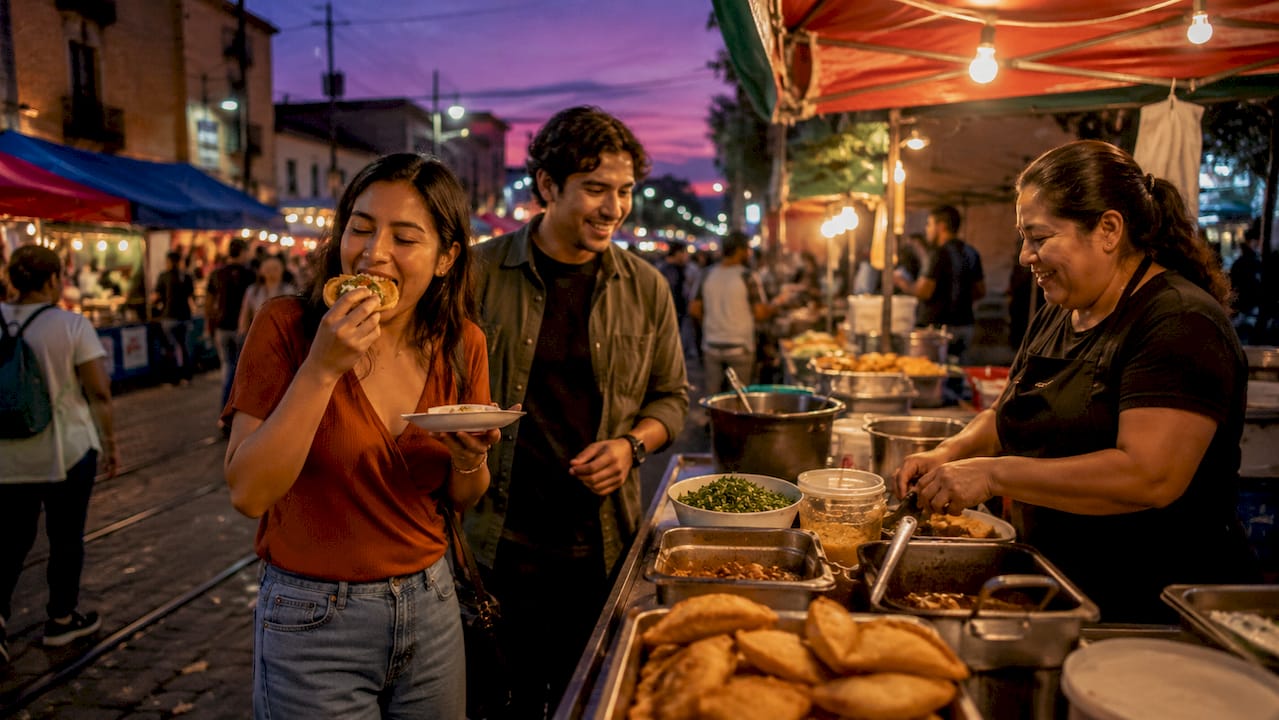
The cities that earn top marks from culinary enthusiasts share one quality: they make food a living, breathing part of daily culture. Lima, Bangkok, and Mexico City consistently rank among the world’s best food cities, and each one earns that reputation differently. Lima built its reputation on Nikkei cuisine, a fusion of Japanese and Peruvian traditions that no other city replicates. Bangkok delivers complexity in a single bowl of noodles. Mexico City offers everything from street-side tlayudas to tasting menus that rival anything in Europe.
The broader list of top global food cities also includes New York, Hong Kong, and Medellín. That range matters. It shows that great food culture is not limited to European capitals or Michelin-starred corridors. What these cities share is a commitment to local ingredients, generational technique, and chefs who take risks.
| City | Signature Experience | Why Foodies Love It |
|---|---|---|
| Lima | Nikkei and ceviche culture | Fusion depth and fresh seafood |
| Bangkok | Street food and regional Thai | Flavor complexity at every price point |
| Mexico City | Tacos, mole, and fine dining | Tradition meets modern creativity |
| New York | Global cuisine in one borough | Unmatched diversity and access |
| Hong Kong | Dim sum and Cantonese roasting | Technique and heritage in every bite |
| Medellín | Bandeja paisa and emerging chefs | Underrated scene with serious momentum |
What to look for when choosing your next food city:
- Local markets where chefs actually shop
- Neighborhoods with multigenerational family restaurants
- A street food scene that runs past midnight
- Chefs who trained locally, not just abroad
Stacyknows covers hidden food trails that go beyond the obvious tourist spots, which is exactly where the best meals tend to happen.
2. What modern recipes and culinary trends should you explore?
Culinary enthusiasts who want to stay sharp are paying attention to three shifts right now: technique, technology, and plant-based creativity. Sous-vide cooking, once reserved for restaurant kitchens, is now accessible to serious home cooks. The method involves sealing food in a bag and cooking it in a precisely temperature-controlled water bath. The result is consistency that traditional stovetop cooking rarely delivers.
AI-powered tools are changing how people find and use recipes. AI apps now convert social media food videos into structured, editable recipes, which removes one of the biggest barriers between watching a dish and actually cooking it. That shift is meaningful. It means a recipe spotted on a video platform at 11 PM can become dinner the next night without any guesswork.
Trends worth adding to your cooking rotation:
- Fusion cooking: Combining Japanese and Mexican flavors, or Indian spices with Italian pasta, produces dishes that feel genuinely new
- Elevated comfort food: Think French onion soup dumplings or truffle mac and cheese. Familiar formats, unexpected execution
- Plant-based proteins: Products like Impossible Meat are reshaping how culinary enthusiasts think about texture and flavor without animal protein
- Fermentation at home: Kimchi, kefir, and sourdough are no longer niche. They are now standard in serious home kitchens
Pro Tip: When trying a new technique like sous-vide, start with chicken breast. It is forgiving, the results are dramatic, and it will convince you the method is worth the investment.
AI translation tools also support recipe discovery across languages. Recipes translate across seven languages including Spanish, French, Italian, and German, which opens up an enormous catalog of regional dishes that English-only platforms miss entirely.
3. How has digital culture changed the foodie experience?
The relationship between food and social media has gone through a full cycle. A decade ago, photographing every dish felt like participation in a community. Now, foodie culture is shifting from public performance to private, routine dining focused on nourishment and personal care. Eating without documentation is becoming the new norm for the most serious culinary enthusiasts.
That shift is not a loss. It is a maturation. Food in contemporary youth culture still serves as self-expression and community building, but the spaces where that happens are getting smaller and more intentional. Private supper clubs, niche newsletters, and closed cooking groups are replacing the broad-audience food post.
How digital behavior is evolving among culinary enthusiasts:
- Moving from large public platforms to smaller, curated communities
- Prioritizing experience over documentation during meals
- Seeking out local food events rather than viral restaurant trends
- Using digital tools to cook more at home, not just to discover restaurants
The foodie label itself is fading even as food enthusiasm persists. The term became so widely used that it lost its meaning. What replaced it is behavior without a label: people who cook seriously, eat thoughtfully, and share selectively. That is a healthier relationship with food culture than the performative version it replaced.
4. What are the best foodie gift ideas?
The best gifts for culinary enthusiasts support experimentation, expand knowledge, or create a memorable experience. A gift that does all three is rare, but it exists. The key is understanding whether the person you are buying for is a home cook, a restaurant explorer, or both.
Budget-friendly options (under $50):
- A high-quality carbon steel pan, which develops a natural nonstick surface over time
- A spice subscription box featuring single-origin spices from regions like Aleppo, Urfa, or Calabria
- A well-reviewed cookbook focused on a specific cuisine or technique, such as fermentation or regional Mexican cooking
Mid-range options ($50–$150):
- An immersion circulator for sous-vide cooking at home
- A guided food tour in your city or a city the recipient plans to visit
- A premium olive oil sampler from producers in Crete, Tuscany, or Andalusia
Premium options ($150 and above):
- A hands-on cooking class with a local chef, ideally focused on a cuisine the recipient wants to master
- A curated tasting menu reservation at a restaurant with a waiting list
- A high-end Japanese knife, which changes the experience of prep work entirely
True culinary enthusiasts prioritize understanding ingredient sources and quality over casual brand familiarity. A gift that reflects that value, like a single-origin ingredient or an experience tied to a specific food tradition, lands differently than a generic kitchen gadget.
Pro Tip: If you are buying for someone who already has every kitchen tool, give them an experience. A private cooking class or a reservation at a restaurant they have been watching is worth more than any piece of equipment.
5. How do serious foodies find local culinary events?
Finding great food events near you requires knowing where to look beyond the obvious. Most cities have a food event calendar buried inside local alt-weekly publications, neighborhood newsletters, or community boards. The best events rarely advertise widely because they sell out before they need to.
Serious culinary enthusiasts avoid large chain and corporate restaurant events in favor of authentic, local, and hidden culinary experiences. That same instinct applies to events. A pop-up dinner hosted by a local chef in a warehouse is almost always more interesting than a branded food festival with a $40 entry fee.
Places to find genuine local food events:
- Local chef Instagram accounts, which often announce pop-ups days before they happen
- Neighborhood Facebook groups and community apps
- Independent food newsletters written by local critics or enthusiasts
- Culinary school open events and alumni dinners
- Farmers markets, which frequently host seasonal tastings and chef demonstrations
Stacyknows tracks food trends for 2026 and highlights local experiences worth planning around, which is a useful resource when you want to stay ahead of what is happening in your city.
6. What separates a true culinary enthusiast from a casual food lover?
The difference is not about spending more money or eating at fancier restaurants. The most knowledgeable foodies have quieted their public food discourse. They cook seriously, eat thoughtfully, and rarely feel the need to announce it. That quietness is actually the marker of depth.
A casual food lover enjoys a great meal and moves on. A culinary enthusiast asks where the fish came from, how the sauce was built, and whether the chef trained in a specific regional tradition. That curiosity is the core trait. It shows up in how they shop, how they cook, and how they choose where to eat.
Food culture content is produced mainly by the middle segment of food enthusiasts. The deepest knowledge tends to stay private. The people who know the most are often the quietest online, which means the loudest food voices are not always the most informed ones.
Stacy’s take on what foodie culture is really becoming
The word “foodie” always made me a little uncomfortable, even when I used it myself. It felt like a membership badge more than a description. You wore it to signal that you cared more than average, that you had opinions about olive oil and knew the difference between a ramen broth built over 12 hours and one that came from a packet.
What I have noticed over the past few years is that the people I find most interesting to eat with have stopped using the label entirely. They are not performing their food knowledge. They are just cooking, eating, and occasionally texting you a photo of something they made at midnight because they could not sleep and wanted to try a new lamination technique on croissant dough.
That shift from public performance to private pleasure is the healthiest thing that has happened to food culture in a long time. The pressure to document every meal, to post before the food gets cold, to build a personal brand around your taste. It was exhausting. And it was getting in the way of actually tasting anything.
My advice: find the people who eat slowly, ask questions, and never once mention their follower count at the table. Those are your people. The rest is just content.
— Stacy
Stacyknows has more for curious culinary minds
Food passion does not stop at the kitchen door. The best culinary enthusiasts are curious about everything: wellness, beauty, lifestyle, and the connections between them.

Stacyknows curates lifestyle content that speaks to that same curiosity. Whether you are looking for curated lifestyle finds that complement a food-forward life, or you want to read about the wellness trends shaping how we eat and live in 2026, Stacyknows covers it with the same depth and honesty you expect from a trusted friend who happens to know a lot. Explore the site and find what resonates.
FAQ
What is a foodie, exactly?
A foodie is a culinary enthusiast who actively seeks out unique dining experiences, studies cooking techniques, and engages with food culture beyond casual eating. The term has evolved to describe people who treat food as a form of knowledge and self-expression.
What are the top foodie destinations right now?
Lima, Bangkok, Mexico City, New York, and Hong Kong consistently rank among the world’s best cities for food, each offering distinct culinary traditions and innovative dining scenes.
How is foodie culture changing in 2026?
Foodie culture is shifting away from public performance and social media documentation toward quieter, more personal culinary appreciation. Smaller food communities and private dining experiences are replacing broad-audience food content.
What makes a great foodie gift?
The best gifts for culinary enthusiasts support experimentation or create a memorable experience. Cooking classes, single-origin ingredients, immersion circulators, and premium knives consistently rank as top choices across all budgets.
How do I find foodie events near me?
Local chef social media accounts, independent food newsletters, farmers markets, and community apps are the most reliable sources for authentic culinary events. The best pop-ups and dinners rarely advertise widely before selling out.
Recommended
- StacyKnows | Connecting Cool People to Cool Things – Stacyknows
- Forks & Footprints: Discovering Culture Through the World’s Hidden Food Trails – Stacyknows
- Cool Birthday Gift Ideas for Your Man – Stacyknows
- A Taste of Piedmont: What To Pack for a Late Fall Trip
