

The landscape of beauty and personal enhancement has undergone a profound transformation. What was once exclusively the domain of invasive surgical procedures has expanded to embrace a holistic approach, blending surgical interventions with an array of sophisticated minimally invasive and non-invasive treatments. This evolution reflects a growing demand for subtle, natural-looking results, reduced downtime, and personalized care. From advanced surgical techniques that sculpt and redefine, to the nuanced artistry of dermal fillers and neuromodulators, the focus is increasingly on enhancing natural features while prioritizing patient safety and comfort. This includes a rise in specialized services, such as Cosmetic aesthetics lash tint, which offer targeted enhancements for a polished, low-maintenance look.
The Shift Toward Minimally Invasive Cosmetic Surgery and Aesthetics
The past few decades have witnessed a significant shift from extensive surgical procedures to a preference for minimally invasive treatments. This trend is largely driven by advancements in technology and a greater understanding of facial anatomy and aging processes. Dermal fillers, for instance, have revolutionized the way we address volume loss and facial contours, offering immediate results with minimal recovery time. Similarly, neuromodulators effectively smooth wrinkles and fine lines, providing a refreshed appearance without surgical intervention.
Patient safety remains paramount, with rigorous protocols and advanced techniques ensuring that these procedures are not only effective but also carry reduced risks. The emphasis on shorter recovery timelines means individuals can often return to their daily activities almost immediately, making these treatments highly appealing for busy lifestyles. The goal is to achieve natural, harmonious results that enhance one’s inherent beauty rather than drastically altering it.
Technological Advancements in Cosmetic Surgery and Aesthetics
Innovation is at the heart of this evolving field. Modern medical aesthetics harnesses cutting-edge technologies to deliver precise and effective treatments. Laser technology, for example, is used for skin resurfacing, hair removal, and addressing pigmentation concerns. Ultrasound therapy offers non-invasive skin tightening, while radiofrequency devices stimulate collagen production for improved skin elasticity.
Digital imaging and advanced diagnostic tools allow practitioners to create highly customized treatment plans, offering clients a clear visualization of potential outcomes. Precision tools, often guided by artificial intelligence, enable greater accuracy and consistency in procedures, further enhancing safety and efficacy. These technological leaps are not only refining traditional cosmetic surgery but also expanding the possibilities of non-invasive enhancements, creating a future where personalized and effective beauty solutions are more accessible than ever before.
Non-Invasive Enhancements: The Science of Lash Tinting
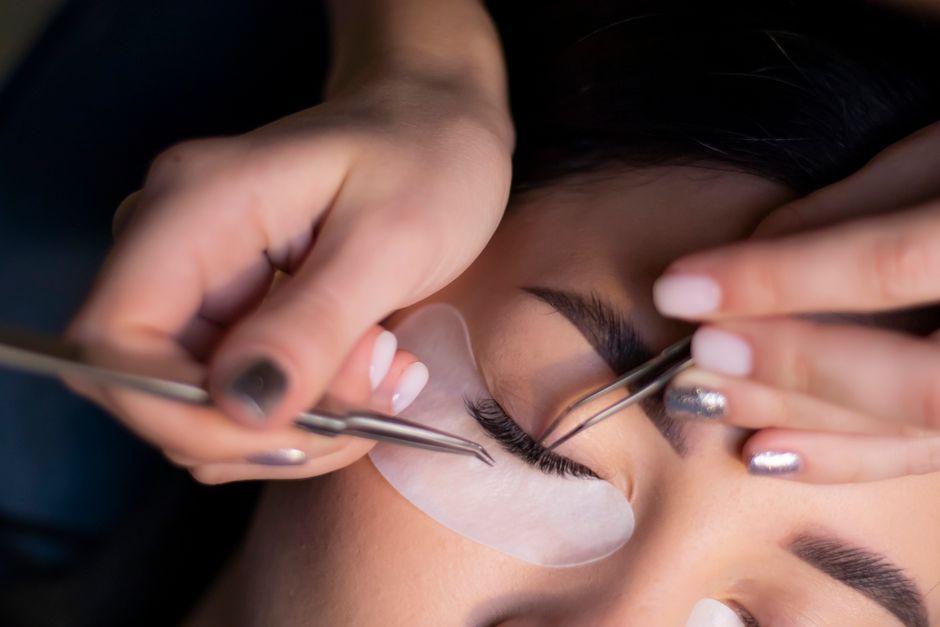
Amidst the array of advanced aesthetic treatments, certain non-invasive enhancements stand out for their simplicity and transformative impact. Lash tinting is a prime example, offering a convenient and effective way to enhance the natural beauty of the eyes. This semi-permanent treatment darkens natural eyelashes, providing definition and depth without the daily need for mascara. It’s a testament to how targeted, low-maintenance procedures can significantly impact one’s overall appearance and confidence.
Understanding the Lash Tinting Process
Lash tinting is a cosmetic procedure that involves applying a specialized, semi-permanent dye to your natural eyelashes. The primary goal is to make them appear darker, fuller, and more defined. This treatment is particularly beneficial for individuals with light-colored lashes, as it makes them more visible and creates the illusion of greater length and volume.
The process typically begins with a thorough cleansing of the eye area to remove any makeup, oils, or residue. Next, a protective barrier cream is applied to the skin around the eyes, and cotton pads or shields are placed under the lower lashes to prevent the dye from staining the skin. The professional then carefully mixes the chosen tint color with a developer, often a gentle hydrogen peroxide solution. Common tint ingredients can include vegetable-based pigments, and some newer formulations, like those using silver nitrate dyes, have even received specific FDA approval for lash and brow tinting, though regulations vary by state. For more detailed information on lash tinting, including its benefits and how it works, you can explore comprehensive guides like The Ultimate Guide to Lash Tinting.
The tint is then meticulously applied to the lashes from root to tip. The processing time usually ranges from 5 to 10 minutes, depending on the desired intensity of the color and the specific product used. After the development period, the dye is gently removed with damp cotton pads, and the lashes are neutralized. The entire process is relatively quick, often taking only about 15-30 minutes from start to finish.
The longevity of a lash tint is directly tied to your natural lash growth cycle. Eyelashes, like all hair, grow and shed in cycles (anagen, catagen, and telogen phases). As new, un-tinted lashes grow in and old, tinted ones fall out, the color will gradually fade. This typically means the tint will last between four to six weeks, making regular touch-ups necessary to maintain the desired look.
Ideal Candidates and Aesthetic Benefits
Lash tinting offers a range of aesthetic benefits, making it an excellent option for a diverse group of individuals. The most dramatic results are often seen in those with naturally blonde, light brown, or otherwise light-colored lashes. By darkening these barely-there hairs, tinting makes the lashes more prominent, creating a striking contrast that enhances the eyes. Even individuals with darker lashes can benefit, as tinting can darken lighter tips, making the lashes appear longer and more uniform.
Beyond color enhancement, lash tinting provides several practical advantages:
- Smudge-Proof and Waterproof Definition: Unlike mascara, which can smudge, flake, or run, a lash tint offers truly waterproof and smudge-proof color. This makes it ideal for active individuals, swimmers, or those who live in humid climates, as it eliminates the worry of “raccoon eyes.”
- Time-Saving Routines: For many, the daily application of mascara is a time-consuming step in their beauty routine. Lash tinting frees up valuable minutes each morning, allowing you to wake up with defined, ready-to-go lashes.
- Contact Lens Wearers: Mascara can sometimes cause irritation or deposit particles into the eyes, which can be particularly problematic for contact lens wearers. Lash tinting provides a solution by offering enhanced lashes without the need for mascara.
- Natural Enhancement: The result of a lash tint is a natural-looking enhancement. It defines the eyes without the heavy, sometimes artificial, look that can come with mascara or lash extensions. It’s a low-maintenance way to achieve a polished appearance.

Comparison of Lash Tinting, Lash Lifts, and Lash Extensions
Feature Lash Tinting Lash Lift Lash Extensions Purpose Darkens natural lashes Curls/lifts natural lashes Adds length, volume, and curl Duration 4-6 weeks 6-8 weeks 2-4 weeks (with fills) Process Time 15-30 minutes 45-60 minutes 1.5-3 hours (initial) Maintenance Low (regular re-tinting) Low (regular re-lifting) High (regular fills, specific aftercare) Cost $25-$75 $75-$150 $150-$300 (initial) + $50-$100 (fills) Who it’s for Light/blonde lashes, active, low-maint. Straight lashes, desire curl, low-maint. Desire dramatic length/volume, high-maint. Risks Allergic reaction, irritation Allergic reaction, over-processing, irritation Allergic reaction, damage to natural lashes Mascara Use Optional, but often not needed Optional, enhances curl Generally not recommended Safety Protocols and Regulatory Landscapes
While lash tinting offers appealing aesthetic benefits, ensuring safety is paramount. The delicate nature of the eye area necessitates strict adherence to safety protocols and an understanding of the regulatory landscape governing such procedures. We believe that informed clients and highly trained professionals are the cornerstone of safe and effective aesthetic treatments. For comprehensive information on eye cosmetic safety, including FDA guidance, we encourage consulting resources like the FDA’s guidance on eye-cosmetic safety.
Managing Risks and Side Effects
The risks associated with lash tinting, though generally low when performed by a qualified professional, can range from mild irritation to more serious complications. Common side effects might include temporary redness, stinging, or watery eyes. More severe reactions, such as allergic reactions, chemical burns, or corneal abrasions, are rare but possible. The American Academy of Ophthalmology highlights that eye injuries from cosmetic procedures can be serious, underscoring the importance of professional application.
One of the most critical steps in mitigating risks is the patch test. We strongly advise that a patch test be performed 24 to 48 hours prior to the full treatment, especially for new clients or if there’s a change in product formulation. This helps identify potential allergic reactions to ingredients like PPD (para-phenylenediamine), a common allergen found in many hair dyes and some lash tints. Sensitization can occur, meaning an individual might develop an allergy to a product they’ve previously tolerated, making consistent patch testing crucial.
Hygiene standards are equally vital. Reputable salons and med spas adhere to strict sanitation protocols, using sterile tools and ensuring a clean environment to prevent infections. The use of products specifically formulated for the delicate eye area, rather than generic hair dyes, is also essential.
The question of whether lash tinting can be done at home often arises. While at-home kits are available, we generally advise against DIY lash tinting due to the significant risks involved. The proximity to the eyes makes self-application particularly hazardous, increasing the likelihood of dye getting into the eyes, leading to irritation, chemical burns, or even vision impairment. Many professionals liken DIY tinting to “playing Russian roulette with your eyes” due to the potential for severe consequences.
Professional Aftercare and Maintenance
Proper aftercare is crucial for both the longevity of your lash tint and the health of your eyes. Following your professional lash tinting service, your technician will provide specific instructions tailored to the products used. Generally, these guidelines include:
- 24-Hour Dry Rule: For the first 24 hours after your treatment, it’s imperative to keep your lashes completely dry. This means avoiding water, steam (from showers, saunas, or hot tubs), sweat, and tears to allow the tint to fully set and bond with the lash hairs.
- Oil-Free Cleansers: After the initial 24-hour period, switch to oil-free cleansers and makeup removers for the eye area. Oil-based products can break down the tint, causing it to fade prematurely.
- Gentle Handling: Be gentle with your lashes. Avoid rubbing your eyes vigorously or using harsh scrubbing motions when cleansing.
- UV Protection: Prolonged exposure to UV rays can cause the tint to fade faster. Wearing sunglasses when outdoors can help protect your tinted lashes.
- Avoidance of Certain Products: Steer clear of waterproof mascaras, as their removal often requires oil-based removers and excessive rubbing. While mascara is often unnecessary after a tint, if you choose to wear it, opt for water-based formulas.
- Lash Serums: Some clients choose to use nourishing lash serums to keep their natural lashes healthy and strong, which can indirectly contribute to the overall appearance of the tint.
- Maintenance Schedule: To maintain consistently dark and defined lashes, we recommend scheduling touch-up appointments every 4 to 6 weeks, aligning with your natural lash growth cycle.
Understanding the ingredients in lash tints is also important for safety. While the FDA has not approved any dyes specifically for permanent eyelash or eyebrow tinting in the United States, professional products are formulated to be safe for use around the eyes. Many reputable brands, such as those discussed in the context of latest research on tint ingredients, offer formulations free from common irritants like PPD, resorcinol, and silver nitrate, adhering to international safety standards. Always discuss any sensitivities or allergies with your technician during your consultation.
Frequently Asked Questions about Lash Enhancements
We often receive questions about lash tinting and how it compares to other popular lash enhancement treatments. Here, we address some of the most common inquiries to help you make informed decisions about your beauty regimen.
How long does a professional lash tint typically last?
A professional lash tint typically lasts between 4 to 6 weeks. This duration is largely influenced by your natural lash growth cycle. Eyelashes naturally shed and regenerate, and as new, un-tinted lashes grow in, the darker, tinted ones will gradually fall out. Factors such as exposure to chlorine, excessive rubbing of the eyes, and the use of oil-based eye products can also affect how quickly the tint fades. To maintain optimal results, we recommend scheduling a maintenance appointment every four weeks.
Is lash tinting safe for contact lens wearers?
Yes, lash tinting is generally safe for contact lens wearers. However, it is crucial to remove your contact lenses before the tinting procedure. This prevents any potential irritation from the dye and ensures your comfort during the application. Once the treatment is complete and the eyes are thoroughly cleansed, you can typically reinsert your lenses. Professional technicians use non-toxic, vegetable-based dyes specifically formulated for the delicate eye area, minimizing the risk of irritation. Always inform your technician if you wear contact lenses or have any eye sensitivities.
Can lash tinting be combined with other treatments?
Absolutely! Lash tinting is frequently combined with other lash and brow enhancement treatments to achieve more dramatic and comprehensive results. The most popular combination is a Lash Lift and Tint. A lash lift perms and curls your natural lashes upwards, making them appear longer and more open. Adding a tint to this treatment darkens the newly lifted lashes, creating an effect similar to mascara and an eyelash curler, but with long-lasting, low-maintenance results. This “dynamic duo” can truly transform your eyes.
Lash tinting can also complement brow lamination for a cohesive facial aesthetic, or even be part of a broader med spa experience that includes Facials or other Medspa Services. When considering combined treatments, always consult with a qualified professional to ensure the procedures are compatible and safe for your specific needs. For more details on maintaining combined results, you might find our guide on Caring for Your Lash Lift helpful.
How much does lash tinting typically cost?
The cost of lash tinting can vary depending on your geographic location, the salon or med spa’s reputation, and the experience of the technician. Generally, you can expect a professional lash tinting service to range from $25 to $75 per session. In major metropolitan areas or at high-end establishments, prices might sometimes exceed $100. While at-home kits are available for a lower upfront cost (typically $10-$30), we strongly recommend professional application due to safety concerns and the expertise required to achieve optimal, even results. When considering the cost, it’s important to weigh the value of professional expertise, safety, and superior outcomes against the potential risks and inconsistent results of DIY methods.
What ingredients are commonly found in lash tints, and are they safe?
Common ingredients in professional lash tints often include vegetable-based dyes, such as those derived from henna, or synthetic dyes like p-Phenylenediamine (PPD), resorcinol, and silver nitrate. These are typically mixed with a developer, often a low-percentage hydrogen peroxide, to activate the color.
Regarding safety, it’s crucial to understand that the FDA has not approved any color additives specifically for permanent eyelash or eyebrow dyeing in the United States. This is a significant point that underscores the importance of choosing a reputable professional who uses products formulated for safe use around the eyes, even if not explicitly FDA-approved for permanent dyeing. Many professional-grade tints are designed to be gentle and are often PPD-free, resorcinol-free, or silver nitrate-free to minimize allergic reactions. Always discuss the ingredients with your technician, especially if you have known allergies or sensitivities. For additional safety insights, resources like www.Lash-Tint.com can provide general information.
What should I look for in a professional lash tinting service or technician?
Choosing the right professional for your lash tinting service is paramount for both safety and satisfaction. Here are key factors to consider:
- Licensing and Certification: Ensure the technician is a licensed esthetician or cosmetologist with specific certification in lash tinting. This indicates they have undergone proper training.
- Experience and Reputation: Look for a technician with a strong portfolio and positive client reviews. A well-reviewed professional is more likely to deliver excellent results and adhere to safety standards.
- Patch Testing Policy: A reputable professional will always insist on a patch test 24-48 hours before your first appointment, or if there’s any change in product. This is a non-negotiable safety measure.
- Hygiene Standards: Observe the cleanliness of the salon or med spa. Sterilized tools, disposable applicators, and a generally sanitary environment are indicators of a professional establishment.
- Consultation Process: A good technician will conduct a thorough consultation, discussing your desired outcome, assessing your natural lashes, and inquiring about any allergies or sensitivities you may have.
- Product Knowledge: The technician should be knowledgeable about the products they use, including ingredients, and be able to explain the process clearly.
- Emergency Protocols: A professional facility should have an emergency eyewash station readily available, demonstrating preparedness for any unforeseen irritation.
- Specialization: Consider services that specialize in lash enhancements, such as those offering a Lash Lift or Best Lash Lift in San Antonio, as they often have extensive experience with related treatments.
Conclusion
The evolution of modern cosmetic surgery and medical aesthetics has brought us to a point where enhancement is less about drastic change and more about refined, personalized care. From advanced surgical techniques to the subtle artistry of a lash tint, the focus is on achieving natural-looking results that boost confidence and simplify daily routines.
As we look to the future of aesthetics, we anticipate continued integration of technology, a stronger emphasis on personalized treatment plans, and a growing demand for sustainable beauty solutions. Whether opting for a sophisticated surgical procedure or a convenient non-invasive treatment like lash tinting, the key lies in informed decisions, professional expertise, and a commitment to safety. We are proud to be part of this exciting journey, helping individuals embrace their unique beauty with confidence and grace.
