

Healthy aging means keeping the functional ability to do what matters to you, not just staying free of disease, according to the World Health Organization. Start with four things: move your body most days, eat protein at every meal, protect your sleep schedule, and keep one steady social connection alive each week. Harvard Medical School calls movement a “master signal” that touches nearly every system in your body, from bone density to brain health, and that single habit alone can carry outsized returns.
Try this today:
- Take a 10 minute walk after lunch or dinner.
- Add a palm-sized portion of protein (eggs, yogurt, beans, fish) to one meal.
- Text a friend or family member to set a recurring weekly call or coffee date.
A CDC review of healthy aging habits found that consistent basics like physical activity, sleep, and routine checkups do more for long-term independence than any single supplement or trend ever will.
What Does Healthy Aging Actually Mean?
Functional ability is the mix of physical and mental capacity that lets you carry groceries, follow a conversation, drive to see grandkids, or garden without pain. The WHO’s framing of healthy ageing and functional ability deliberately shifts the goalpost away from “no diagnoses” and toward “can you still do the things you value.” Someone managing arthritis or high blood pressure can still be aging well if they’re mobile, engaged, and mentally sharp.
This distinction matters because the number of adults over 60 is climbing worldwide, and health systems are shifting focus from simply extending lifespan to extending the years people spend independent and active. The rest of this guide breaks that goal into five practical domains: movement, nutrition, sleep and stress, social and cognitive engagement, and preventive care. Each one has specific, research-backed targets, not vague suggestions.
How Much Exercise Do You Actually Need as You Age?
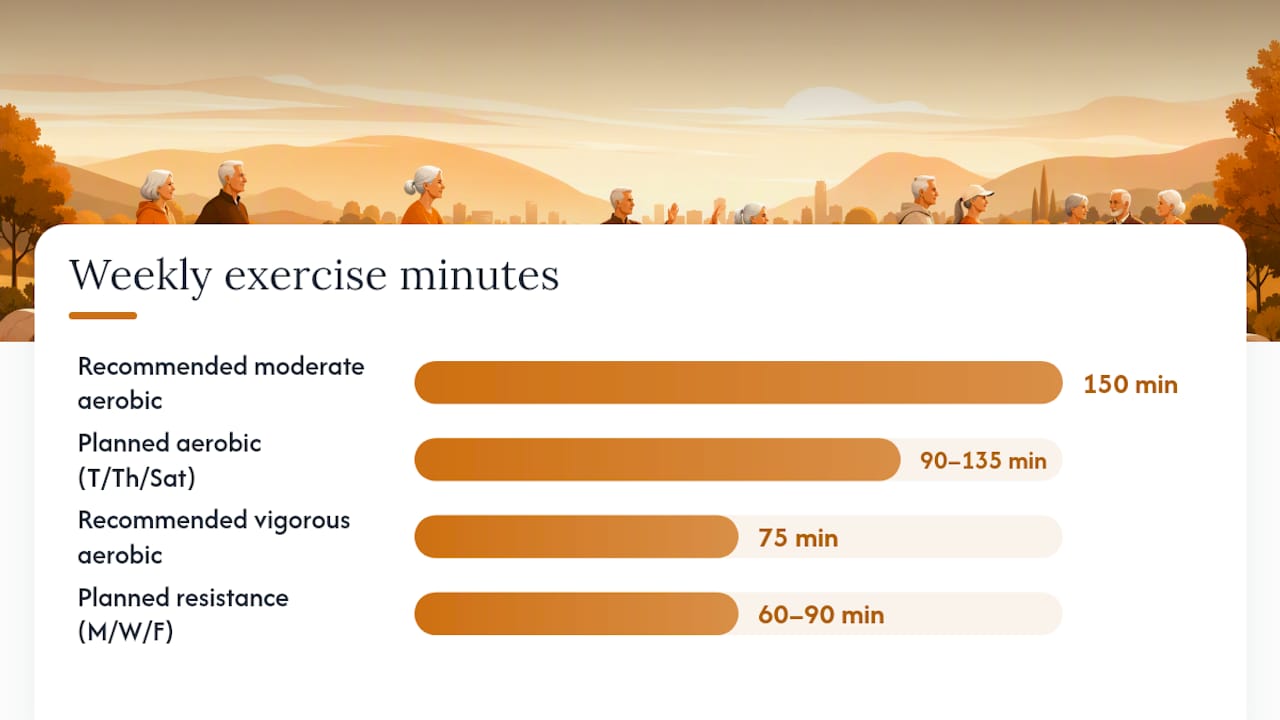
The baseline target hasn’t changed much in years: 150 minutes of moderate aerobic activity or 75 minutes of vigorous activity weekly, plus resistance training twice a week. That resistance piece is the one most people over 40 skip, and it’s arguably the most important. Muscle mass declines naturally with age, and strength training is the most direct lever you have to slow that decline.
Movement functions like a “master signal” for the body, according to Harvard Health, influencing insulin sensitivity, bone density, and even brain function through shared biological pathways. That’s why a brisk walk does more than burn calories. It also nudges nearly every organ system in a healthier direction.
Protein and exercise work together. Adults over 40 generally need more protein relative to their body weight than younger adults to maintain the same muscle mass, with many clinicians recommending roughly 1.0 to 1.2 grams per kilogram of body weight daily. Skip the protein and the strength training won’t stick as well.
You don’t need a gym membership to hit these targets. Here’s a realistic weekly structure:
- Monday, Wednesday, Friday: 20 to 30 minutes of resistance work (bodyweight squats, resistance bands, or light dumbbells).
- Tuesday, Thursday, Saturday: A 30 to 45 minute walk, bike ride, or swim.
- Every day: Stand up and move for two to three minutes every hour you’re seated, since breaking up long sitting periods measurably improves blood sugar and blood pressure responses.
Pro Tip: If you’re new to resistance training, start with bodyweight moves and focus on slow, controlled form before adding weight. A single session with a physical therapist or certified trainer to check your technique is worth far more than months of guessing on your own.
What Should You Eat to Support Healthy Aging?
No single food determines how well you age, but consistent dietary patterns do. Mediterranean-style eating, the DASH diet, and the MIND diet all show up repeatedly in research tied to lower rates of chronic disease and better cognitive outcomes. What they share matters more than their differences: plenty of vegetables, fruit, whole grains, legumes, fish, and olive oil, with red meat and processed food kept to the margins.

A simple mental model works better than counting macros. Fill half your plate with vegetables and fruit, a quarter with whole grains, and a quarter with lean protein. Small swaps compound over time: brown rice instead of white, olive oil instead of butter, fish twice a week instead of once a month.
Protein deserves special attention as you get older. The same 1.0 to 1.2 grams per kilogram target from the exercise section applies here, and spreading it across three meals (rather than loading it all at dinner) helps your body actually use it for muscle repair. For a 150 pound adult, that’s roughly 70 to 82 grams of protein a day, split into 20 to 30 gram portions per meal.
A few other essentials often get overlooked:
- Hydration: Thirst signals weaken with age, so drink water on a schedule rather than waiting to feel thirsty.
- Alcohol: Keep it limited, since even moderate drinking interacts with sleep quality and medication effectiveness.
- Vitamin D and calcium: Bone density support becomes more important after 50, especially for those with limited sun exposure.
Pro Tip: Keep frozen vegetables, canned beans, and canned salmon stocked at all times. They’re just as nutritious as fresh versions and turn a “too tired to cook” night into a five minute, plant-forward meal instead of takeout.
Why Does Sleep Quality Matter So Much for Aging Well?
Aim for 7 to 8 hours a night with a consistent wake time, even on weekends. The consistency matters as much as the total hours, since an erratic schedule disrupts the hormonal rhythms that regulate appetite, blood sugar, and mood.
Chronic stress accelerates cardiometabolic aging by keeping cortisol elevated, which over time affects blood pressure, blood sugar, and immune function. Clinical experts note that physical and social interventions, like regular exercise, steady sleep, and trusted social contact, tend to regulate chronic stress more effectively than apps or standalone relaxation tools.
Watch for warning signs that go beyond normal tiredness: insomnia lasting more than a few weeks, persistent low mood, or anxiety that interferes with daily function. Those warrant a conversation with a doctor or therapist, not just more willpower.
Three habits move the needle fastest:
- Get outside for natural daylight within an hour of waking.
- Cut caffeine after early afternoon and alcohol close to bedtime.
- Take short walking breaks during stressful stretches of the day instead of sitting with the tension.
Pro Tip: A fixed wake time, even after a rough night’s sleep, resets your circadian rhythm faster than sleeping in does.
Does Staying Social Really Affect How You Age?
Yes, and the effect size surprises most people. Social connection and a sense of purpose correlate with better cardiovascular health, stronger immune function, and longer life, a pattern that shows up consistently in Harvard’s and the WHO’s aging research. Isolation, on the other hand, carries risks comparable to smoking for overall health outcomes.
The practical fix isn’t a massive lifestyle overhaul. It’s building low-pressure, recurring touchpoints: a standing weekly call, a volunteer shift, a book club, a grandchild pickup. Community involvement itself pays off, too. Regular community engagement is linked to a 30% improvement in mental health outcomes among participants, a reminder that connection doesn’t have to be deep to be protective.
Cognitive engagement follows a similar logic. Learning a language, picking up an instrument, or tackling a genuinely new hobby builds cognitive reserve, the brain’s buffer against age-related decline. Research summarized by the National Institute on Aging found that adults practicing multiple healthy lifestyle behaviors together, including social and cognitive engagement, showed a notably lower association with Alzheimer’s risk than those practicing few or none.
What Preventive Care Should You Prioritize?
Functional ability depends heavily on catching problems early, which is why routine screening matters as much as diet or exercise. Bring an updated list to every appointment and ask your clinician to map out a prevention timeline based on your age, family history, and current health.
Core screenings to keep current:
- Blood pressure and cholesterol checks, at least annually.
- A1c or blood sugar screening, especially with a family history of diabetes.
- Cancer screenings on an age-appropriate schedule (colonoscopy, mammogram, or others as your doctor recommends).
- Bone density testing where indicated, particularly for postmenopausal women.
- Dental, vision, and hearing checks, often skipped but tied directly to quality of life.
Vaccines matter across adulthood, not just in childhood. Annual flu shots, updated COVID boosters, the shingles vaccine, and pneumococcal vaccination where indicated all reduce serious illness risk. Ask your clinician which apply to your age and health history.
Polypharmacy, taking multiple medications at once, raises the risk of dangerous interactions as prescriptions accumulate over the years. A periodic medication review with your doctor or pharmacist catches overlaps and outdated prescriptions before they cause harm. The CDC’s healthy aging guidance treats these routine checks as just as central to healthy aging as diet and exercise.
How Can You Prevent Falls and Protect Your Mobility?
Falls are one of the most preventable threats to independence, and most fall risk comes down to a handful of fixable factors. Walk through your home and check lighting in hallways and stairwells, secure or remove loose rugs, and install grab bars in the shower and near the toilet. Swap slippery-soled shoes for ones with real traction.
Balance itself is trainable. Practicing a tandem stand (heel to toe) or heel-to-toe walking for a few minutes daily builds the stability that naturally erodes with age. If you’ve had a recent fall or feel unsteady, ask your doctor about a physical therapy assessment. A cane or walker, used early, often preserves independence longer than avoiding one out of pride.
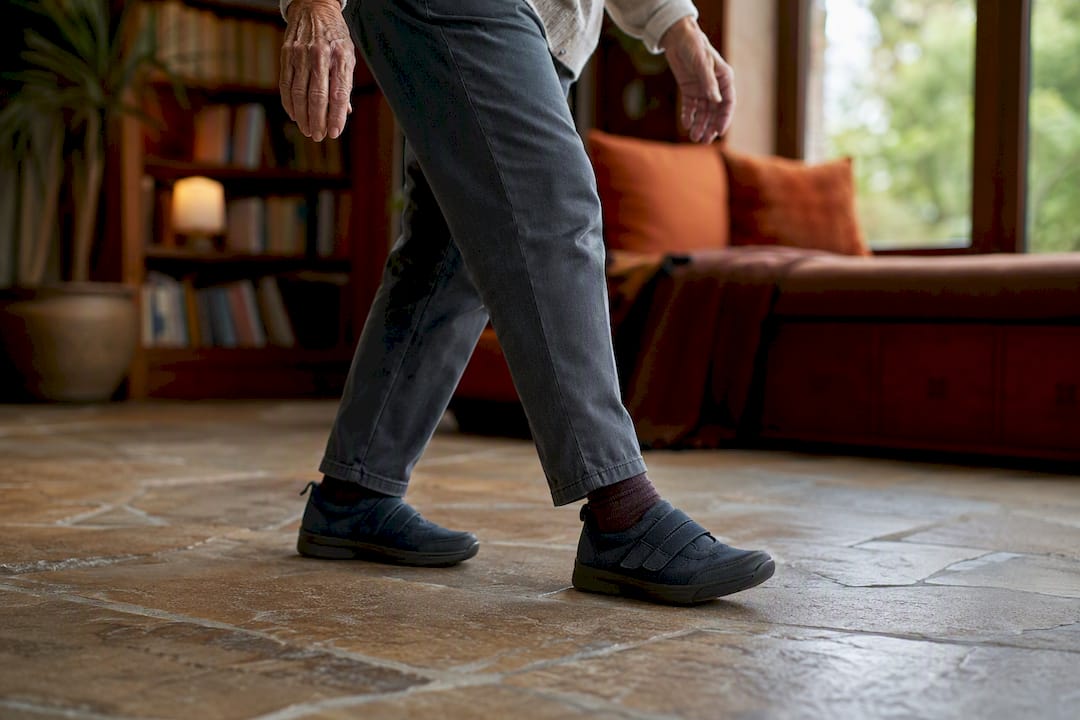
Pro Tip: Balance work compounds like strength training does. Two minutes of practice daily beats one long session weekly, because your nervous system needs frequent repetition to relearn stability.
A Simple 12-Week Plan to Start Aging Well Today
Big overhauls fail. Small, layered changes stick, which is why the NIA’s research on healthy aging behaviors consistently shows modest, sustained habits outperforming dramatic short-term efforts. Here’s a 12-week structure that builds one layer at a time:
- Weeks 1 to 3: Walk 15 to 20 minutes daily and add a protein source to breakfast.
- Weeks 4 to 6: Introduce two resistance sessions weekly and set a fixed bedtime and wake time.
- Weeks 7 to 9: Add one recurring social commitment weekly and start a balance practice (tandem stands, 2 minutes daily).
- Weeks 10 to 12: Increase resistance training to three sessions weekly and schedule any overdue screenings or a medication review.
If mobility is limited, swap walks for seated marching or water-based movement, and resistance bands work as well as weights for most exercises.
Get medical clearance before starting resistance training if you have uncontrolled heart conditions, recent surgery, or joint issues that flare with activity. A basic wall calendar with checkmarks works as well as any app for tracking consistency.
Pro Tip: Track streaks, not perfection. Missing one day matters far less than the story you tell yourself about missing it. Just resume the next day.
How Do Vision and Hearing Changes Affect Aging Well?
Sensory decline creeps in quietly, and untreated vision or hearing loss does more damage to independence than most people realize. Struggling to hear conversations leads many older adults to withdraw socially, which compounds the isolation risk discussed earlier. Struggling to see clearly raises fall risk and limits driving, reading, and other everyday tasks tied to autonomy.
Annual eye exams catch changes like presbyopia, cataracts, and glaucoma early, when treatment options are simplest. Hearing loss often develops so gradually that people adjust without noticing, turning up the TV volume or asking others to repeat themselves until it becomes a pattern. A baseline hearing test in your 50s, repeated every few years, gives you a comparison point if changes start.
Modern hearing aids and vision correction have improved dramatically, and using them earlier rather than later preserves more of the brain’s processing ability tied to hearing and sight. Waiting until hearing loss is severe, in particular, is linked with faster cognitive decline in some research, likely because the brain works harder to fill in missing auditory information at the expense of other cognitive tasks.
Simple home adjustments help too: brighter task lighting for reading, large-print materials where needed, and reducing background noise during conversations. None of these fixes require a major investment, just a willingness to address the issue instead of working around it.
Why Does Oral Health Matter More Than Most People Realize?
Gum disease and tooth loss aren’t just cosmetic concerns as you age. Chronic oral infections have been linked to cardiovascular disease and diabetes complications, since inflammation in the mouth doesn’t stay contained to the mouth. Tooth loss also changes how well you can chew, which quietly shifts eating patterns toward softer, often less nutrient-dense foods.
Daily brushing and flossing matter, but so do regular dental checkups, ideally twice a year, where a dentist can catch gum recession, decay, or bone loss before they become painful or expensive to fix. Dry mouth, a common side effect of many medications older adults take, raises cavity risk significantly and often goes unaddressed until damage is done. Mention it to your dentist and doctor if you notice it.
Oral health ties directly back to the protein and nutrition goals covered earlier. Adults who lose teeth or develop chewing pain often shift away from meat, nuts, and fibrous vegetables toward processed, softer alternatives, undermining the exact dietary pattern that supports healthy aging. Keeping your mouth healthy is part of keeping your diet healthy. For more on the daily habits that protect long-term oral health, StacyKnows has covered the role dental health plays in overall well-being in detail.
Why Stacyknows Focuses on Practical, Joyful Aging
Stacyknows built this guide around what’s realistic, not what’s trendy, because sustainable habits beat perfect ones every time. Explore our guide to thriving after 50 for more depth on this stage of life, or browse practical wellness tips for quick wins. Pick one change from this article, try it this week, and tell us how it goes.
Where to Learn More About Healthy Aging
The recommendations here draw from the WHO’s framework on functional ability, the CDC’s healthy aging guidance, the NIA’s research summaries, and Harvard Medical School’s longevity research, all public institutions with no product to sell you.
For related reading on Stacyknows:
- Women Over 50: Your Complete Health and Beauty Guide
- How Childhood Habits Shape Long-Term Health
Always run new exercise routines, supplements, or major dietary shifts past your doctor first, especially if you manage a chronic condition.
Frequently Asked Questions
What is the simplest definition of healthy aging?
Healthy aging means keeping the functional ability to do the things you value, whether that’s gardening, traveling, or keeping up with grandchildren, rather than simply avoiding a diagnosis.
Is it too late to start healthy habits after 60?
No. Research on midlife and later-life behavior change shows that adopting healthier habits still meaningfully improves outcomes even when started later, since daily choices continue to shape health regardless of your starting point.
How much protein do I need as I get older?
Most adults over 40 benefit from roughly 1.0 to 1.2 grams of protein per kilogram of body weight daily, spread across meals to support muscle maintenance.
What’s the single most important habit for aging well?
No single habit wins alone, but movement comes closest, since it influences muscle mass, bone density, insulin sensitivity, and brain health simultaneously.
How does stress affect aging?
Chronic stress keeps cortisol elevated over time, which accelerates cardiometabolic aging and disrupts sleep, making stress management a direct lever for physical health, not just mental well-being.
This article is general information, not a substitute for advice from a qualified doctor. Consult a qualified healthcare professional about your own circumstances before acting on anything here.
Sources
- The 5 pillars of longevity: Movement, nutrition, sleep, stress reduction, and social connection – Harvard Health
- Healthy ageing and functional ability – WHO
- Healthy Aging – CDC
- What Do We Know About Healthy Aging? – NIA
- Healthy habits for longevity in your 40s and 50s – Stanford
Recommended
- Life After 50: Your Practical Guide to Thriving – Stacyknows
- Tips for Helping Disabled Seniors Regain Their Independence – Stacyknows
- How Childhood Habits Shape Long-Term Health
- Women Over 50: Your Complete Health and Beauty Guide – Stacyknows
