
Westchester is a New York county just north of the Bronx, with White Plains as its county seat, running from the Hudson River’s rocky shoreline to the calmer waters of Long Island Sound. It’s part commuter suburb, part weekend escape, with historic villages, real parks, and a dining scene that punches well above its zip codes. Here’s the quick-facts version, the food, the trails, and the tips a local would actually give you.
Westchester at a Glance: Key Facts and Numbers
Westchester sits directly north of New York City, bordered by the Hudson River to the west and Long Island Sound to the southeast, with Connecticut forming its northeastern edge. That geography is what gives the county its split personality: dense, walkable downtowns in the south, leafy commuter suburbs in the middle, and quiet, semi-rural towns as you head north toward Putnam County.
White Plains is the county seat, home to the county government offices and courts, while Yonkers holds the title of largest city by population. The county’s central number is telling.
By the Numbers: Westchester is home to a large population estimated to be near one million residents, spread across six cities, 19 towns and 23 villages — a municipal patchwork that explains why no two Westchester towns feel quite the same.
The most common area code is 914, though a newer overlay code exists for new lines. Here’s what else orients a first-time visitor or a curious local:
- County seat: White Plains
- Largest city: Yonkers
- Population: Approximately 1 million residents
- Municipal breakdown: Six cities, 19 towns, 23 villages
- Bordering waters: Hudson River (west), Long Island Sound (southeast)
- Bordering areas: The Bronx (south), Putnam County (north), Fairfield County, Connecticut (east)
For anything official, from park permits to property records, the Westchester County government site is the source to bookmark. For trip planning, attraction listings, and seasonal event calendars, Visit Westchester does the heavy lifting.
Which Westchester Cities and Towns Should You Know?
Westchester’s six official cities each have a distinct personality, and knowing them helps you figure out where to eat, stay, or even look for a house.
Yonkers is the county’s largest city and its most urban, with a revitalized waterfront along the Hudson, the Yonkers Downtown Waterfront district, and some of the county’s best value real estate for people who want city energy without a Manhattan price tag.
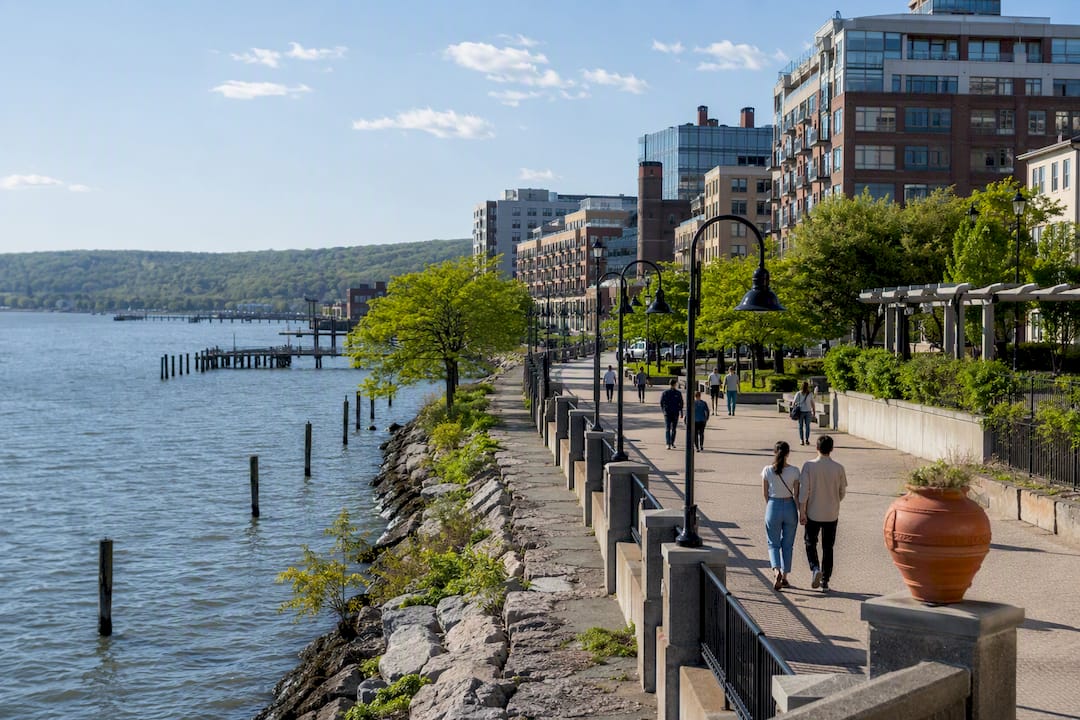
New Rochelle blends a growing downtown skyline with old-money shoreline neighborhoods along Long Island Sound. It’s become one of the county’s fastest-changing cities thanks to a wave of new residential development.
Mount Vernon sits just north of the Bronx border and carries a dense, historically Black and immigrant community identity, with tight-knit neighborhoods and a strong sense of local pride.
White Plains is the commercial and governmental hub. Expect office towers, a busy downtown mall corridor, and the county courts, all a short Metro-North ride from Grand Central.
Peekskill sits further north on the Hudson and has quietly become an arts destination, with a walkable riverfront downtown, galleries, and a noticeably slower pace than the southern cities.
Rye is the county’s coastal jewel, known for waterfront estates, a historic downtown, and its most famous landmark: Playland Park.
Beyond the six cities, Westchester’s towns split roughly into three bands:
- Southern towns (Eastchester, Bronxville, Tuckahoe) feel like dense, walkable extensions of the city, packed with commuter families.
- Central towns (Scarsdale, Harrison, Rye Brook, Chappaqua) are classic leafy suburbia, known for large lots and top-ranked school districts.
- Northern towns (Bedford, Pound Ridge, Somers, Lewisboro) turn genuinely rural, with horse farms, stone walls, and long drives between neighbors.
If you’re chasing nightlife and restaurant density, start in White Plains or downtown Yonkers. For family outings, Rye and its beaches are hard to beat. For a scenic, slower afternoon, Peekskill or the northern towns deliver real quiet.
What Are the Best Things to Do in Westchester?
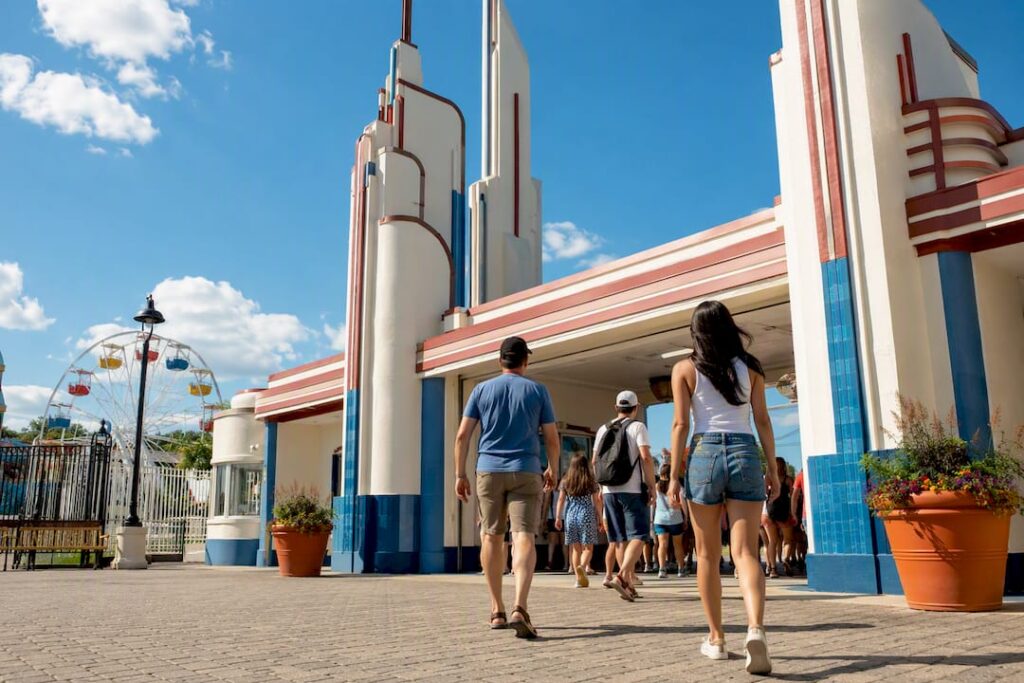
Playland Park in Rye is the county’s signature attraction, a historic amusement park with a classic boardwalk feel, a public beach, and a landmark art deco entrance that’s been drawing families for generations. It remains one of the travel resources most consistently flagged for first-time visitors.
History runs deep here too. Philipsburg Manor in Sleepy Hollow offers a genuinely sobering look at colonial-era life and slavery in the northern colonies, not just a pretty old house tour. Pair it with a stop at nearby Sunnyside or Lyndhurst for a full day of Hudson Valley estate history.
For film buffs, the Jacob Burns Film Center in Pleasantville runs a serious independent and international film program that draws crowds from well outside the county. Families with younger kids gravitate toward the LEGOLAND Discovery Center in Yonkers, an indoor play and building experience that works well on a rainy day.
Here’s how to structure a visit depending on how much time you have:
- Half day: Pick one anchor (Playland or a historic Hudson estate) and add lunch nearby. Don’t try to stack two big attractions; the drive times between towns add up faster than they look on a map.
- Full day: Combine a historic site in the morning (Philipsburg Manor or Lyndhurst) with a Hudson-adjacent lunch in Peekskill or Tarrytown, then close with a walk along the river or a stop at a local brewery.
- Weekend: Split north and south. Spend day one in Rye and White Plains for beaches, shopping, and dinner, then head north on day two for Sleepy Hollow history, a preserve hike, and a slower dinner in Peekskill.
Seasonal events add another layer worth planning around, from fall foliage weekends at the historic estates to holiday light displays and summer concert series at various parks. Check Westchester Magazine and the county’s own events calendar before you finalize dates, since outdoor events shift year to year.
Pro Tip: Book Playland tickets online during peak summer weekends. The parking lot fills fast, and arriving before 11 a.m. saves you both a line and a headache.
For a deeper dive into seasonal picks and lesser-known stops, StacyKnows keeps a running list of things to do in Westchester worth bookmarking before any visit.
Where Should You Eat in Westchester?
Westchester’s food scene reflects its geography: Italian-American institutions dominate the central towns, seafood shacks and raw bars cluster along the Long Island Sound shoreline, and pockets of serious ethnic cooking (Peruvian, Salvadoran, Ethiopian) show up in the denser southern cities where immigrant communities have settled for decades.
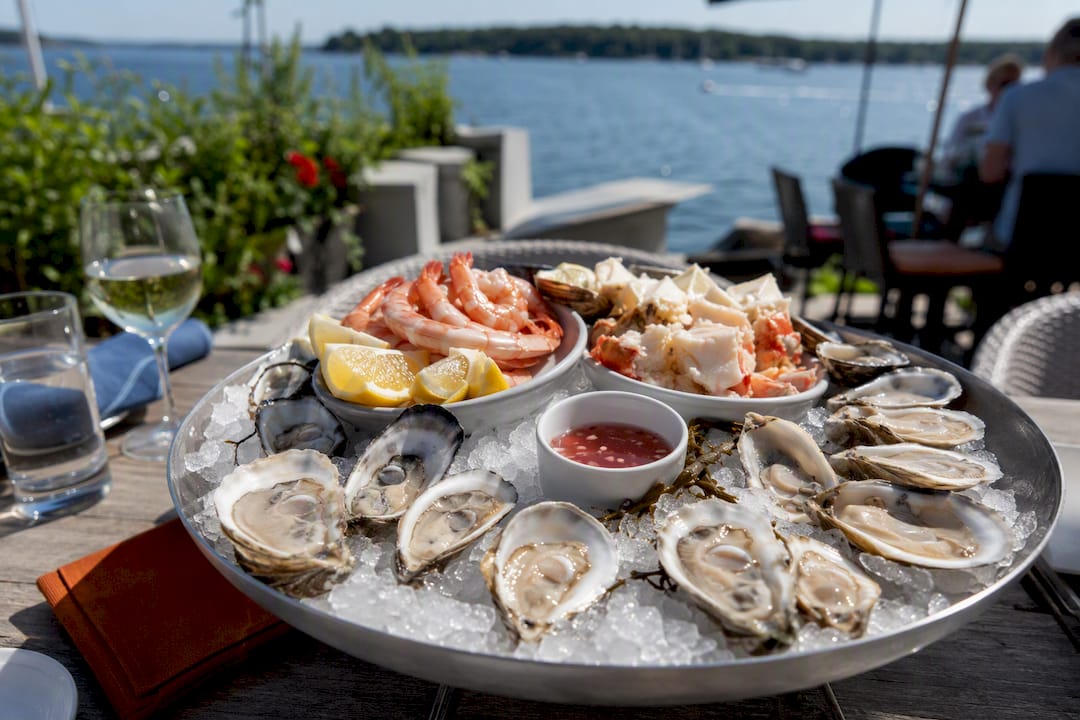
Fine dining leans toward White Plains, Rye, and parts of Larchmont, where tasting menus and wine lists rival anything in the city. Meanwhile, old-school diners and red-sauce joints in Yonkers and Mount Vernon still pack a room on a Tuesday night, and that contrast is part of what makes eating around the county interesting.
A short list of what to try, and where:
- Coastal seafood: Rye and Larchmont waterfront spots for oysters and a Sound view.
- Red-sauce Italian: Longtime family-run spots in Yonkers and Mount Vernon.
- Fine dining: White Plains and Rye for tasting menus and destination-worthy wine lists.
- Global flavors: Peruvian and Central American kitchens scattered through the southern cities.
- Classic diners: Reliable, cheap, and open early across nearly every town in the county.
Pro Tip: If you’re chasing brunch specifically, weekday mornings at popular spots are dramatically calmer than Saturday. Sunday reservations at the county’s most talked-about brunch rooms often book out a week ahead.
StacyKnows tracks the county’s dining scene closely, including new openings, in the Westchester Food Scene roundup, and keeps a running list of standout brunch spots worth the drive. For a broader take on how travelers think about eating well anywhere, the framework in this culinary experiences guide offers a useful lens.
What Parks and Trails Are Worth Visiting?
Westchester’s park system is one of its most underrated assets, and it goes far beyond the manicured lawns most people picture in a wealthy suburban county.
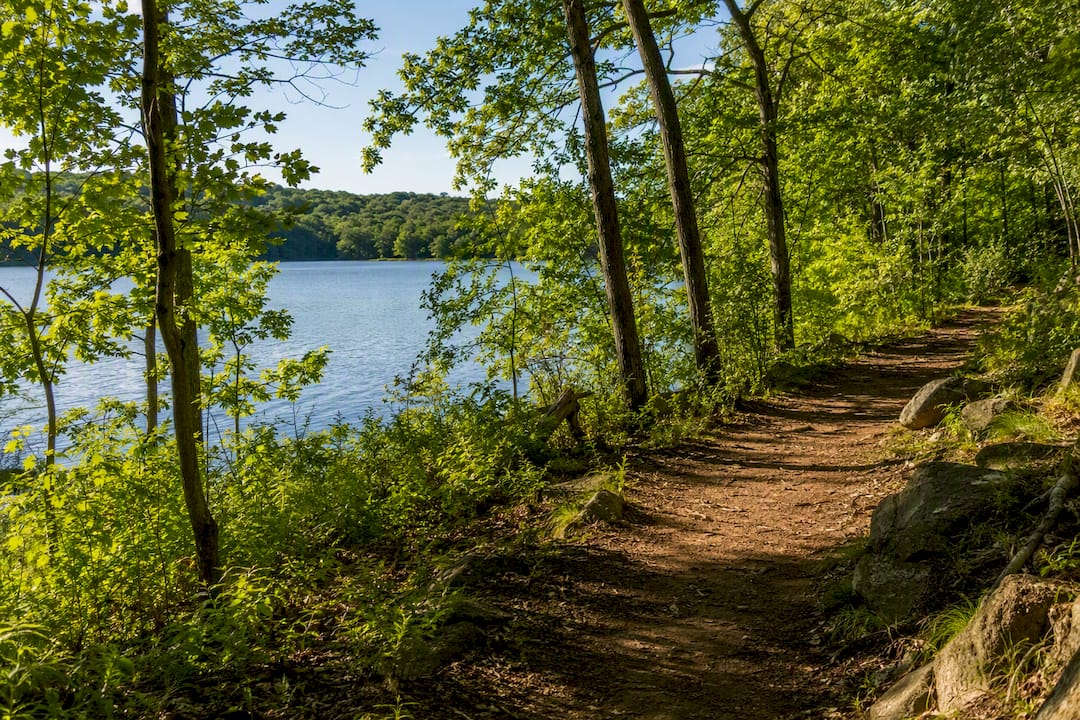
Teatown Lake Reservation in Ossining offers miles of well-marked trails around a scenic lake, with a nature center that runs family programs year-round. Mianus River Gorge Preserve near Bedford protects old-growth forest and a genuinely dramatic gorge trail that feels far more remote than its short drive from the city suggests. Croton Point Park sits directly on the Hudson and combines camping, a beach, and sweeping river views in one spot.
For a different kind of outing, the Westchester County Farm Trail connects working farms and farm stands across the county, letting visitors buy produce, cider, and flowers directly from growers.
Quick planning notes worth knowing before you go:
- Parking at Teatown and Mianus fills up fast on fall weekends; arrive early or expect to wait.
- Some preserves cap daily visitors or require advance reservations during peak leaf-peeping season.
- Croton Point’s beach and camping areas often require permits or fees during summer months.
- Check the county parks hiking and biking page before any visit, since rules shift seasonally.
Water access rounds out the outdoor picture, with several Hudson-side parks offering kayak launches and fishing access that families use all summer long.
How Do You Get To and Around Westchester?
Getting to Westchester from Manhattan is genuinely easy, and that ease is a big part of why the county functions as both a bedroom community and a weekend escape.
Metro-North Railroad runs three lines through the region: the Hudson Line along the river, the Harlem Line through the central towns, and the New Haven Line toward the eastern edge near Connecticut. Trip times to Grand Central typically run 35 to 60 minutes depending on the station and whether you catch an express or local train.
Transit Snapshot: Westchester’s public transit backbone runs on two systems: Metro-North’s three commuter rail lines and the county’s own Bee-Line Bus System, which covers routes across all six cities and most towns.
Amtrak also stops in Yonkers and New Rochelle, useful if you’re connecting from farther up the northeast corridor rather than just commuting locally.
Westchester County Airport in White Plains offers a smaller, faster alternative to the city’s major airports, with direct flights to a handful of regional and national destinations.
Once you’re here, the practical notes:
- The Bee-Line Bus System covers the whole county but runs less frequently outside rush hour, so check schedules before relying on it for evening plans.
- Major routes include the Hutchinson River Parkway, the Saw Mill River Parkway, the Cross Westchester Expressway (I-287), and I-95 along the coast.
- Parking in downtown White Plains and Rye fills quickly on weekends; municipal garages are usually your best bet.
- Avoid the Cross Westchester and I-95 corridors during weekday rush hour if you can help it. Traffic backs up fast.
What’s It Like to Live and Work in Westchester?
Westchester’s reputation as an affluent, high-performing county isn’t just local pride. It shows up consistently in how the region talks about itself, from school district rankings to corporate relocation announcements.
Median household income across the county sits well above the national average, though it varies enormously by town, from modest working-class blocks in Mount Vernon to some of the wealthiest zip codes in the country in towns like Scarsdale and Bronxville. Public schools follow a similar split: several districts in the central and northern towns rank among the strongest in New York State, which is a major reason families move here despite the higher cost of housing.
Sector Shift: Westchester’s economic development efforts have increasingly emphasized digital government and tech growth, including accelerator programs aimed at pulling life sciences and clean energy startups into the county.
That push matters because Westchester has long depended on corporate headquarters and a commuter economy tied to Manhattan. A widening base in tech and life sciences gives the county a second engine beyond people simply riding Metro-North into the city every morning.
A few signals worth knowing if you’re weighing a move:
- School district quality varies sharply by town, so research the specific district, not just the county reputation.
- Corporate presence remains strong in White Plains and along the I-287 corridor.
- Growing sectors include life sciences, clean energy, and early-stage tech, supported by county accelerator programs.
- Commuting culture is deeply embedded here; expect town social life to revolve partly around train schedules.
What Sets Westchester’s Real Estate Market Apart?
Westchester’s housing stock ranges from prewar co-ops in Yonkers and White Plains to sprawling colonial homes on multi-acre lots in the northern towns, with a lot of ground in between: split-levels in Harrison, Tudor-style homes in Bronxville, waterfront condos in New Rochelle.
Prices track that same geography closely. Southern cities like Yonkers and Mount Vernon remain the county’s relative value play, while central towns with top school districts, think Scarsdale, Rye, and Chappaqua, command some of the highest per-square-foot prices in the New York metro area. Northern towns trade density for land, with larger properties that often cost less per square foot but require a bigger total budget given lot sizes.
The market has leaned competitive in recent years, driven partly by buyers priced out of Manhattan and Brooklyn who want more space without giving up a reasonable commute. Inventory in the most desirable school districts tends to move fast, often with multiple offers on well-priced listings. Renters see a similar split: high-rise and transit-adjacent rentals cluster in White Plains and Yonkers, while single-family rentals dominate the suburban middle of the county.
Anyone house hunting here should treat “Westchester” as a starting point, not a single market. A three-bedroom colonial in Peekskill and a three-bedroom colonial in Scarsdale can differ by hundreds of thousands of dollars for reasons that have everything to do with school zoning and train proximity.
How Did Westchester County Get Its Start?
Westchester’s history stretches back well before it became a suburb, with Indigenous communities, including the Wappinger and Lenape peoples, living along the Hudson and its tributaries for centuries before European settlement.
Dutch and later English colonists established manors and farmland throughout the 1600s and 1700s, and the county became a genuinely contested borderland during the Revolutionary War, caught between British-held New York City and Patriot territory to the north. That instability is why so many old estates and historic sites in the county, including Philipsburg Manor, carry real Revolutionary-era significance rather than just decorative colonial charm.
The 19th century transformed Westchester again, as railroads connected it to Manhattan and turned farming villages into commuter towns almost overnight. Wealthy New Yorkers built country estates along the Hudson, some of which, like Lyndhurst, still stand as museums today. Immigrant communities settled the southern cities through the late 1800s and early 1900s, building the dense, working-class neighborhoods that still define Yonkers and Mount Vernon.
That layered history, colonial manors, Revolutionary battlegrounds, railroad-era suburbs, and immigrant industrial cities, is part of why Westchester feels so different from town to town today. It never developed as one thing. It developed as dozens of separate places that happened to end up under one county government.
Where Can You Study, Learn, or Borrow a Book in Westchester?
Beyond its well-regarded public schools, Westchester hosts a genuine cluster of higher education, anchored by institutions that draw students from well outside the county.
Purchase College, part of the State University of New York system, is known for its arts and performing arts programs and sits on a sprawling campus in Purchase. Manhattanville University in Purchase and Sarah Lawrence College in Bronxville both offer small, liberal-arts-focused programs with strong reputations in writing and the humanities. Pace University maintains a Pleasantville campus in addition to its Manhattan location, and Iona University in New Rochelle has built a respected business and health sciences program.
Public libraries round out the county’s learning infrastructure, and they’re better than most visitors expect. The Westchester Library System connects dozens of branch libraries across the county, letting cardholders borrow from a shared catalog regardless of which town issued their card. Larger branches in White Plains, Yonkers, and Scarsdale run active author talks, children’s programs, and community events well beyond basic book lending.
For families evaluating a move, that combination, strong public schools, several respected colleges, and a genuinely useful library network, is part of the quality-of-life case Westchester makes for itself.
How Is Westchester County Governed?
Westchester operates under a county executive and a 17-member Board of Legislators, a structure distinct from the mayor-council or town-board systems used within its individual cities and towns.
The county executive oversees countywide departments, including public safety, parks, health, and economic development, while the Board of Legislators handles budgeting and legislation at the county level. Below that layer, each of the six cities, 19 towns, and 23 villages runs its own local government, meaning residents often deal with two or three layers of elected officials depending on where they live.
Practically, that means county government handles things like the airport, the Bee-Line Bus System, county parks, and social services, while your local town or village handles zoning, local police in most cases, and municipal permits. The Westchester County government site centralizes services like property tax information, county courts, and public health resources, and it’s the right first stop for anything that isn’t purely local.
Services worth knowing about if you’re new to the area include the county’s Department of Social Services, the Board of Elections, and the county health department, all of which serve residents regardless of which specific town or village they call home.
Westchester is covered extensively as it offers diverse experiences, including a coastal escape in Rye, an arts town in Peekskill, and a food destination in Yonkers, all reachable in under an hour from Manhattan. That range is genuinely rare this close to the city, and it’s why the recommendations here skew specific rather than generic.
The goal isn’t to tell you Westchester is nice. Every real estate listing already says that. It’s to tell you which brunch spot actually deserves the wait and which trail parking lot fills by 9 a.m., the kind of detail that only comes from paying attention to a place over time.
If this guide got you curious, the Westchester lifestyle deep dive goes further into neighborhoods, events, and seasonal picks worth following.
— Stacy Geisinger
Sources
- Westchester County government
- Westchester County, New York — Wikipedia
- Visit Westchester N.Y.
- Westchester County parks — hiking and biking
FAQ
Is Westchester, New York wealthy?
Westchester has several of the wealthiest zip codes in the country, particularly in towns like Scarsdale and Bronxville, but income varies sharply across the county, with working-class cities like Mount Vernon sitting far below those figures.
What billionaires live in Westchester?
Westchester has long attracted high-net-worth residents drawn to its estate-sized properties and Manhattan proximity, though specific current billionaire residents are not publicly confirmed by county sources.
What is Westchester, NY famous for?
Westchester is best known for Playland Park, its Hudson River estates and historic sites, top-ranked public schools, and its role as a commuter suburb north of New York City.
Is Westchester a part of NYC?
No. Westchester is a separate county with its own government, located directly north of the Bronx, though it’s closely tied to New York City through commuting and Metro-North rail service.
Recommended
- From Hikes to Hot Cider: The Westchester Fall Day You’ll Actually Want to Copy
- Westchester Food Scene: Top Spots and 2026 Openings
- Things To Do in Westchester: Best Activities for 2026
- Westchester NY: Your Complete Lifestyle Guide for 2026
