
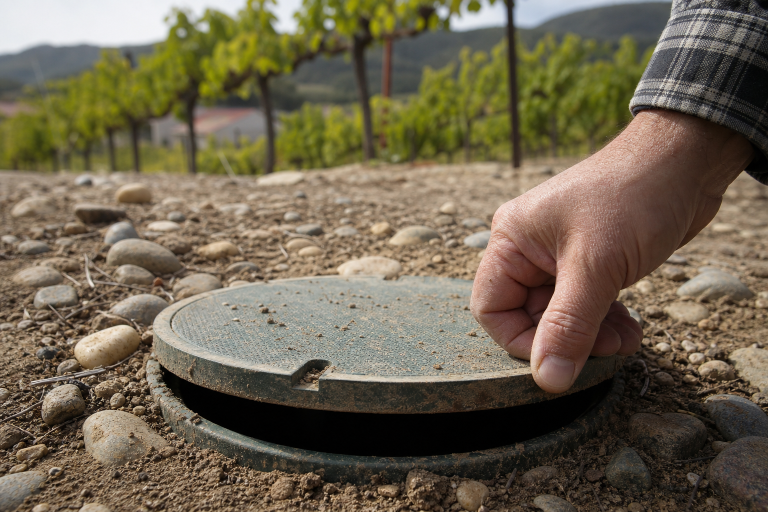
Buying a home in Wine Country can mean waking up to vineyard views, oak-covered hills, and a quieter pace of life. It can also mean taking responsibility for land, private infrastructure, wildfire preparation, and access conditions that are less common in a typical subdivision.
For buyers who need a local perspective before touring rural or in-town properties, Sonoma CA real estate agents Shone Group offers buyer and seller resources through the Shone Group, a Sonoma-based real estate team with long-standing Wine Country experience. Their work across Sonoma, Glen Ellen, Kenwood, Healdsburg, and surrounding areas can help buyers distinguish between a scenic property and one that truly fits their needs.
Why Wine Country Homes Need Extra Research
A Wine Country property may include acreage, a private well, a septic system, a propane tank, solar equipment, a long driveway, mature trees, barns, or older construction. Each feature can add character, but it may also add maintenance, testing, and repair responsibilities. Study the land, utilities, legal records, and access arrangements as carefully as the home itself.
Start With The Land, Not The Listing Photos
Views are important, but the land determines much of a property’s long-term usability. Walk the site slowly and look beyond the landscaped areas. Consider slope, drainage, soil, sun exposure, tree cover, and nearby agricultural activity.
- Look for standing water, erosion, drainage channels, retaining walls, or water that could move toward the home during heavy rain.
- Assess mature trees and overhanging branches near structures, power lines, and driveways.
- Ask whether neighboring land is protected farmland, open space, or potentially developable.
- Compare visible improvements, including sheds, pools, guest units, and fences, with permit records and disclosures.
Check Water, Septic, And Utilities
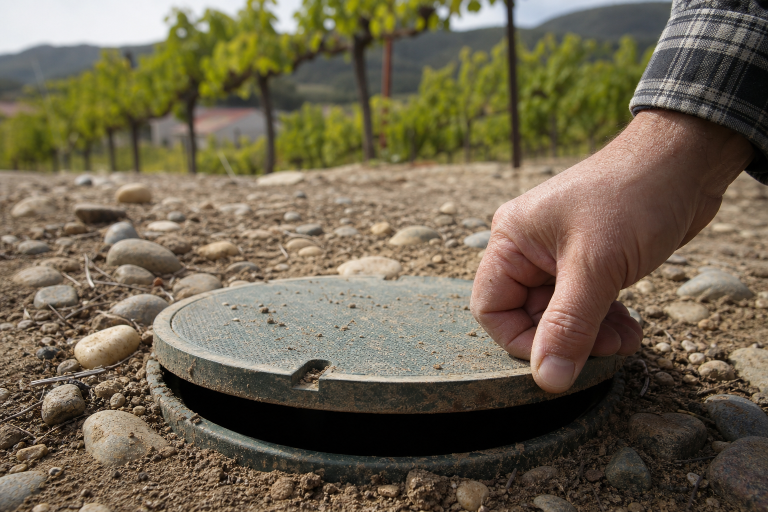
Do not rely on informal statements that a well or septic system “works fine.” Confirm whether the home uses municipal water, a private well, a shared well, or a local water district. Request available well-flow and water-quality records, then discuss whether updated testing is appropriate.
Schedule a septic inspection and verify the system’s permitted capacity. Also ask about propane ownership, solar leases, generators, battery storage, internet options, cell reception, trash service, and the property’s history of power outages. These details shape both everyday convenience and emergency readiness.
Review Access Roads And Easements
A private or shared road can affect your budget, commute, emergency access, and resale options. Read the title report and recorded easements carefully. Confirm who owns the road, who pays for maintenance, and whether a written road-maintenance agreement is in place.
During visits, watch for potholes, washouts, poor drainage, narrow turns, steep grades, and bridge weight limits. Ask whether fire trucks, ambulances, delivery vehicles, and service providers can reasonably reach the home in all seasons.
Look At Wildfire Risk And Home Hardening
Wildfire review belongs early in the buying process, not after an insurance issue appears. Inspect the roof, vents, windows, siding, decks, fencing, gutters, and vegetation surrounding the house. Pay particular attention to the first five feet around the structure, where combustible mulch, firewood, plants, and outdoor furniture can increase risk.
Use CAL FIRE’s defensible-space guidance to understand vegetation management, defensible space, and home-hardening priorities. Request records of past inspections, vegetation work, roof replacement, vent upgrades, or other completed mitigation projects. Review evacuation routes during every serious property visit.
Price: The Full Cost Of Ownership
A lower purchase price can conceal higher annual costs. Build a realistic budget for property taxes, special assessments, insurance, well testing, septic pumping, tree work, landscaping, pest control, road repairs, backup power, and equipment maintenance. Compare that total with the cost of a smaller, more connected home closer to town.
Obtain insurance quotes before removing contingencies, because lenders generally require acceptable coverage. The California Department of Insurance’s residential insurance information is a useful starting point for understanding coverage options. If traditional insurance is difficult to obtain, investigate alternatives early, including whether the California FAIR Plan may be relevant as a last-resort option.
Compare Communities By Daily Life
Weekend beauty does not always translate into weekday practicality. Measure actual drive times to work, schools, groceries, medical care, and airports. Visit at different times to notice traffic, road conditions, vineyard operations, event noise, or agricultural activity. Decide whether you value walkable town-center access, rural privacy, a second-home retreat, or a property that supports long-term retirement living.
Build A Smart Due Diligence Plan
- Confirm financing and request insurance quotes immediately.
- Review disclosures, title documents, easements, permits, and property boundaries.
- Schedule a general inspection, plus specialized inspections of the well, septic, roof, chimney, pool, and outbuilding, as needed.
- Evaluate drainage, wildfire exposure, defensible-space needs, and emergency access.
- Request missing records from the seller in writing and estimate repair costs before making final decisions.
Questions Buyers Often Ask
Is A Wine Country Home Harder To Maintain?
It can be. Maintenance depends on acreage, terrain, landscaping, age, private systems, and road conditions. A smaller home with updated infrastructure may be easier to own than a larger estate with deferred maintenance.
Should Buyers Test A Private Well?
Yes. Request current flow and water-quality information, then consult qualified professionals about additional testing based on the property and local conditions.
Can Wildfire Risk Affect Financing?
Yes. Insurance availability can influence whether a buyer can satisfy lender requirements, so it should be investigated well before the inspection period ends.
Is A Rural Property A Good Choice For A First-Time Buyer?
It can be, provided the buyer understands the added responsibilities and maintains a realistic repair and maintenance budget.
Make The View Part Of The Decision, Not The Whole Decision
The right Wine Country home should suit both your lifestyle and your capacity to manage it. Compare infrastructure, insurance, access, land conditions, and daily convenience before becoming attached to the view. A careful purchase decision lets you enjoy the setting while being prepared for the practical details that come with it.
