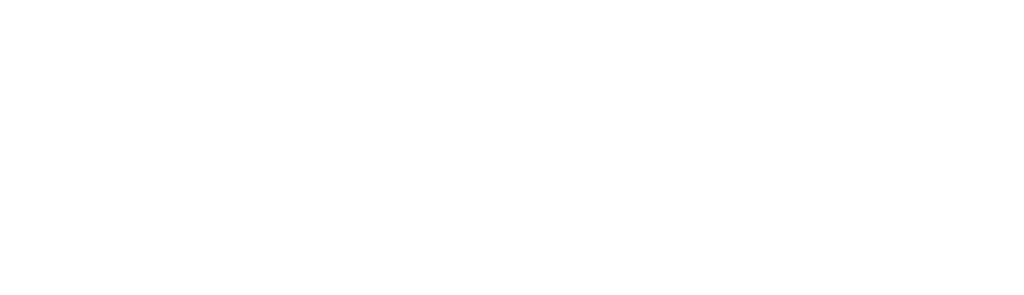

The best celebrity interviews are on AP News, The Talks, Interview Magazine, YouTube’s official channels, and long-form podcasts. Which one you open first depends on what you want: timely Q&As, archival long-form pieces, visual sit-downs, or deep conversational audio. Stacyknows also curates edited profiles and recommended conversations for readers who want someone to do the filtering for them.
Here is a quick format selector:
- Video and visual context: YouTube official channels and talk-show playlists
- Long-form text and archival depth: Interview Magazine and The Talks
- Timely news-driven Q&As: AP News celebrity hub
- Conversational audio and legacy-building: Long-form podcasts (Armchair Expert, SmartLess, Conan O’Brien Needs a Friend)
- Curated, edited recommendations: Stacyknows entertainment coverage
Where do you find celebrity interviews by format and depth?
Not every platform delivers the same thing. A press-junket clip on YouTube and a 5,000-word Interview Magazine feature are both technically celebrity interviews, but they serve completely different needs. Here is how the major platforms break down.
News hubs and editorial outlets like AP News publish timely Q&As, press-conference excerpts, and occasional full-feature profiles. AP’s editorial standards mean bylines are consistent and dates are reliable, which matters when you are trying to verify a quote.
Dedicated interview directories are where the real depth lives. The Talks focuses on artist-driven conversations, often with minimal editorial interruption. Interview Magazine, founded by Andy Warhol, has always leaned into fashion, music, and legacy, with on-location reporting and descriptive prose that reads more like a short story than a transcript. Interview Magazine’s Madonna feature is a good example: location details, wardrobe notes, and long-form quotes give you sensory context that a press-junket clip never could.
YouTube is the most accessible entry point for visual learners. Official channel subscriptions, curated playlists from late-night shows, and dedicated interview channels give you body language, tone, and mood alongside the words. The tradeoff is depth: most clips run 5–15 minutes and are edited for entertainment.
Podcasts tend to go the longest and the deepest. Hosts like Dax Shepard on Armchair Expert or Sean Hayes on SmartLess build rapport over multiple episodes, which sometimes produces the kind of candid admission a publicist would never approve in a print setting.
Social and short-form platforms (Instagram Live, TikTok) are best for immediacy. A celebrity going live after an awards show or answering fan questions in real time can feel genuinely unfiltered. But the depth is almost always low, and the content disappears or gets clipped out of context quickly.
| Platform type | Typical depth | Best use case | Trust signals to look for |
|---|---|---|---|
| News hub (AP News) | Medium | Timely Q&As, verified quotes | Byline, date, wire attribution |
| Interview directory (The Talks) | High | Artist-focused, archival | Named interviewer, full transcript |
| Magazine (Interview Magazine) | High | Legacy, fashion, narrative features | On-location reporting, photo credits |
| YouTube (official channels) | Low–Medium | Visual context, talk-show clips | Official channel badge, upload date |
| Podcast | High | Long-form, conversational depth | Episode notes, host credentials |
| Social/short-form | Low | Immediacy, fan moments | Verified account, original post date |
What types of celebrity interviews actually exist?
The format shapes everything. A celebrity can say something completely different in a rapid-fire Q&A versus a two-hour podcast, not because they are being dishonest, but because the structure of the conversation pulls different things out of them.
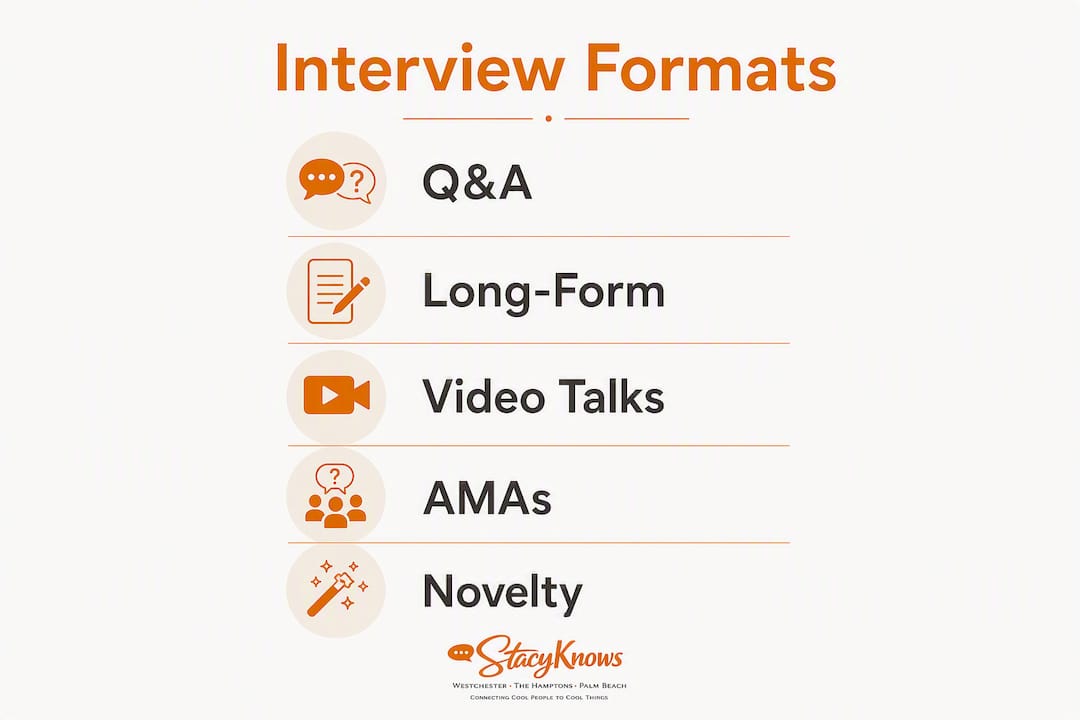
Long-form magazine profiles are the gold standard for narrative context. Journalists at outlets like Interview Magazine and Vogue spend time with the subject on location, weaving in environmental details and archival research. Christopher Nolan’s exclusive interview with The Hindu is a good example of how filmmakers use these formats to focus on the “why” of their creative work rather than immediate promotion.
Q&A and rapid-fire formats are efficient but often shallow. They are great for quotable lines and quick takes, but the questions are usually pre-approved or event-driven. You get the celebrity’s polished surface, not their unguarded interior.
Sit-down video interviews and talk shows add a layer that text cannot: you can watch how someone answers, not just what they say. A pause before a question, a laugh that seems slightly forced, a moment of genuine surprise — these are things you only catch on video.
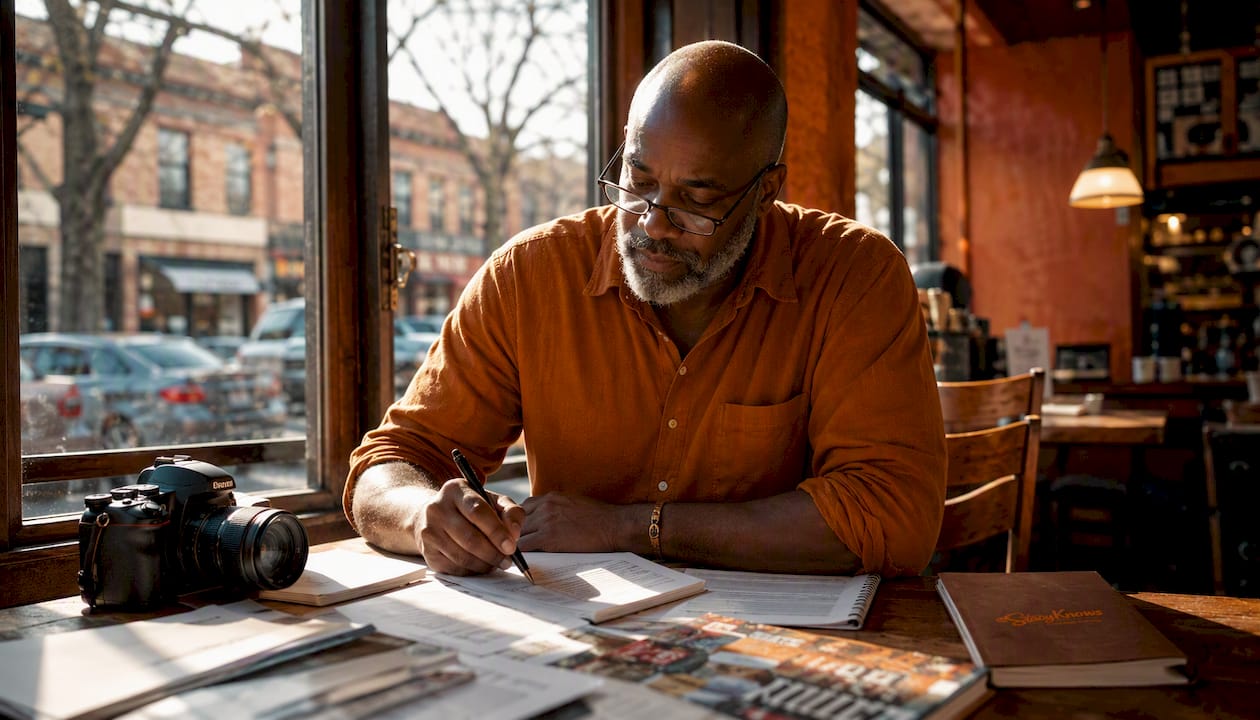
AMAs and questionnaire formats are where things get interesting. Billie Eilish’s ELLE “Ask Me Anything” is a strong example of how musicians and comedians use these formats to bypass publicist-approved scripts and share personal stories they would not typically surface in a film press setting. The structure feels low-stakes, which is exactly why it produces candid answers.
Standardized questionnaires like the Maria Bamford format used by Vulture are repeatable and generate shareable, quotable material. The 25-question structure is the same for every subject, which makes comparisons across celebrities genuinely fun.
Autocomplete and novelty formats like WIRED’s Autocomplete Interview answer fan search queries in a structured, entertaining way. They are light and fun, but they rely on pre-aggregated search data rather than organic dialogue, so spontaneity is limited by design.
| Format | Best for | Signs of editorial depth |
|---|---|---|
| Long-form magazine profile | Legacy, narrative, creative context | On-location reporting, archival research, named journalist |
| Q&A / rapid-fire | Quick quotes, press events | Original questions, not pre-vetted list |
| Sit-down video / talk show | Tone, body language, mood | Full-length clip, unedited segments |
| AMA / questionnaire | Candid vulnerability, fan intimacy | Subject’s own words, minimal editing |
| Autocomplete / novelty | Fan curiosity, entertainment | Clearly labeled format, short runtime |
| Red-carpet clip | Fashion, soundbites, event context | Verified outlet, named correspondent |
How do you tell if a celebrity interview is worth your time?
Most people scan the headline and hit play. A better habit takes about 30 seconds and saves you from 20 minutes of promotional fluff.
- Check the byline. A named journalist or interviewer is the single fastest trust signal. Anonymous or “staff” bylines often indicate aggregated or PR-sourced content.
- Look at the publication or producer. AP News, Interview Magazine, The Talks, and established podcast networks have editorial standards. A random YouTube channel or unlabeled website does not.
- Check the date. Recency matters for news-driven pieces; for archival or legacy interviews, the date tells you what project or era the conversation was tied to.
- Look for a transcript. Outlets that publish full transcripts are committing to accuracy. A transcript also lets you search for specific quotes rather than scrubbing through video.
- Assess the length and format. A 90-second clip from a press junket is promotional by design. A 45-minute sit-down or a 3,000-word feature has room for actual conversation.
- Ask whether there is original reporting. Did the journalist travel to meet the subject? Are there location details, photos, or environmental context? Vogue’s approach to on-location features is a useful benchmark: the most revealing interviews feel like two-way conversations rather than rapid-fire press junkets.
- Notice whether the interview centers legacy or promotion. A piece timed to a film release is almost always promotional. A piece that digs into a career arc, personal history, or long-range creative vision is more likely to produce something real.
Red flags to watch for: identical copy appearing across multiple outlets (classic press-junket syndication), no byline at all, answers that sound scripted or loop back to a project title every third sentence, and short clips stripped of their original context.
Pro Tip: When you want authentic insight rather than promotional messaging, prioritize pieces that promise on-location reporting or a named journalist with a track record. Editors use legacy-focused framing to attract creatives who want narrative control, and those pieces are far more likely to include archival research and long-form quotes.
How do you build a personal feed of interviews you actually want?
The best discovery habit is a mix of platform-native tools and a few manual saves. Here is what works in practice:
- Subscribe to YouTube channels for your preferred hosts and set notifications for new uploads. Late-night show channels (The Tonight Show, The Late Show) post full interview segments within hours of broadcast.
- Follow podcast feeds in Apple Podcasts, Spotify, or Overcast. Most apps let you set episode alerts for specific shows, so you never miss a new guest.
- Use RSS for text-based outlets. Interview Magazine and AP News both support RSS. A reader like Feedly or Reeder lets you pull all your interview sources into one place.
- Set Google Alerts for specific celebrities or projects. You will get email notifications when a new interview is published anywhere on the web.
- Save transcripts when they exist. Copy the URL with the date and outlet into a notes app or bookmarking tool like Pocket or Instapaper. A transcript you can search later is worth more than a video you have to re-watch.
- Build YouTube playlists for recurring subjects. If you follow a particular director or musician, a dedicated playlist keeps their interviews organized and easy to revisit.
- Subscribe to newsletters from outlets you trust. Interview Magazine and several podcast networks send weekly digests that surface new and archival pieces together.
For creators and podcasters looking to build their own interview presence, understanding the reality of being an influencer in the current media environment is useful context for how discovery and audience-building actually work.
Can you actually get an interview with a celebrity?
Yes, but the path is more structured than most people expect. Here is a realistic roadmap for indie creators, podcasters, and producers.
- Identify the right contact point. Most celebrities are represented by a publicist, a talent agency, or a management company. Search the celebrity’s name alongside “publicist” or “press contact” to find the right person. IMDbPro lists representation for many working actors and musicians.
- Write a tight pitch. Explain who you are, who your audience is, and why this conversation benefits the celebrity specifically. Audience size matters, but so does relevance: a niche podcast with 10,000 engaged listeners in the right demographic can be more appealing than a general show with 100,000 passive ones.
- Propose a flexible format and time window. Offer options: 20 minutes or 45 minutes, video or audio only, live or pre-recorded. The easier you make it to say yes, the better your odds.
- Follow up once, politely. A single follow-up email after 10–14 days is standard. More than that crosses into pressure.
- Be realistic about timelines. Press cycles for films and albums run 6–12 weeks in advance. If you want to tie an interview to a project launch, pitch at least two months ahead.
- Understand the payment question. Compensation varies widely: editorial interviews at major outlets rarely involve payment, but promotional appearances and branded content often do. If a celebrity’s team asks about fees, that is a signal the appearance is being treated as a paid media placement.
For audio-focused creators, the Hot Mic Radio guide to landing a radio interview covers outreach tactics that translate well to podcast bookings too.
Alternative approaches: Attend industry events, film festivals, or charity panels where celebrities appear in a more accessible setting. Booking a celebrity’s collaborator, producer, or co-star first builds credibility and sometimes opens a direct introduction. Themed panels and charity tie-ins also tend to have lower barriers than straight promotional bookings.
Why Stacyknows curates interviews the way it does
There is a lot of noise in the celebrity interview space. Press-junket content floods the web every time a major film or album drops, and most of it says the same thing in slightly different words. What Stacyknows tries to do is different: prioritize pieces with a named author, a clear publication date, and multi-format availability so readers can choose how they engage.
The curation standard is simple. Does the piece have a byline? Does it go beyond the promotional talking points? Is there a transcript or a full-length video? If yes to at least two of those, it is worth surfacing. If not, it gets skipped, no matter how famous the subject.
The Fifty Shades of Grey viral piece is a useful reminder of how a single well-framed piece of editorial content can reach an audience far beyond its original context. That kind of reach comes from specificity and genuine perspective, not from volume.
Readers save time when someone else has already done the quality filter. That is the whole point.
The real problem with how most people consume celebrity interviews
Most advice about finding celebrity interviews focuses on where to look. That is useful, but it misses the more important question: what are you actually looking for, and does the format you are using deliver it?
The conventional wisdom says “watch the big talk shows” or “follow your favorite celebrities on social media.” Both are fine for entertainment. Neither is reliable for genuine insight. Talk-show appearances are produced, timed to promotional cycles, and edited for laughs. Social media clips are even more controlled, despite their casual appearance.
The formats that consistently produce something real are the ones with the least structural incentive to stay safe: long-form magazine profiles where the journalist has time and access, questionnaire formats where the structure itself creates unexpected honesty, and podcast conversations that run long enough for the subject to forget they are being recorded.
The other thing most people underestimate is the value of the interviewer. A skilled journalist does not just ask questions; they use framing and narrative to persuade a subject to go deeper than they planned. That is why the same celebrity can seem guarded in one interview and surprisingly open in another. The difference is usually the person asking the questions, not the celebrity’s mood that day.
So the practical advice is this: before you click play or open an article, check who is doing the interviewing. A named journalist with a track record at a publication that values depth is worth your time. A generic “staff interview” tied to a release date probably is not.
Stacyknows covers the celebrity conversations worth your attention
Sifting through hundreds of interviews to find the ones that actually say something takes time most people do not have. Stacyknows does that filtering for you, focusing on long-form profiles, Q&As with genuine depth, and podcast conversations that go beyond the promotional script.
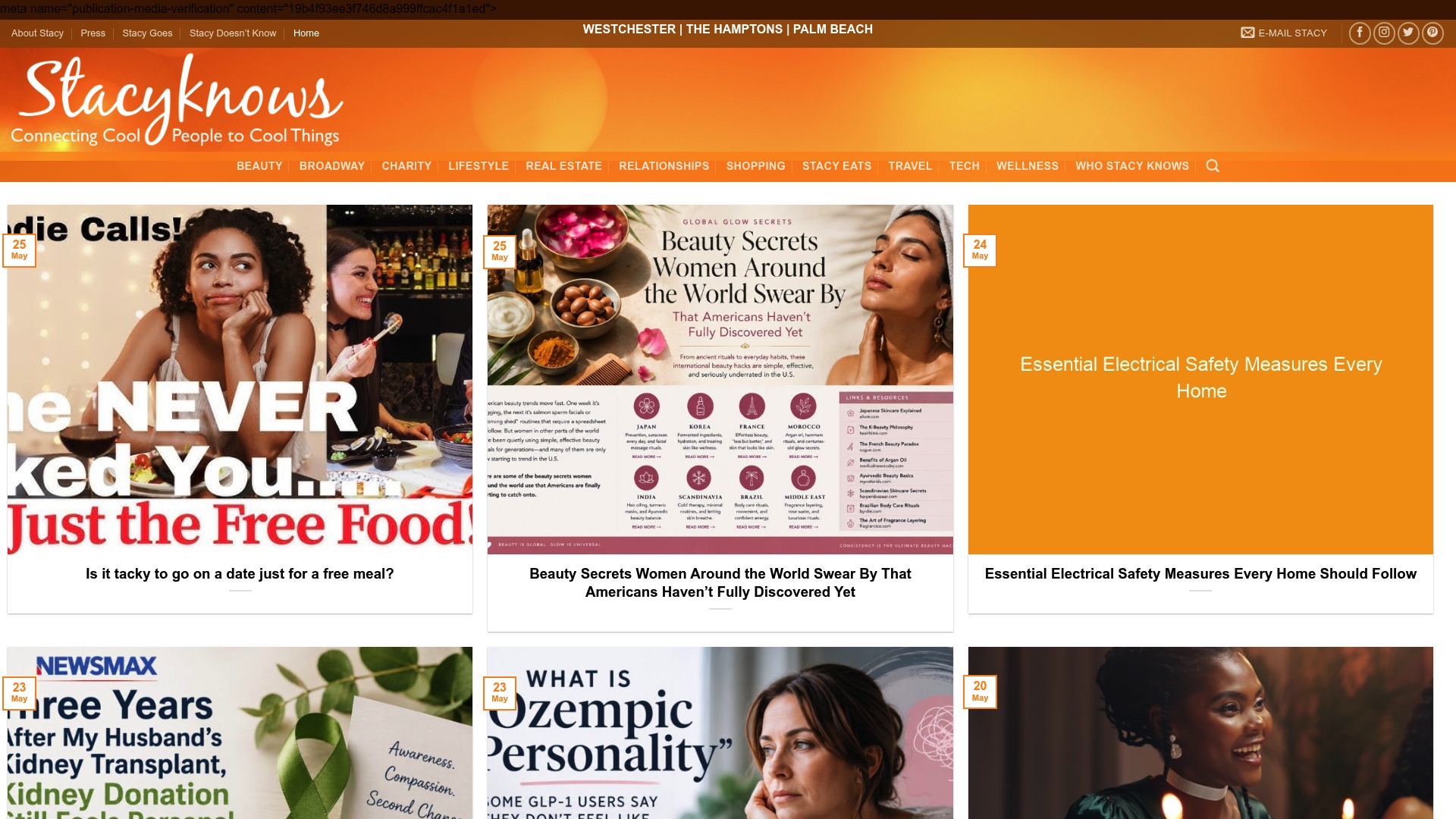
The curation covers recent and archival highlights across formats: text features with named journalists, video sit-downs with full-length clips, and audio conversations worth saving. What it does not do is archive everything. The focus is on quality over volume, which means a shorter list of pieces that are actually worth reading or watching.
If you want a curated feed of lifestyle content that applies the same editorial standard to beauty, wellness, and culture, the Stacyknows beauty and wellness section shows how that curation works across topics. For celebrity and entertainment coverage specifically, start with the entertainment news guide and bookmark it for regular updates.
Quick reference: the best sources to bookmark right now
- AP News: Best for timely, bylined Q&As and verified quotes tied to current events. Check the byline and date before citing anything.
- Interview Magazine: Best for fashion, music, and legacy interviews with on-location reporting and narrative depth. Transcripts are usually available.
- Hot Mic Radio: Useful for audio-focused discovery and understanding how interview booking works in the music and podcast space.
A quick reminder on trust signals: before saving or sharing any interview, check for a byline, a publication date, and whether a transcript is available. Those three details tell you most of what you need to know about whether the piece is worth your time.
Recommended
- Stacy Knows: Your Guide to the Original Influencer – Stacyknows
- What’s In, What’s Out, and What Actually Works Now in Fitness – Stacyknows
- StacyKnows | Connecting Cool People to Cool Things – Stacyknows
- Entertainment News: Your Complete Guide to What’s Real – Stacyknows
