
Understanding the Landscape of Home Improvement Services
 Your home is likely your most significant investment and the hub of your daily life. Maintaining and upgrading it is crucial for comfort, safety, and preserving its long-term value. As we look at the landscape of home improvement in July 2026, understanding the available services is more important than ever.
This extensive guide will help you navigate the diverse world of home improvement. We will explore everything from essential repairs and accessibility modifications to major renovations. We will also cover how to choose reputable contractors, finance your projects, and even understand advanced infrastructure like robust home power control services. Our goal is to provide you with the knowledge to make informed decisions for upgrading your property’s infrastructure and exterior.
The realm of home improvement services is vast, encompassing everything from minor repairs to extensive remodels. In July 2026, homeowners across different regions have access to a broad spectrum of options, tailored to various needs and budgets. These services are designed not only to enhance the aesthetic appeal of a property but also to improve its functionality, safety, and energy efficiency.
For example, in regions like Dallas, companies offer comprehensive services ranging from whole-house painting and flooring to full kitchen and bathroom renovations, and even the creation of inviting outdoor living spaces. Similarly, in the SF Bay Area, homeowners can find licensed general contractors capable of handling significant projects like kitchen and bathroom remodels, deck installations, and siding replacements, alongside everyday handyman tasks. Meanwhile, in areas like Jonesborough, Tennessee, specialists in old house remodels, window replacements, and covered decks cater to specific architectural styles and regional demands.
The types of home improvement services available generally fall into several categories:
- Structural and Exterior Enhancements: This includes foundational work, room additions, basement finishing or lowering, roofing (installation and repair), siding replacement, and window and door installations. These projects often require specialized skills and adherence to local building codes.
- Interior Remodeling: Kitchen and bathroom renovations are among the most popular, focusing on updating fixtures, cabinetry, countertops, and overall layouts. Other interior projects include flooring installation (hardwood, tile, carpet), drywall repair, and interior painting.
- Specialized Carpentry and Masonry: Fine carpentry can involve custom installations, moldings, and structural work, while masonry services cover patios, stone walls, fireplaces, and pavers, adding both beauty and durability to a property.
- Outdoor Living Spaces: Beyond structural elements, many homeowners invest in creating or enhancing their outdoor areas. This can include designing and constructing decks, porches, pergolas, gazebos, and even specialized structures like pool houses or workshops. For those looking to truly transform their property’s curb appeal and functionality, exploring dedicated providers of outdoor Home Improvements can offer a wealth of options, from landscaping design to fence installation and repair.
The availability and specialization of these services can vary significantly by region, with local contractors often developing expertise in the types of homes and climate-specific challenges prevalent in their area. This localized knowledge can be invaluable for homeowners seeking solutions that are both effective and appropriate for their property.

Professional Contractors vs. Handyman Services
Understanding the distinction between professional contractors and handyman services is crucial for homeowners embarking on any improvement project. The choice largely depends on the scope, complexity, and specialized skills required for the task at hand.
Professional Contractors: These are typically licensed general contractors or specialty tradespeople (e.g., plumbers, electricians, roofers) who manage larger, more complex projects. A general contractor acts as the primary point of contact, overseeing all aspects of a renovation, from design and permitting to hiring and scheduling subcontractors across various trades. They are best suited for:
- Major renovations: Kitchen and bathroom remodels, room additions, basement finishing, or whole-house renovations.
- Structural work: Projects involving changes to the home’s structure, like wall removals or foundation repairs.
- Specialized installations: New roofing, HVAC system replacements, or extensive electrical upgrades.
- Projects requiring permits: Most significant renovations will require permits, and a general contractor is experienced in navigating this process.
Professional contractors often provide detailed contracts, warranties on their work, and carry comprehensive insurance, offering homeowners a higher level of protection and accountability for significant investments. Their expertise ensures adherence to building codes and industry standards.
Handyman Services: Handymen, or handypersons, are skilled individuals who perform a variety of smaller repairs, maintenance tasks, and minor installations around the home. They are ideal for:
- Small repairs: Fixing a leaky faucet, patching drywall, repairing a fence, or mending a loose stair tread.
- Minor installations: Hanging pictures, mounting TVs, assembling furniture, or installing blinds and curtain rods.
- General maintenance: Gutter cleaning, pest control, or one-time cleaning services.
- Quick fixes: Addressing issues that don’t require extensive planning, specialized equipment, or multiple trades.
According to HomeAdvisor, the national median price for handyperson services for small projects starts from $158, making them a cost-effective solution for minor tasks. While some handymen may have broad skills, they typically do not undertake large-scale renovations or projects requiring permits, extensive project management, or coordination of multiple trades.
Self-Help/Homeowner Workshops: For homeowners interested in learning basic maintenance and improvement skills, self-help resources and workshops offer valuable opportunities. Organizations like Home Repair Services in Kent County provide hands-on workshops and guidance on various home maintenance topics, including home inspections and even kitchen remodeling guidance. These programs empower homeowners with the knowledge to tackle smaller projects themselves, understand their home’s systems better, and potentially save on labor costs. Educational opportunities such as “Lunch & Learn Tours” can also provide insights into available homeowner resources and basic home maintenance best practices.
Support for Vulnerable Homeowners
Beyond the standard commercial offerings, a vital segment of home improvement services focuses on supporting vulnerable homeowners, ensuring their homes remain safe, accessible, and stable. These programs are often income-based or tied to financial stability initiatives, recognizing that home repairs can be a significant burden for those with limited resources.
Organizations like Home Repair Services exemplify this model, strengthening vulnerable homeowners by providing crucial support. Their approach is holistic, combining practical repairs with financial education to foster long-term stability. Key aspects of these programs include:
- Income-Based Home Repairs: These services provide critical home repairs to homeowners who meet specific income criteria. This can include urgent fixes to roofs, plumbing, electrical systems, or structural issues that, if left unaddressed, could lead to unsafe living conditions or further property deterioration. The goal is to prevent homes from falling into disrepair and to maintain safe, habitable environments.
- Accessibility Modifications: For homeowners with disabilities or age-related mobility challenges, accessibility modifications are paramount. These services involve installing ramps, grab bars, widening doorways, modifying bathrooms, or making other necessary changes to ensure residents can safely and independently navigate their homes. These modifications significantly improve quality of life and allow individuals to age in place.
- Financial Stability Programs: Recognizing that home maintenance is intrinsically linked to financial health, many support programs integrate financial counseling. This includes:
- Housing Counseling: Guidance on managing housing-related finances, understanding mortgages, and navigating homeownership responsibilities.
- Foreclosure Prevention: Resources and advice to help homeowners at risk of losing their homes due to financial hardship.
- Financial Literacy Workshops: Educational sessions designed to improve budgeting skills, debt management, and overall financial planning, empowering homeowners to make informed decisions about their property and future.
By addressing both the physical needs of the home and the financial well-being of its occupants, these programs contribute significantly to community strength and resilience. They ensure that all homeowners, regardless of their financial situation, have access to the resources needed to maintain a safe and stable living environment.

Upgrading Your Property’s Core Infrastructure
The infrastructure of your home—its electrical, plumbing, and HVAC systems—is its backbone. Upgrading these core components is not just about convenience; it’s about enhancing safety, efficiency, and preparing your home for future technologies. In July 2026, homeowners are increasingly focusing on solutions that offer greater control, energy independence, and reliability.
Electrical Upgrades
Modern homes demand robust electrical systems that can handle a growing array of devices and smart technologies. Key upgrades in this area include:
- Smart Panels: These advanced electrical panels offer granular control over your home’s energy consumption. They allow homeowners to monitor energy usage in real-time, identify energy hogs, and even remotely manage individual circuits. This level of control contributes significantly to energy efficiency and can lead to substantial savings.
- Generators: With increasing concerns about power outages, whole-home generators have become a popular investment. These systems automatically kick in when grid power is lost, ensuring continuous electricity for essential appliances and systems, providing peace of mind and uninterrupted daily life.
- Battery Storage: Integrating battery storage systems with solar panels or directly with the grid allows homeowners to store excess energy. This stored power can be used during peak demand times, reducing electricity bills, or as a backup during outages, enhancing energy security and independence.
- Energy Security and Managed Power Solutions: Beyond individual components, a holistic approach to energy management is gaining traction. This involves integrating smart panels, generators, and battery storage into a cohesive system that optimizes energy flow, prioritizes critical loads, and ensures continuous power even in challenging circumstances. For homeowners seeking comprehensive management of their energy infrastructure, exploring dedicated Home power control services can provide tailored solutions that ensure reliability and efficiency.
- EV Charger Installation: With the rise of electric vehicles, installing dedicated EV chargers at home is a common electrical upgrade, offering convenience and faster charging times.
- Smart Home Devices: Integration of smart home devices, from lighting to thermostats, requires a stable and sometimes upgraded electrical foundation to function seamlessly.
HVAC Systems
Heating, Ventilation, and Air Conditioning (HVAC) systems are critical for indoor comfort and air quality. Upgrades and regular maintenance are essential for efficiency and longevity.
- High-Efficiency Systems: Replacing older units with modern, high-efficiency HVAC systems can drastically reduce energy consumption and utility bills.
- Smart Thermostats: These devices learn your preferences, can be controlled remotely, and optimize heating and cooling schedules, further enhancing energy efficiency.
- Regular Service and Repair: Annual maintenance, including air conditioning service and repair (which has a national median price starting from $350 according to HomeAdvisor), is vital to prevent breakdowns and ensure optimal performance.
These infrastructure upgrades not only improve the daily living experience but also significantly increase the resale value of a home, making them wise long-term investments.
Essential Plumbing and Water Systems
A well-functioning plumbing system is fundamental to any comfortable and hygienic home. From the flow of clean water to efficient waste removal, these systems are often taken for granted until something goes wrong. Investing in the maintenance and upgrade of your home’s plumbing and water systems is crucial for preventing costly damage, ensuring health, and improving daily convenience.
Key areas of focus for plumbing and water system improvements include:
- Faucet and Plumbing Repair: Leaky faucets, running toilets, and minor pipe leaks are common issues that can lead to water waste and higher utility bills. Prompt repair, with national median prices for faucet and plumbing repair services starting from $226, can save money and prevent larger problems.
- Water Heaters: Whether traditional tank-based or modern tankless systems, water heaters are essential. Installation and repair services ensure a reliable supply of hot water. Tankless water heaters, in particular, offer energy efficiency and on-demand hot water, making them a popular upgrade choice.
- Water Filtration Systems: Concerns about water quality are leading more homeowners to install whole-house or point-of-use water filtration systems. These systems remove impurities, improve taste, and protect plumbing fixtures from mineral buildup.
- Drainage Systems: Effective drainage is vital for preventing water damage, especially in basements and around the home’s foundation. This includes maintaining gutters, downspouts, and potentially installing perimeter drains or sump pumps.
- Garbage Disposal Installation & Replacement: A functional garbage disposal is a convenience in any kitchen, and services for installation or replacement ensure it operates efficiently.
- Toilet Repair and Replacement: Beyond fixing leaks, upgrading to high-efficiency toilets can reduce water consumption significantly.
For any plumbing issue, from a minor drip to a major overhaul, seeking professional assistance is paramount. Experts in home plumbing services can diagnose problems accurately, perform repairs safely, and advise on the best upgrades for your home’s specific needs, ensuring compliance with local codes and providing lasting solutions. Regular inspections and timely repairs are the best defense against major plumbing emergencies.
Planning and Executing Major Home Improvement Services
Undertaking major home improvement projects like kitchen remodeling, bathroom renovations, roofing, or flooring can significantly enhance your home’s value and livability. However, these endeavors require careful planning, realistic budgeting, and a clear understanding of typical timelines and costs.
Project Timelines and Cost Estimates
The duration and expense of major projects vary widely based on scope, materials, regional labor costs, and unexpected issues. Here are some general insights as of July 2026:
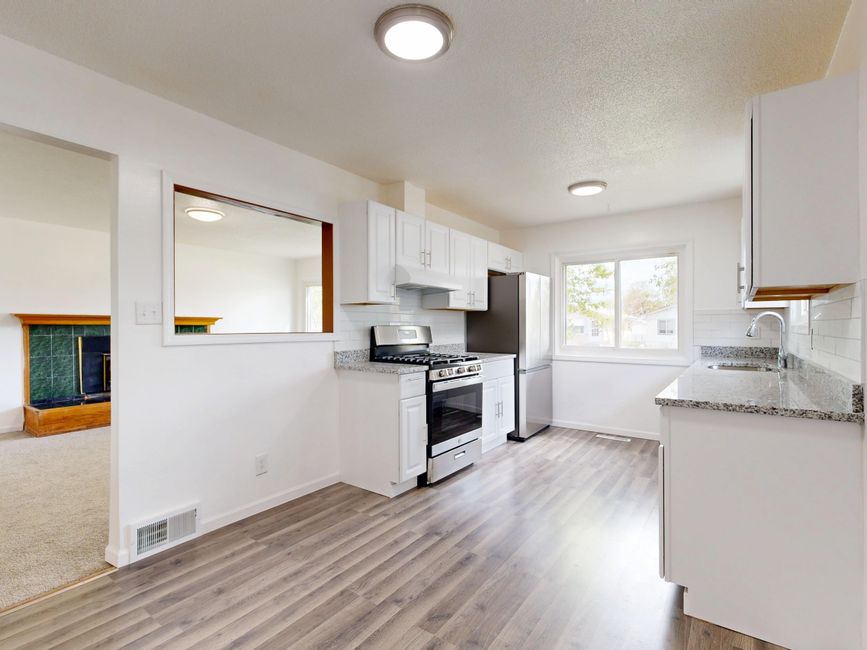
- Kitchen Remodeling: A full kitchen remodel can be one of the most complex and costly projects. While specific cost data for full kitchen remodels was not universally provided in our research, HomeAdvisor lists the national median price for a bathroom remodel starting from $2,500, which can serve as a lower-bound reference for smaller kitchen updates. Comprehensive kitchen projects, involving layout changes, new cabinetry, countertops, appliances, and flooring, can take anywhere from 6 to 12 weeks, with significant custom work extending this timeframe. Costs can range from $15,000 for minor updates to well over $50,000 for high-end, custom designs.
- Bathroom Renovations: Bathroom remodels are popular for their return on investment and impact on daily life. HomeAdvisor reports a national median price for bathroom remodels starting from $2,500. More extensive renovations, including reconfiguring layouts, installing new showers, tubs, vanities, and tiling, can take 3 to 5 weeks for a high-end project, as noted by some contractors. Costs can range from a few thousand for a cosmetic update to $20,000+ for a complete overhaul.
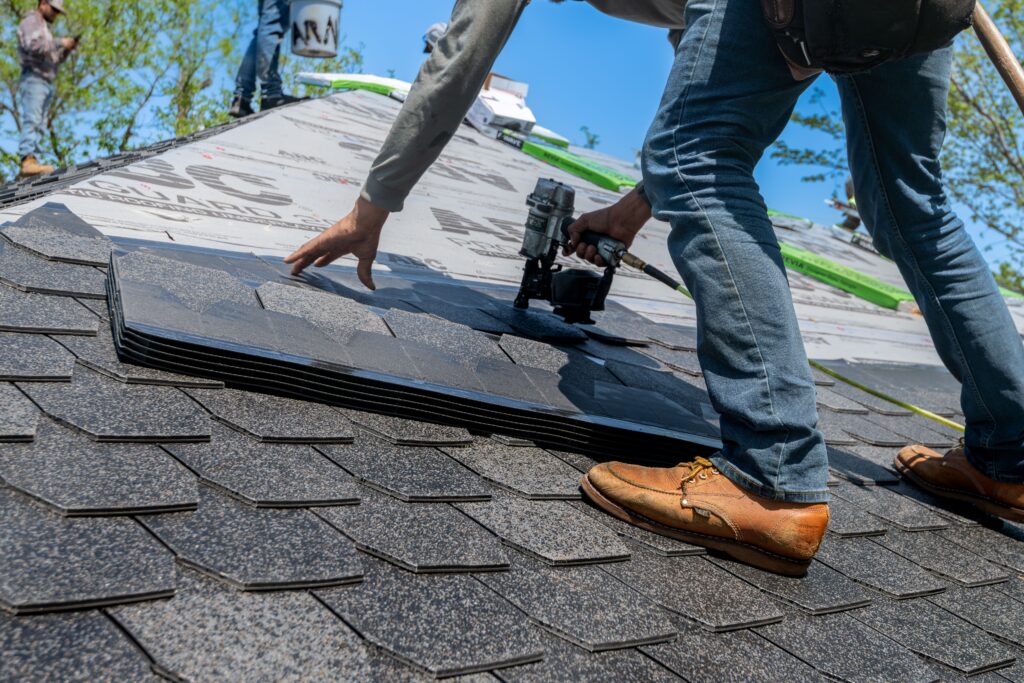
- Roofing: Roof repair is a common necessity, with HomeAdvisor reporting a national median price starting from $594. For full roof installation and replacement, the median price starts from $471, though this is likely a per-square-foot or smaller repair estimate. A complete roof replacement for an average-sized home can cost between $5,000 and $20,000, depending on the material (asphalt, metal, tile) and complexity. The timeline for a full replacement is typically 3 to 7 days, weather permitting.
- Flooring: Flooring installation costs vary significantly by material (hardwood, laminate, tile, carpet). Hardwood installation can range from $6 to $12 per square foot, while luxury vinyl tile is often $3 to $7 per square foot. The timeline depends on the area size and material, usually taking 2 to 5 days for a single room.
- Deck and Porch Projects: HomeAdvisor reports the national median price for deck and porch projects starting from $1,890. This can range from minor repairs to entirely new constructions, with costs easily exceeding $10,000 for larger, more elaborate designs. Construction can take from a few days to several weeks.
These are general estimates. Factors like the quality of materials, the complexity of the design, regional labor rates, and unexpected issues (e.g., discovering wood rot or outdated wiring) can all influence the final cost and timeline. Professional contractors typically provide close estimates of completion dates, with projects often starting 1-2 weeks after a finalized quote is signed.
The Consultation and Quoting Process
Engaging with a home improvement contractor typically begins with a consultation and progresses to a detailed quoting process. This phase is critical for establishing clear expectations, understanding the project scope, and ensuring financial transparency.
1. Initial Contact and Consultation: Homeowners usually initiate contact by requesting a free estimate or consultation, often through a website form, phone call, or text message. During the initial discussion, the contractor will want to understand:
- Project Scope: What exactly do you want to achieve? Is it a full remodel, minor updates, or specific repairs? Consider whether custom fixtures or planning for tricky spaces is needed.
- Budget: Providing a realistic budget range is crucial. This allows the contractor to suggest appropriate materials and designs that maximize value within your financial parameters, whether it’s hundreds or hundreds of thousands of dollars.
- Timeline: What is your desired timeframe for completion? Contractors will provide an estimated start and completion date, helping to align expectations.
Many contractors offer an initial free professional consultation, sometimes even encouraging visits to their design showrooms (like an 800 sq ft showroom in Gaithersburg) to explore material options firsthand.
2. Detailed Assessment and Design: For larger projects, the contractor may conduct a thorough on-site assessment, taking measurements, noting existing conditions, and discussing design preferences in detail. Some companies offer advanced tools like 3D renderings, allowing homeowners to visualize their remodeled space before construction begins. This step helps refine the project and ensures all parties are on the same page.
3. Quoting and Proposal: Following the assessment, the contractor will prepare a detailed quote or proposal. This document should clearly outline:
- Scope of Work: A comprehensive list of all tasks to be performed.
- Material Specifications: Details on the types and quantities of materials to be used.
- Cost Breakdown: A transparent breakdown of labor, materials, and any other associated fees.
- Payment Schedule: Typical payment processes involve an upfront deposit (often 10-30% of the total project cost) to secure materials and schedule the work, with subsequent payments tied to project milestones.
- Timeline: Estimated start and completion dates.
- Terms and Conditions: Including warranty information, insurance details, and cancellation policies.
Contractors often aim to provide quotes within a short timeframe, such as 24-48 hours for smaller jobs. Homeowners should review the quote carefully, ask questions, and ensure all aspects of the project are clearly documented before signing. A transparent and detailed quoting process is a hallmark of a reputable contractor.
Licensing, Insurance, and Guarantees
When entrusting your home improvement project to a professional, verifying their credentials and understanding the protections in place is paramount. Licensing, insurance, and guarantees offer crucial safeguards for homeowners.
1. Licensing: A general contractor’s license signifies that they have met specific state or local requirements regarding experience, knowledge, and financial stability. For instance, being a CA Licensed General Contractor means they adhere to stringent industry standards. Licensing ensures that the contractor is legally permitted to perform work in your area and has demonstrated a baseline level of competence. Always verify a contractor’s license through the appropriate state or local regulatory body.
2. Insurance: Reputable contractors carry two primary types of insurance:
- General Liability Insurance: This protects you from claims of property damage or bodily injury that may occur during the project. For example, if a worker accidentally damages your property or a passerby is injured on your construction site, the contractor’s liability insurance would cover the costs.
- Worker’s Compensation Insurance: This covers medical expenses and lost wages for workers who are injured on the job. If a contractor does not have this, you could potentially be held liable for injuries sustained by uninsured workers on your property.
Additionally, contractors may be bonded, which provides a financial guarantee that the contractor will complete the work as per the contract and pay their subcontractors and suppliers. This offers an extra layer of protection against incomplete work or financial disputes.
3. Guarantees and Warranties: Many contractors offer guarantees on their craftsmanship, promising to correct any defects in their work for a specified period after project completion. This demonstrates confidence in their quality and provides peace of mind.
Platforms like Angi offer additional layers of protection. When you book services through Angi, you’re often covered by the Angi Happiness Guarantee. This guarantee ensures that Angi will cover your service up to the full purchase price and provide limited damage protection. This means that if you’re not satisfied with the quality of the service, Angi’s customer support team is available 24/7 to assist with rescheduling, cancellations, or resolving issues, and they stand by the quality of their vetted professionals. This partnership model, such as that seen with major retailers, provides a convenient way to book services with an added layer of assurance.
By prioritizing contractors who are licensed, insured, and offer clear guarantees, homeowners can significantly mitigate risks and ensure their home improvement projects are completed professionally and to their satisfaction.
Frequently Asked Questions About Home Improvement Services
Navigating home improvement can bring up many questions. Here, we address some of the most common inquiries homeowners have when planning their projects.
What is the difference between a general contractor and a handyman?
The primary difference lies in the scope and complexity of the work they typically undertake.
A general contractor is usually licensed and equipped to manage larger, more complex projects that often involve multiple trades (like plumbing, electrical, carpentry, and masonry). They oversee the entire project, from securing permits and coordinating subcontractors to managing budgets and timelines. General contractors are ideal for major renovations such as kitchen or bathroom remodels, room additions, basement finishing, or significant structural changes. They provide a single point of contact for the homeowner and offer comprehensive contracts, warranties, and insurance for substantial investments.
A handyman (or handyperson) specializes in smaller repairs, maintenance tasks, and minor installations. They are skilled in a variety of odd jobs around the house that do not require extensive planning, permits, or the coordination of multiple specialized trades. Examples include fixing a leaky faucet, hanging shelves, assembling furniture, patching drywall, or performing minor fence repairs. Handymen are a cost-effective solution for small projects and quick fixes, but they typically do not take on large-scale renovations or projects that alter the home’s structure.
How can homeowners finance large-scale Home Improvement Services?
Financing major home improvement projects often requires careful planning, as costs can quickly accumulate. Several options are available to homeowners in July 2026:
- Home Equity Loan: This is a lump-sum loan based on the equity you’ve built in your home. It typically has a fixed interest rate and repayment schedule, making it predictable.
- Home Equity Line of Credit (HELOC): Similar to a credit card, a HELOC allows you to borrow funds as needed, up to a certain limit, against your home’s equity. It often has a variable interest rate and a draw period followed by a repayment period.
- Cash-Out Refinance: This involves replacing your current mortgage with a new, larger one, and taking the difference in cash. This can be a good option if interest rates are favorable, but it restarts your mortgage term.
- Personal Loan: An unsecured loan that doesn’t require collateral. While interest rates might be higher than equity-based loans, they offer quick access to funds and don’t put your home at risk.
- Contractor Financing: Many contractors partner with financial institutions to offer financing options directly to clients, sometimes with promotional interest rates.
- Savings: Using personal savings is often the most cost-effective method as it avoids interest payments.
Before committing to any financing option, we recommend consulting with a financial advisor to determine the best fit for your personal financial situation and project needs.
What resources are available for learning DIY home maintenance?
For homeowners interested in taking a more hands-on approach to home maintenance and minor improvements, a wealth of resources and educational opportunities exist:
- Homeowner Self-Help Services: Organizations like Home Repair Services often provide programs specifically designed to empower homeowners. These can include home inspections that teach you what to look for, hands-on workshops on various topics, and even guidance for specific projects like kitchen remodeling.
- Workshops and Seminars: Many local hardware stores, community colleges, and non-profit organizations offer workshops on topics ranging from basic plumbing and electrical repairs to gardening and carpentry. These provide practical skills and confidence.
- “Lunch & Learn” Tours: Some organizations offer educational tours or sessions, like “Lunch & Learn Tours,” which provide a deeper look at available homeowner resources, best practices for home maintenance, and insights into various home improvement processes. These can be excellent networking opportunities as well.
- Online Resources: The internet is a vast library of DIY information, with countless blogs, video tutorials, and forums dedicated to home improvement. While useful, it’s crucial to verify the credibility of online sources and always prioritize safety.
- Books and Magazines: Traditional print resources still offer comprehensive guides and project ideas, often with detailed step-by-step instructions.
Engaging with these resources can not only save you money on minor repairs but also provide a deeper understanding of your home’s systems, helping you make more informed decisions when professional help is needed.
Conclusion
As we’ve explored, home improvement services in July 2026 are more diverse and sophisticated than ever, offering solutions for every aspect of property enhancement. From foundational structural work to advanced energy management systems, investing in your home’s infrastructure and aesthetics is key to its long-term value, functionality, and your family’s comfort.
Making informed decisions starts with understanding the various services available, knowing when to engage a professional contractor versus a handyman, and being aware of the crucial protections offered by licensing, insurance, and guarantees. For those needing assistance, vital programs exist to support vulnerable homeowners, ensuring that essential repairs and accessibility modifications are within reach.
Whether you’re planning a major kitchen remodel, upgrading to efficient Home power control services, or simply addressing a leaky faucet with expert home plumbing services, the journey of home improvement is about creating a space that truly serves your needs and reflects your vision. By leveraging available resources, understanding costs and timelines, and partnering with reputable professionals, you can confidently navigate your next home improvement project, ensuring your property remains a valuable asset for years to come.
