

Zepbound (tirzepatide) is an FDA-approved, once-weekly injectable prescription medication for chronic weight management in adults with obesity (BMI ≥30) or overweight (BMI ≥27) with at least one weight-related condition. Manufactured by Lilly, it is also approved for moderate-to-severe obstructive sleep apnea (OSA) in adults with obesity. In the pivotal SURMOUNT trials, participants at the 15 mg dose lost an average of 20.9% of their body weight over 72 weeks. The tradeoffs are real, though: GI side effects are common during titration, and out-of-pocket costs in the U.S. can range from near zero with good commercial insurance to well over $1,000 per month for cash payers.
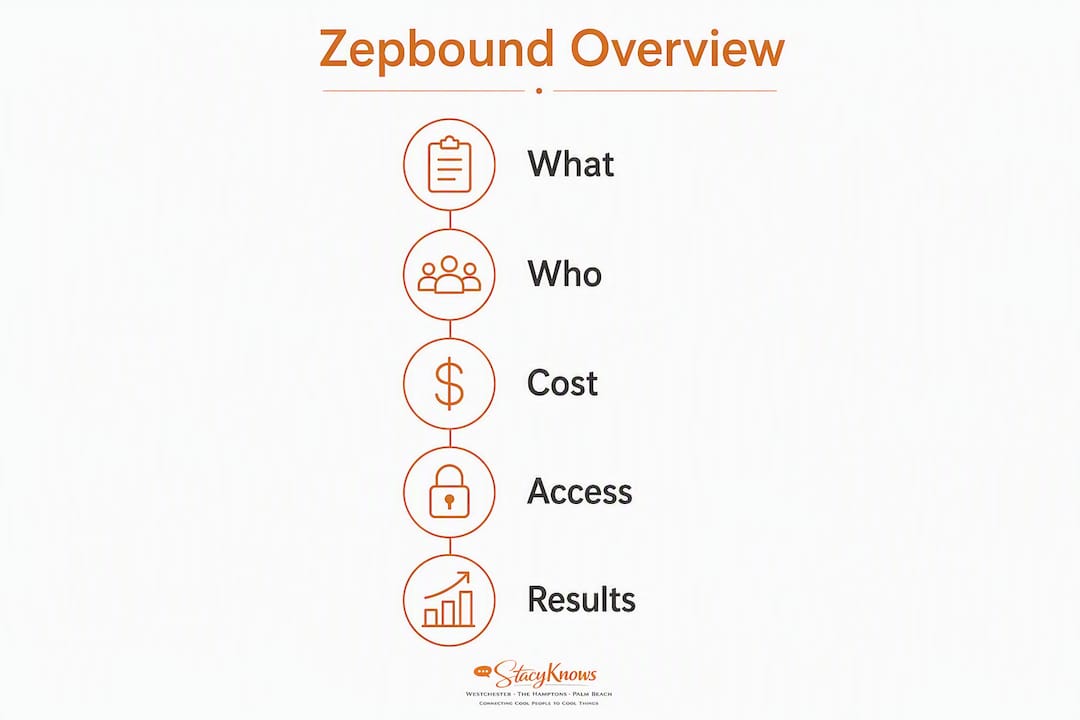
Quick essentials:
- Who qualifies: Adults with BMI ≥30, or BMI ≥27 with a weight-related condition such as high blood pressure, type 2 diabetes, or high cholesterol.
- How it works: Once-weekly subcutaneous injection; starting dose is 2.5 mg, with stepwise increases up to 15 mg.
- What to expect: Average body weight loss at 15 mg over 72 weeks in trials is about 20.9%; nausea and GI discomfort are the most common early side effects.
- Access paths: Primary care or specialist clinic, telehealth platforms, or LillyDirect for self-pay vials; insurance prior authorization is often required.
What Zepbound (tirzepatide) is and how it works
Tirzepatide, sold under the brand name Zepbound for weight management, belongs to a drug class called dual GIP and GLP-1 receptor agonists. GIP stands for glucose-dependent insulinotropic polypeptide; GLP-1 stands for glucagon-like peptide-1. Both are hormones your gut naturally releases after eating. Lilly engineered tirzepatide to activate both receptors simultaneously, which is what sets it apart from older weight-loss medications that target only one pathway.
When both receptors are activated, several things happen at once. Appetite signals in the brain are suppressed, the stomach empties more slowly (so you feel full longer), and insulin release is stimulated in a glucose-dependent way. The result is a stronger and more sustained reduction in hunger than GLP-1-only agents typically produce. That dual action is also the main reason some patients experience more pronounced GI effects during the early weeks of treatment.
For a broader look at how GLP-1 drugs as a class work and what they mean for everyday life, Stacyknows covers the full GLP-1 picture in a separate guide worth reading alongside this one.
How the mechanism connects to real outcomes:
- Reduced appetite and increased satiety drive the calorie deficit that produces weight loss.
- Slowed gastric emptying improves post-meal blood sugar control, which is why tirzepatide also lowers A1c in people with type 2 diabetes.
- The glucose-dependent insulin effect means hypoglycemia risk is low on tirzepatide alone, but rises when combined with insulin or sulfonylureas.
- Because gastric emptying slows, some oral medications may be absorbed differently, which requires a conversation with your prescriber about timing.
Pro Tip: If you notice nausea peaking in the first two weeks after a dose increase, that is the mechanism at work, not a sign something is wrong. Most patients find it eases significantly by week three or four at the new dose.
Who qualifies for Zepbound and who should not take it
The FDA-approved indications are specific. Zepbound is indicated for chronic weight management in adults with a BMI of 30 kg/m² or higher, or a BMI of 27 kg/m² or higher when at least one weight-related condition is present. Weight-related conditions that typically count include type 2 diabetes, hypertension, dyslipidemia, obstructive sleep apnea, and cardiovascular disease. The OSA indication covers moderate-to-severe cases in adults with obesity, making Zepbound one of the few weight-loss medications with a secondary approved use beyond the scale.
Clinicians typically look for documented weight history, prior attempts at lifestyle-based weight loss, and a clear record of qualifying comorbidities. Insurers often require the same documentation before approving coverage, so gathering that information before your first appointment saves time.
Absolute contraindications and serious warnings:
- Personal or family history of medullary thyroid carcinoma (MTC) or Multiple Endocrine Neoplasia syndrome type 2 (MEN 2): Zepbound carries a boxed warning based on rodent data showing thyroid C-cell tumors; it is contraindicated in anyone with this history.
- Known serious hypersensitivity to tirzepatide or any component of the formulation.
- Pregnancy: Weight-loss medication is not appropriate during pregnancy; use effective contraception and discuss plans with your clinician.
- Severe gastroparesis: Slowing gastric emptying further in someone who already has significantly delayed emptying can cause serious complications.
Important warnings to know before starting:
- Pancreatitis: discontinue if severe abdominal pain develops, especially pain radiating to the back.
- Gallbladder disease: rapid weight loss increases gallstone risk; report right-sided upper abdominal pain.
- Hypoglycemia: risk increases when tirzepatide is combined with insulin or a sulfonylurea.
- Dehydration from vomiting or diarrhea can stress the kidneys, especially in people already on diuretics or ACE inhibitors.
Seek immediate medical attention if you experience: severe and persistent abdominal pain, signs of a thyroid lump or hoarseness that does not resolve, symptoms of a serious allergic reaction (swelling of the face, lips, or throat, difficulty breathing), or signs of severe dehydration (dizziness, very dark urine, inability to keep fluids down).
Pro Tip: Bring a printed list of all current medications and supplements to your first appointment. Contraindication screening is faster and more thorough when your prescriber has the full picture in hand.
What the clinical trials showed and how to interpret the results
The SURMOUNT trial program is the primary evidence base for Zepbound’s efficacy. SURMOUNT-1 enrolled adults with obesity or overweight without type 2 diabetes and ran for 72 weeks. Participants received diet and exercise counseling throughout, which is an important detail: trial results reflect medication plus lifestyle support, not medication alone.
The headline number: Participants receiving tirzepatide at the 15 mg dose lost an average of 20.9% of their body weight over 72 weeks in the SURMOUNT program. At 10 mg, average losses were also substantial, though somewhat lower. These are mean results across a trial population; individual outcomes vary based on starting weight, adherence, dose reached, and lifestyle factors.
What does “clinically meaningful” weight loss actually mean? A 5–10% reduction in body weight is the threshold at which most weight-related health markers, including blood pressure, blood sugar, and cholesterol, begin to improve. A 20% average loss in a trial population is well above that threshold, which is why clinicians and researchers describe tirzepatide’s efficacy as a step change compared with earlier pharmacological options.
Key trial context points:
- Participants were adults without type 2 diabetes in SURMOUNT-1; other SURMOUNT arms studied people with diabetes and other conditions.
- All participants received reduced-calorie diet guidance and increased physical activity counseling alongside the medication.
- The 72-week timeline means most patients had been on a maintenance dose for many months before the final weight measurement.
- Individual results ranged widely: some participants lost considerably more than the average, others less. The mean is a useful benchmark, not a guarantee.
- Weight regain after stopping tirzepatide has been documented in follow-up studies, reinforcing that this is a long-term treatment, not a short course.
Dosing, titration, and how to inject and store Zepbound
The standard titration schedule exists for one reason: it dramatically reduces the severity of GI side effects. Starting low and increasing slowly gives your body time to adapt to slowed gastric emptying. Skipping steps or rushing increases is one of the most common reasons patients struggle with nausea.
Standard titration schedule
| Phase | Dose | Duration |
|---|---|---|
| Starting dose | 2.5 mg once weekly | 4 weeks minimum |
| First increase | 5 mg once weekly | 4 weeks minimum |
| Second increase | 7.5 mg once weekly | 4 weeks minimum |
| Third increase | 10 mg once weekly | 4 weeks minimum |
| Fourth increase | 15 mg once weekly | 4 weeks minimum |
| Maximum dose | 15 mg once weekly | Ongoing maintenance |
The 2.5 mg dose is a starting dose only, not a therapeutic maintenance dose. Most patients reach their maintenance dose somewhere between 5 mg and 15 mg depending on tolerability and response. Dose increases happen no sooner than every four weeks, and clinicians often slow the schedule further when a patient reports persistent nausea at a given level.
Injection and storage basics:
- Inject subcutaneously into the abdomen, upper arm, or thigh; rotate sites each week to avoid skin irritation.
- Inject on the same day each week; if you need to shift the day, it is acceptable as long as the gap between doses is at least three days.
- Zepbound comes as a single-dose pen (KwikPen) or vials; store in the refrigerator at 36°F–46°F (2°C–8°C) and protect from light.
- If refrigeration is temporarily unavailable, the pen or vial can be kept at room temperature (up to 86°F / 30°C) for up to 21 days.
- Never freeze Zepbound; a frozen pen or vial should be discarded.
- Inspect the solution before injecting: it should be clear to slightly yellow with no particles.
Missed dose: If you miss a dose and your next scheduled dose is more than four days away, inject as soon as you remember. If the next dose is within four days, skip the missed dose and resume your regular schedule. Never inject two doses to make up for a missed one. If you are unsure, call your clinician or pharmacist.
Common side effects, serious warnings, and how to manage them
Most people starting Zepbound experience some GI discomfort, especially in the first two to four weeks after each dose increase. Nausea, diarrhea, vomiting, and constipation are the most frequently reported side effects. For many patients, these symptoms are manageable and fade as the body adjusts. For some, they are significant enough to slow the titration schedule.
The pattern is predictable: symptoms tend to peak in the first week or two at a new dose and then ease. Knowing that rhythm in advance makes it easier to push through rather than assume something has gone wrong.
Practical management strategies:
- Eat smaller, more frequent meals rather than large ones; fatty or spicy foods tend to worsen nausea.
- Stay well hydrated, especially if experiencing diarrhea or vomiting.
- Ginger tea, ginger chews, or over-the-counter anti-nausea options (ask your clinician first) can take the edge off early nausea.
- Injecting in the evening means peak side effects often occur overnight when you are asleep.
- Increase dietary fiber gradually if constipation is the main issue; sudden large increases can worsen bloating.
- If symptoms are severe or persistent, contact your clinician before the next scheduled dose increase. Staying at the current dose longer is always an option.
Serious but less common risks:
Boxed warning: Zepbound carries an FDA boxed warning for thyroid C-cell tumors based on animal studies. The full prescribing information (USPI on DailyMed) details this warning and all contraindications. It is contraindicated in anyone with a personal or family history of medullary thyroid carcinoma or MEN 2. Whether this risk applies to humans at clinical doses is not yet established, but the warning exists because the signal appeared in rodent studies.
Additional serious risks include acute pancreatitis, gallbladder disease (including gallstones and cholecystitis), hypoglycemia when combined with insulin or sulfonylureas, and acute kidney injury from dehydration. Vision changes have also been reported in people with diabetic retinopathy. These are not common, but they are serious enough to warrant prompt medical evaluation if they occur.
Drug interactions and monitoring your clinician will likely order
The gastric-emptying effect of tirzepatide is clinically important beyond just nausea. When the stomach empties more slowly, oral medications that depend on rapid absorption can reach the bloodstream later or at lower peak concentrations. This does not affect all drugs equally, but it is worth discussing with your prescriber for any time-sensitive medication.
Oral contraceptives are one category where timing matters. Some clinicians recommend switching to a non-oral contraceptive method or using a backup method for at least four weeks after starting Zepbound and for four weeks after each dose increase, as absorption reliability may be reduced during those windows. Certain antibiotics that require consistent blood levels are another category worth flagging.
Medications that require particular attention:
- Insulin and sulfonylureas: Combining these with tirzepatide raises hypoglycemia risk. Dose reductions of the insulin or sulfonylurea are often needed when starting tirzepatide.
- Oral contraceptives: Absorption may be affected; discuss backup contraception with your clinician.
- Warfarin and other narrow-therapeutic-index drugs: Monitor more closely when starting or changing tirzepatide doses.
- Any medication where timing of absorption is critical: Ask your pharmacist to review your full medication list.
Monitoring your clinician will typically arrange:
- Baseline weight, BMI, blood pressure, and fasting glucose or A1c (especially if you have diabetes or prediabetes).
- Kidney function if you are at risk for dehydration-related complications.
- Thyroid history review and documentation before prescribing.
- Pregnancy test and contraception discussion for people of childbearing potential.
- Follow-up appointments at 4–8 week intervals during titration, then less frequently once stable.
Pro Tip: Bring a complete medication list, including vitamins and supplements, to every appointment. Also note the time of day you take each medication. That detail helps your clinician flag any absorption timing issues before they become a problem.
Checklist to bring to your first appointment:
- Full medication and supplement list with doses and timing.
- Weight history for the past 2–5 years, including any documented prior weight-loss program attempts.
- Records of any obesity-related conditions (blood pressure readings, A1c results, sleep study results if relevant).
- Pregnancy intentions or current contraception method.
- Any personal or family history of thyroid cancer or MEN 2.
What Zepbound costs in the U.S. and how to lower your bill
Cost is, honestly, one of the most complicated parts of this medication. The list price runs approximately $1,086 per month, but that number tells only part of the story. What you actually pay depends heavily on your insurance plan, your income, and which access program you qualify for.

Commercially insured patients with a plan that covers Zepbound and who use Lilly’s savings card can sometimes pay as little as $0–$25 per month. Cash payers without any assistance program face a very different reality, often $500–$1,400 or more per month depending on dose and pharmacy. Medicare generally does not cover GLP-1 medications for obesity alone, though coverage for the OSA indication may differ; check your specific plan.
LillyDirect, Lilly’s direct-to-patient program, offers self-pay vials at reduced prices for eligible patients. Published summaries have cited roughly $349–$499 for certain vial options through this channel, which represents a meaningful reduction from list price for people who do not have insurance coverage. The programs that have expanded access to newer medications have changed how patients can reach drugs like this one, and LillyDirect is a good example of that shift.
Steps to improve your chances of coverage:
- Confirm your plan’s formulary status for Zepbound before your appointment; call the member services number on your insurance card.
- Ask your clinician to document your BMI, qualifying comorbidities, and any prior weight-loss program attempts in the prior authorization request.
- Request a Lilly savings card at the time of prescribing; your clinician’s office or the Lilly website can provide one.
- If denied, ask your clinician about a formal appeal; prior authorization denials are overturned more often than patients expect when documentation is thorough.
- Explore patient assistance programs through Lilly if your income qualifies; these are separate from the savings card and designed for uninsured or underinsured patients.
Cost reality check: Out-of-pocket cost varies dramatically. List price is only part of the story. Manufacturer savings programs, insurer formularies, and self-pay vial programs determine what you actually pay. Do not assume the list price is your price until you have checked all three pathways.
How to get a Zepbound prescription: clinics, telehealth, and prior authorization
Getting a prescription is more straightforward than many people expect, but preparation makes a real difference, especially if insurance coverage is part of the plan.
Step-by-step: preparing for your first visit
- Gather your weight history. Document your current weight and BMI, and note any significant weight changes over the past two to five years. If you have records from prior weight-loss programs, diet plans, or medically supervised attempts, bring those.
- List your qualifying conditions. Pull recent lab results, blood pressure readings, or any sleep study documentation that confirms an obesity-related condition. Insurers and clinicians both want this on record.
- Prepare your medication list. Include everything: prescriptions, over-the-counter drugs, vitamins, and supplements.
- Know your contraception status. If you are of childbearing potential, be ready to discuss current contraception and future pregnancy plans.
- Book with the right provider. Primary care physicians, internists, endocrinologists, and obesity medicine specialists can all prescribe Zepbound. If your primary care provider is not comfortable prescribing GLP-1 medications, ask for a referral to an obesity medicine specialist.
Telehealth options
Telehealth platforms have made GLP-1 prescribing significantly more accessible. Many require a short intake questionnaire, a video or asynchronous consultation, and basic health documentation (weight, BMI, relevant conditions). The prescription is then sent to a pharmacy of your choice or fulfilled through the platform’s partner pharmacy.

One important caution: verify that the telehealth platform is prescribing brand-name Zepbound (tirzepatide) and not a compounded version. Compounded tirzepatide is not FDA-approved and does not carry the same safety and quality standards as the branded medication.
Prior authorization tips
Insurance prior authorization for Zepbound commonly requires BMI documentation, evidence of at least one qualifying comorbidity, and records of prior weight-loss attempts. Having organized records of prior program participation, whether a structured diet program, medically supervised plan, or documented counseling, shortens approval time. Your clinician’s office handles the submission, but you can help by providing thorough documentation upfront.
Pro Tip: Ask your clinician’s office specifically whether they have experience with GLP-1 prior authorizations. Offices that submit these regularly know which insurer-specific documentation gaps cause delays and can front-load the paperwork accordingly.
When a specialist referral makes sense:
- Your primary care provider is unfamiliar with GLP-1 titration protocols.
- You have complex diabetes management needs alongside weight loss.
- You have a history of pancreatitis, thyroid disease, or other conditions that require specialist oversight.
- Prior authorization has been denied and you need specialist documentation to support an appeal.
How Zepbound compares with Wegovy and Ozempic
Zepbound (tirzepatide), Wegovy (semaglutide for weight management), and Ozempic (semaglutide for type 2 diabetes) are the three names that come up most often in conversations about injectable weight-loss and diabetes medications. They are related but distinct, and the differences matter for both clinical outcomes and practical access.
| Feature | Zepbound (tirzepatide) | Wegovy (semaglutide) | Ozempic (semaglutide) |
|---|---|---|---|
| Mechanism | Dual GIP + GLP-1 agonist | GLP-1 agonist only | GLP-1 agonist only |
| FDA-approved indications | Chronic weight management; moderate-to-severe OSA in adults with obesity | Chronic weight management | Type 2 diabetes management |
| Average trial weight loss | ~20.9% at 15 mg (SURMOUNT) | — | Not primarily a weight-loss indication |
| Dosing schedule | Weekly; 2.5 mg start, up to 15 mg | Weekly; 2.5 mg start, up to 15 mg | Weekly; 2.5 mg start, up to 15 mg |
| Common side effects | Nausea, diarrhea, vomiting, constipation | Nausea, diarrhea, vomiting, constipation | Nausea, diarrhea, vomiting, constipation |
| Typical cost/coverage | ~$1,086/month list; variable with insurance | Similar list price range; variable coverage | Often covered for diabetes; less so off-label for weight |
The dual GIP+GLP-1 mechanism is the main reason Zepbound’s average trial weight loss generally exceeds Wegovy’s. Activating both receptors produces stronger appetite suppression than GLP-1 activation alone, which is reflected in the SURMOUNT versus STEP trial comparisons. That said, these were separate trials with different populations, so a head-to-head interpretation requires some caution.
Side-effect profiles are broadly similar across both drugs because GI effects are driven largely by the GLP-1 pathway that both share. Some patients report that one feels more tolerable than the other, but there is no consistent clinical evidence that one is universally gentler.
Ozempic is approved for type 2 diabetes, not weight management, though clinicians sometimes prescribe it off-label for weight loss. If weight management is the primary goal, Zepbound or Wegovy are the on-label choices. For people who need both diabetes management and weight loss, the conversation with a clinician becomes more nuanced.
Practical takeaways for your clinician conversation:
- Brand choice is often driven by insurance formulary, not by a universal efficacy ranking. Ask which medication your plan covers before assuming one is better for you.
- If you have type 2 diabetes and need weight loss, Zepbound is approved for both goals simultaneously.
- If you have moderate-to-severe OSA with obesity, Zepbound is currently the only option with an FDA indication for that specific combination.
- All three medications require long-term use to maintain results; stopping any of them tends to result in partial weight regain.
For more on how GLP-1 medications are changing everyday life and relationships, this Stacyknows piece on the social side of GLP-1 use captures what the clinical trials do not measure.
What to expect in the first weeks, months, and beyond
One of the most common questions people ask is: how soon will I notice something? The honest answer is that the timeline has two phases, and conflating them leads to unnecessary frustration.
Timeline of typical changes:
- Weeks 1–2: Many patients notice reduced appetite and earlier satiety, even at the 2.5 mg starting dose. This is often the first signal that the medication is working. Weight change at this stage is usually minimal.
- Weeks 4–8: As the dose increases toward therapeutic levels, appetite suppression becomes more consistent. Measurable weight changes typically appear by 8–12 weeks at therapeutic doses for most patients.
- Months 3–6: This is when most patients see the most noticeable month-to-month weight change, assuming they are progressing through the titration schedule and maintaining dietary changes.
- Months 6–18: Trial data shows maximum effects occurring in this window. Weight loss tends to plateau as the body reaches a new equilibrium at the maintenance dose.
- Beyond 18 months: Maintenance becomes the focus. Continuing the medication, paired with lifestyle habits, is what sustains the result.
At three months, most patients are somewhere in the 7.5 mg–10 mg range if titration has gone smoothly. Average weight loss at that point varies, but it is typically well below the 72-week trial endpoint. Setting a three-month expectation of “meaningful progress, not final result” is more realistic and more motivating than comparing early results to the headline trial number.
Factors that influence speed include the dose you have reached, how closely you are following dietary guidance, your activity level, and individual biology. Some people respond strongly at lower doses; others need to reach 15 mg before seeing significant movement. Neither pattern means the medication is not working.
Pairing Zepbound with real lifestyle changes is not optional if you want lasting results. Sustainable weight-loss strategies that focus on nutrition quality, movement, and sleep work synergistically with the medication’s appetite effects. The medication quiets the noise of hunger; what you do with that quiet space matters. For readers also managing sleep issues, research on fasting and sleep quality offers useful context on how dietary patterns interact with rest, which is especially relevant for those on Zepbound for OSA.
The real tradeoff no one talks about enough
There is a version of the Zepbound conversation that focuses entirely on the 20.9% average weight-loss figure from trials and stops there. That number is real and it is impressive. But the full picture is more nuanced, and readers deserve to hear it plainly.
Zepbound is not a short course of treatment. Stopping the medication typically results in partial weight regain, which means the commitment is long-term, both medically and financially. For someone without commercial insurance coverage, that is a significant ongoing cost. For someone with coverage today, it is worth asking what happens if that coverage changes.
The titration period is genuinely uncomfortable for many people. Not unbearably so, but the nausea and GI disruption during dose increases are not trivial. Patients who go in expecting a smooth ride sometimes abandon the medication in the first six weeks, right before the side effects would have eased. Knowing that the discomfort is temporary and predictable changes how you experience it.
What I find most worth emphasizing is the lifestyle piece. The trials included diet and exercise counseling for every participant. The medication creates a window of reduced hunger; what you build inside that window, in terms of eating habits, movement, and sleep, is what determines whether the results last. Medication alone, without any behavioral change, produces results that are harder to sustain. That is not a criticism of anyone who struggles with that part. It is just the honest clinical picture.
If you are considering Zepbound, prepare your documentation, have a frank conversation with your clinician about cost and coverage, and go in with realistic expectations about the timeline. The evidence supports it as one of the most effective pharmacological tools available for weight management. Whether it is the right tool for you is a personal and medical decision, not a general one.
This article is general health information, not medical advice. Confirm current prescribing guidelines, coverage rules, and your individual eligibility with your clinician or a qualified healthcare provider.
Authoritative sources and where to read more
The sources below are the primary references for the clinical and regulatory information in this article. Each one serves a different purpose depending on what you need to verify.
- DailyMed USPI for Zepbound (tirzepatide): The full U.S. Prescribing Information, including the complete boxed warning, contraindications, dosing tables, and drug interaction guidance. This is the document clinicians use as the definitive safety reference.
- FDA press announcement: approval of Zepbound: The official FDA statement on the chronic weight management approval, including the indication language and the regulatory basis for approval.
- FDA label (accessdata.fda.gov): The most current approved label document, useful for confirming any label updates since the original approval.
- Lilly’s Zepbound patient site: Manufacturer-produced patient-facing information on mechanism, dosing highlights, and savings programs. Useful for savings card enrollment and LillyDirect program details.
- SURMOUNT trial registration (ClinicalTrials.gov): The registered protocol for the SURMOUNT-1 trial, including population criteria, endpoints, and study design.
- PMC peer-reviewed SURMOUNT analysis: A peer-reviewed publication covering SURMOUNT trial endpoints and clinical interpretation, useful for readers who want to go deeper into the statistical methodology.
- NEJM tirzepatide trial publication: New England Journal of Medicine publication on tirzepatide trial data; the highest-tier peer-reviewed source for efficacy endpoints.
Recommended
- I Got Sick Abroad With No Meds. Here’s What I Travel With Now. – Stacyknows
- St. Paul’s Real Estate Market in 2026: Opportunities and Insights – Stacyknows
- How to Turn Your Scrolling Habit Into Big Wins: The Secret World of Online Competitions – Stacyknows
- What Are Peptides? Benefits, Types, and Safe Use – Stacyknows
